

During adult cardiac arrest, rescuers should switch compressors every 2 minutes, or after about five cycles of 30 compressions and 2 breaths (30:2). Switch compressors earlier if the rescuer becomes too tired to maintain proper compression depth and rate. Changing compressors helps maintain the recommended compression depth, rate, and chest recoil while minimizing interruptions.
This guide explains why rescuers need to switch positions during CPR, how to coordinate role changes, and which common mistakes to avoid to maintain high-quality chest compressions.
Why Should Rescuers Switch Positions Every 2 Minutes During CPR?
Rescuers switch positions approximately every 2 minutes during adult CPR to maintain effective chest compressions and prevent fatigue from reducing compression quality. The 2025 American Heart Association (AHA) guidelines report that compression depth can begin to decline after approximately 90 to 120 seconds of CPR. Regular rotation allows another rescuer to take over and maintain effective chest compressions throughout resuscitation.
The four main reasons rescuers should switch positions every 2 minutes during adult CPR are:
1. Prevent Declining Compression Quality
Maintaining high-qulaity CPR during adult resuscitation requires consistent pressure and complete chest recoil. As fatigue develops, maintaining the recommended compression depth and allowing full chest recoil can become more difficult.
Switching positions gives another rescuer the opportunity to continue CPR with proper technique.
2. Reduce Physical Strain on Rescuers
Continuous chest compressions place physical demands on the arms, shoulders, back, and upper body. Performing this task for an extended period can lead to exhaustion, particularly during prolonged adult resuscitation.
Rotating every 2 minutes distributes the physical workload among available rescuers and gives each person time to recover.
3. Maintain the Recommended Compression Rate and Depth
Adult CPR requires a compression rate of 100 to 120 compressions per minute and a compression depth of at least 2 inches (5 cm), while avoiding depths greater than 2.4 inches (6 cm). As a rescuer becomes tired, maintaining the recommended pace and depth while allowing complete chest recoil can become challenging.
A timely change allows another rescuer to maintain the recommended compression rate and depth without relying on an exhausted team member.
4. Coordinate Resuscitation Team Responsibilities
During adult CPR, team members often manage additional responsibilities, including rescue breathing, AED operation, and monitoring the patient’s condition.
A planned rotation helps each rescuer take a turn performing chest compressions while another team member prepares to take over. It also helps prevent one person from carrying the physical demands of chest compressions throughout the emergency.
The compressor change should take place quickly, with minimal interruption to CPR.
When Is the Best Time to Switch Compressors During Two-Rescuer CPR?
Rescuers should look for natural opportunities to exchange roles without creating additional pauses in chest compressions. The following situations are appropriate for coordinating a compressor change:
- During AED Rhythm Analysis: When the AED begins analyzing the heart rhythm, rescuers can use this pause to switch positions, making sure no one touches the patient.
- After Delivering Rescue Breaths: In two-rescuer CPR, rescuers can switch roles after delivering the two rescue breaths if it is time for the scheduled compressor change.
- When the Current Compressor Becomes Fatigued: If the rescuer struggles to maintain proper technique, the second rescuer should take over as soon as possible.
- During Other Necessary CPR Pauses: Rescuers can coordinate the exchange during an unavoidable pause, such as one required for a rhythm check, rather than creating a separate interruption.
Important: The incoming compressor should be ready before the current rescuer stops. Never extend an AED analysis or rhythm check pause to complete a position change.
How to Switch Positions During Two-Rescuer CPR
During two-rescuer CPR, the compressor and the rescuer providing rescue breaths should coordinate their movements to exchange responsibilities quickly. Both rescuers need to prepare for the handoff, so the incoming compressor can take over with minimal interruption.
Step 1: Prepare the Incoming Compressor
The rescuer providing rescue breaths should prepare to take over chest compressions as the two-minute rotation approaches. They should move into a position that allows them to reach the patient’s chest quickly and be ready to place their hands correctly.
Step 2: Communicate Before the Switch
The current compressor or team leader announces the upcoming change using a clear verbal cue, such as “switch after these breaths.” This ensures both rescuers are ready to exchange roles at the same point in the CPR cycle.
Step 3: Complete the Current CPR Cycle
The current compressor completes the set of 30 chest compressions, followed by two rescue breaths from the second rescuer. The handoff should take place immediately after the breaths are delivered.
Step 4: Exchange Positions Within 5 Seconds
The incoming compressor moves to the patient’s chest and places their hands over the center of the chest. At the same time, the outgoing compressor moves toward the patient’s head to take over rescue breathing. Both rescuers should complete this exchange within 5 seconds whenever possible.
Step 5: Continue CPR in the New Roles
The incoming compressor immediately begins the next set of 30 chest compressions. The outgoing compressor prepares to deliver two rescue breaths after the compressions are completed. Both rescuers continue in their new roles until the next rotation is needed.
How Many Sets of Chest Compressions Should Be Completed Before Switching?
For adult CPR using a 30:2 compression-to-ventilation ratio, rescuers typically complete approximately five sets before switching compressors. Each set includes 30 chest compressions followed by two rescue breaths.
A standard set consists of:
- 30 chest compressions: Deliver compressions at a rate of 100 to 120 per minute, allowing full chest recoil.
- 2 rescue breaths: Give two breaths after completing the compressions.
- Repeat the sequence: Continue the 30:2 pattern until the compressor changes.
Five sets generally take about two minutes. This provides a practical point for rescuers to exchange positions while keeping interruptions in chest compressions as short as possible.
Guideline note: The 2025 AHA guidelines recommend changing compressors approximately every two minutes. Five sets of 30:2 CPR are an approximate equivalent, not a fixed requirement.
Should Rescuers Always Switch Positions Every 2 Minutes During CPR?
No. The 2-minute interval is a general guideline for rotating compressors rather than a strict requirement. The timing may vary depending on the rescuer’s physical condition and ability to maintain effective chest compressions. If fatigue begins to affect compression quality, the rescuers should switch roles sooner instead of waiting for the full 2 minutes.
What Signs Suggest an Earlier Position Change Is Needed?
An earlier position change may be needed if the current compressor shows signs of fatigue or struggles to maintain proper chest compression technique.
Watch for the following signs:
- Reduced compression depth: The rescuer can no longer consistently reach the recommended depth.
- Inconsistent compression rate: The rescuer struggles to maintain a steady rate of 100 to 120 compressions per minute.
- Incomplete chest recoil: The rescuer does not fully release pressure between compressions.
- Poor body positioning: The rescuer struggles to maintain proper hand placement or posture.
- Physical exhaustion: The rescuer reports fatigue or struggles to continue performing effective compressions.
If these signs appear, the other trained rescuer should take over as soon as possible rather than waiting for the scheduled rotation.
Is Compressor Switching Different for Adults, Infants, and Children?
No. The recommended compressor switching interval is approximately every two minutes for adults, infants, and children. Rescuers should coordinate the change during a rhythm assessment or AED analysis when possible to minimize interruptions in chest compressions.
Although the switching interval remains the same, the compression technique and ventilation ratio vary by age group. Adult CPR follows a 30:2 compression-to-ventilation ratio, while infant and child CPR uses a 30:2 ratio with one rescuer or a 15:2 ratio with two rescuers.
Common Mistakes to Avoid When Switching CPR Positions
Even trained rescuers can create unnecessary interruptions when they do not coordinate compressor changes properly.
Avoid these common mistakes:
- Waiting too long to switch: Do not wait until the compressor is physically exhausted or unable to maintain adequate depth.
- Stopping compressions too early: The incoming rescuer should be ready before the current compressor stops.
- Taking too long to change positions: Avoid extended pauses caused by unnecessary movement or discussion.
- Ignoring compression quality: Do not rely only on the elapsed time. Monitor depth, rate, and chest recoil.
- Interrupting AED instructions: Always follow the AED prompts and avoid touching the patient during rhythm analysis or shock delivery.
- Confusing role rotation with stopping CPR: Changing the compressor does not mean resuscitation should stop. Another rescuer should continue the procedure immediately.
Build Your CPR Skills with New York CPR Classes
Proper compressor rotation, consistent chest compressions, and minimal interruptions are essential parts of effective CPR. Rescuers must be able to coordinate their roles and maintain compression quality throughout resuscitation.
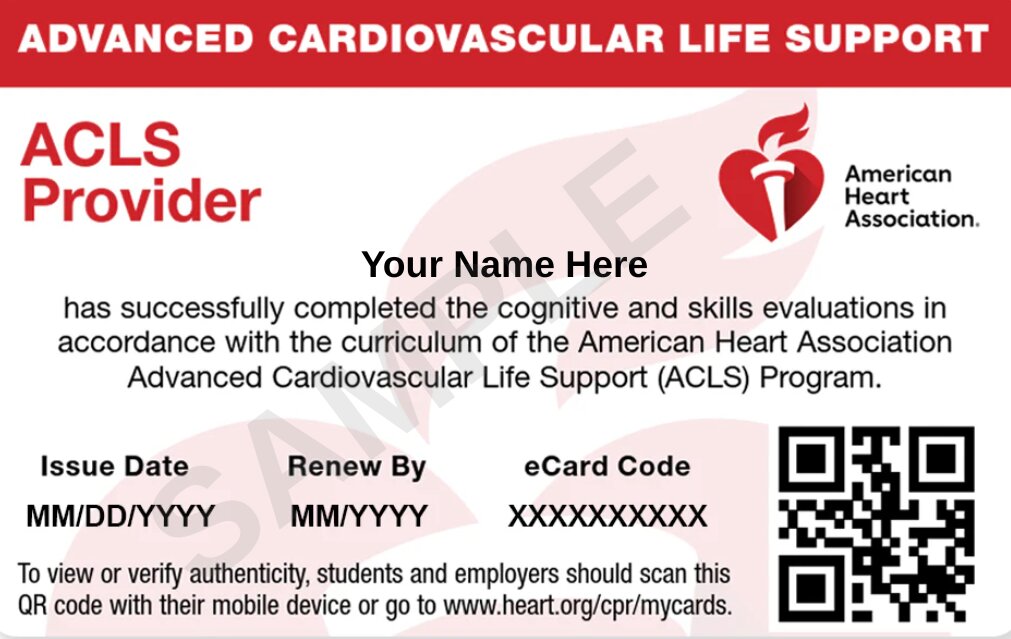
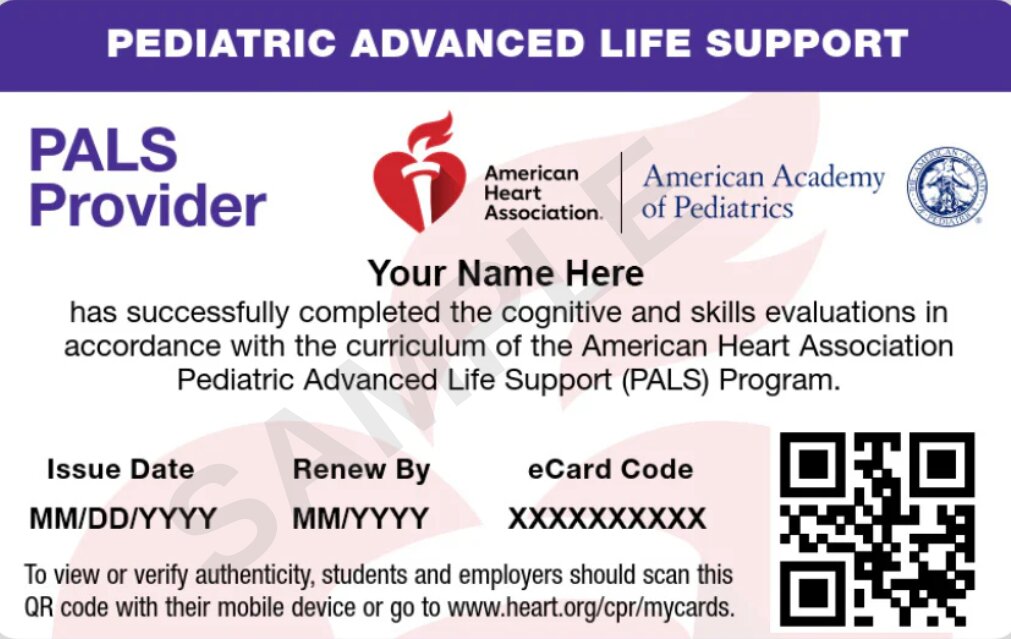
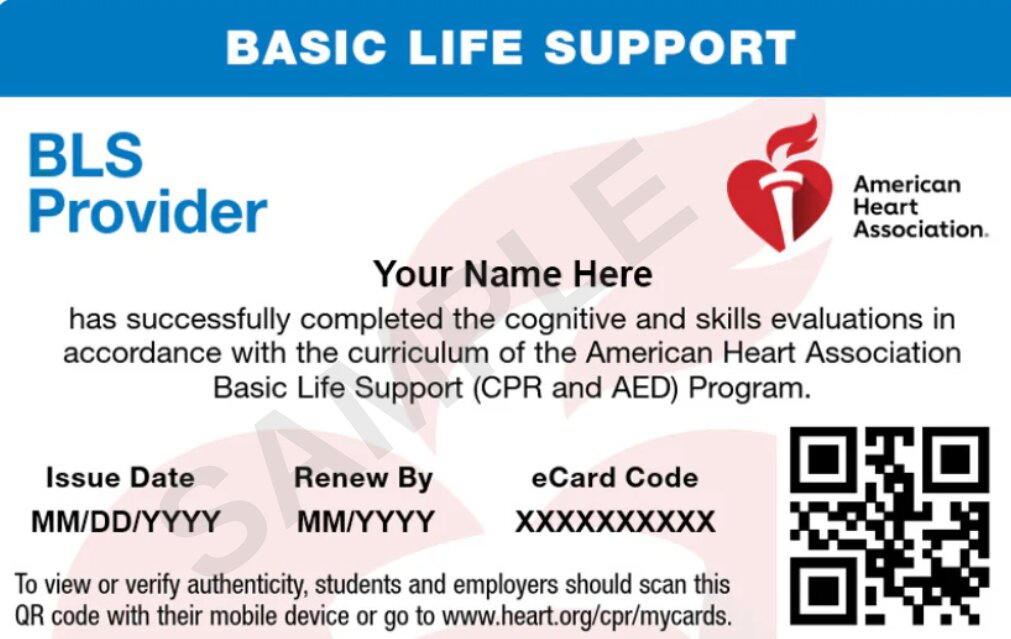
At New York CPR Classes, you can strengthen these skills through AHA BLS, ACLS, and PALS training. Complete the online learning portion at your own pace, followed by an in-person skills assessment to demonstrate your practical abilities. Receive your nationally recognized AHA eCard the same day after completing the course and skills assessment.
Frequently Asked Questions
During CPR cycles, what should your team do to prevent fatigue and maintain high-quality CPR?
Your team should take turns performing chest compressions and switch rescuers about every two minutes. Make sure the next person is ready to take over so compressions can continue with minimal interruption. Keep communicating and check that compressions maintain the correct depth, rate, and full chest recoil throughout CPR.
What happens if only one rescuer is available?
A single rescuer cannot rotate compressors. They should continue CPR, use an AED as soon as it becomes available, and follow emergency dispatcher instructions until additional help arrives or another reason to stop CPR occurs.
How long should a team take when switching roles during CPR?
When the team switches compressors, the transition should take less than 5 seconds to minimize interruptions in chest compressions. The next rescuer should be ready to take over immediately.
When should rescuers switch roles in a multiple-rescuer team response for an adult?
When more than two rescuers are present, they should rotate responsibilities approximately every two minutes. One rescuer can take over chest compressions while another manages the airway and a third operates the AED or coordinates the response. This allows team members to share responsibilities and maintain effective CPR with minimal interruptions.
What should be minimized when rescuers switch roles during CPR?
Interruptions in chest compressions should be kept as short as possible, ideally less than 10 seconds. The next rescuer should be ready to take over immediately so blood flow to the brain and other vital organs is maintained.