A sudden collapse can leave you wondering what to do first, especially when the person does not respond or is not breathing normally. The situation can feel overwhelming, but following a clear sequence can help you from recognizing the emergency to providing immediate care.
First, make sure the scene is safe, then call emergency services and ask someone nearby to bring an AED. An Automated External Defibrillator helps restore a normal heart rhythm during certain types of cardiac arrest. Although the device is simple to operate, using it for the first time can feel unfamiliar, especially when you are unsure of what to do next.
This guide explains the step-by-step procedure for using an AED, including when to use it, how to operate the device, safety precautions, situations that require extra care, and the difference between CPR and AED.
What Is an AED?
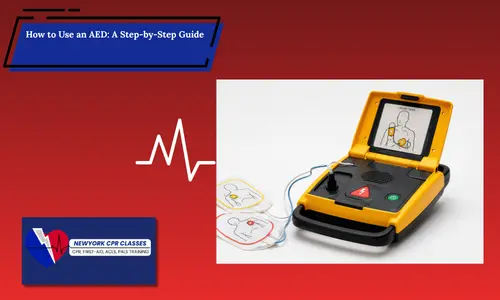
An automated external defibrillator (AED) is a portable medical device used during sudden cardiac arrest. The device analyzes the person’s heart rhythm and determines whether an electrical shock is needed. When a shockable rhythm is detected, the AED delivers a controlled electrical shock that may help restore a normal heart rhythm.
AEDs are commonly found in workplaces, schools, airports, fitness centers, public buildings, and other public locations. The device gives clear voice and visual instructions that guide the user through the process, including placing the pads, allowing it to analyze the heart rhythm, and delivering a shock when advised.
Steps to Use an AED
These steps apply to adults and children aged 8 years or older, or those who weigh more than 55 pounds (25 kg), who are unresponsive and not breathing normally. For children younger than 8 years or weighing 55 pounds (25 kg) or less, use pediatric pads or a pediatric setting when available.
1. Check the Person and Call 911
Check whether the person responds when you speak to them and tap their shoulders. If they are unresponsive and not breathing normally, call 911 or direct someone nearby to make the call and bring an AED.
2. Begin CPR
Start CPR while the AED is being retrieved. Continue chest compressions until the device is ready or tells you to stop.
3. Turn On the AED
Turn on the device as soon as it is available. Some models turn on when you open the lid, while others require you to press the power button. Listen to the voice and visual prompts and follow the instructions provided.
4. Prepare the Person’s Chest
Remove clothing covering the person’s chest so the electrode pads can make direct contact with the skin. If the chest is wet, dry it before applying the pads.
5. Apply the Electrode Pads
Remove the protective backing from the pads and place them firmly on the bare chest. Follow the placement diagrams provided with the pads.
For an adult, place one pad on the upper right side of the chest, just below the collarbone, and the other on the lower left side of the chest, just below the armpit. If the pads could touch a smaller person, follow the manufacturer’s instructions for an alternative placement.
6. Allow the Device to Analyze the Heart Rhythm
Stop CPR when the device instructs you to do so. Make sure no one is touching the person while the device analyzes the heart rhythm. Wait for the device to determine whether a shock is advised.
7. Deliver a Shock if Advised
If a shock is advised, make sure everyone stands clear of the person before delivering the shock. Follow the device’s instructions. Some models require you to press a shock button, while fully automatic models deliver the shock automatically.
8. Resume CPR
After the shock, or when no shock is advised, resume CPR when instructed. Keep the pads attached and continue following the device’s prompts until emergency medical professionals take over, the person shows signs of life, or the scene becomes unsafe.
When Should You Use an AED?
An AED is used during a suspected sudden cardiac arrest when the heart is no longer pumping blood effectively. Once you recognize that someone needs emergency resuscitation, begin CPR and get an AED without delay. The device will assess the person’s heart rhythm and determine whether a shock is appropriate.
Key signs that indicate an AED may be needed include:
- Sudden collapse: An unexpected fall followed by loss of consciousness.
- Unresponsiveness: Failure to respond to your voice or a tap on the shoulders.
- Abnormal breathing: Gasping or breathing that is absent or irregular.
- Need for resuscitation: Signs of cardiac arrest requiring immediate CPR and AED use.
Can an AED Hurt Someone?
No, an AED does not hurt someone when it is used correctly. A common misconception is that the device can deliver a shock at any time. In reality, it first checks the heart rhythm and only delivers or recommends a shock when a shockable rhythm is detected. No one should touch the person while the rhythm is being analyzed or when a shock is delivered. Voice and visual prompts guide rescuers through the process, making the device suitable for trained responders and bystanders during sudden cardiac arrest.
Special Considerations When Using an AED
Certain circumstances can affect how an AED is used during a cardiac emergency. These special considerations cover situations that may require attention during AED use.
- Consciousness and breathing: Use the device only when the person is unresponsive and not breathing normally.
- Physical contact: Keep everyone away from the person while the heart rhythm is being analyzed or a shock is delivered.
- Water and moisture: Move the person away from standing water and dry the chest before applying the electrode pads.
- Metal surfaces: Keep the electrode pads from touching metal directly. The person can remain on a metal surface when the pads are positioned correctly.
- Implanted devices: Position an electrode pad beside, rather than directly over, a visible pacemaker or implanted defibrillator.
- Medication patches: Remove any visible medication patch from the chest and wipe the area clean before placing an electrode pad.
- Clothing: Remove or cut away clothing covering the chest so the pads can make direct contact with bare skin.
- Flammable materials: Keep the device away from flammable gases and other materials that could ignite.
Are CPR and an AED the Same?
No. CPR and an AED are different parts of the response to cardiac arrest. However, they are commonly used together during an emergency to provide immediate care.
The table below highlights the key differences between CPR and an AED.
| CPR | AED |
| A lifesaving technique | A medical device |
| Uses chest compressions and rescue breaths when appropriate | Analyzes the heart rhythm |
| Helps maintain blood flow to the brain and vital organs | Delivers a shock when a shockable rhythm is detected |
| Begins when cardiac arrest is recognized | Used as soon as it becomes available |
| Continues between AED analyses and after a shock | Provides voice and visual prompts to guide the rescuer |
Where Are AEDs Found and Who Should Learn to Use One?
AEDs are available in many locations throughout New York where large numbers of people gather or where emergency response may be needed. Common locations include:
- Schools and colleges
- Airports and transportation hubs
- Shopping malls and retail centers
- Hospitals and medical facilities
- Fitness centers and sports facilities
- Hotels and community centers
- Offices and workplaces
- Churches and places of worship
- Government buildings
People who should learn to use an AED include:
- Healthcare professionals: Nurses, physicians, EMTs, paramedics, and medical assistants
- Education professionals: Teachers, coaches, and school staff
- Childcare professionals: Childcare providers and caregivers
- Workplace personnel: Employees, security personnel, and designated emergency responders
- Family caregivers: Parents and family caregivers
Can You Use an AED Without Being Trained?
Yes. You do not need to be a healthcare professional to use an AED during a cardiac emergency. The device provides voice and visual instructions that guide you through the steps, including placing the pads and following the prompts.
Although an AED can be used without prior training, Heartsaver CPR and AED training allow you to practice these skills before an emergency happens. A course can teach you how to:
• Recognize cardiac arrest
• Start CPR promptly
• Use an AED correctly
• Follow the device prompts
• Continue CPR after the AED analyzes the heart rhythm
• Assist until EMS arrives
Learning these skills in advance can help you feel more prepared to respond when someone experiences sudden cardiac arrest.
Get AED Training with New York CPR Classes
If you ever need to respond to a cardiac emergency, an AED can provide critical assistance while you wait for emergency medical services. Learning how the device analyzes the heart rhythm, gives voice instructions, and guides you through pad placement can help you understand what to expect when an AED is needed.
New York CPR Classes offers Heartsaver CPR AED and Heartsaver First Aid CPR AED courses for individuals and workplace employees who need CPR and first aid training. You can complete the online coursework at your own pace, then visit a nearby CPR verification station to complete your hands-on skills session. Once you complete all required components, you can receive your course completion credential the same day and be ready to apply your CPR and AED skills in an emergency.
Frequently Asked Questions
Can an AED be used more than once?
Yes. An AED can be used repeatedly when properly maintained and equipped with functioning batteries and electrode pads. Follow the manufacturer’s instructions for replacing consumable components after use.
How long does an AED take to analyze the heart rhythm?
An AED usually analyzes the heart rhythm within a few seconds after the pads are attached and everyone is clear of the person. The exact timing varies by device, so follow the prompts provided by the specific AED.
Can an AED be used on a child?
Yes. AEDs can be used on children experiencing cardiac arrest. For children younger than 8 years or weighing 55 pounds (25 kg) or less, use pediatric pads or the pediatric setting when available.
What happens if an AED says no shock is advised?
Continue CPR when the AED instructs you to do so. Keep the electrode pads attached and follow the device prompts until the person shows signs of life or emergency medical professionals take over.
Do AED pads and batteries expire?
Yes. Both AED electrode pads and batteries have expiration dates and should be replaced according to the manufacturer’s instructions. Regularly checking these components helps ensure the AED is ready to use during an emergency.
Can an AED be used on a pregnant person?
Yes. An AED can be used when a pregnant person experiences cardiac arrest. Follow the standard AED procedure and begin CPR while the device is being retrieved.