Healthcare professionals who care for infants and children need specialized training that goes beyond standard life support techniques. Our American Heart Association PALS certification program provides the knowledge and practical skills needed to recognize pediatric emergencies early, respond appropriately, and support better patient outcomes.
Pediatric emergencies present unique challenges that require specialized knowledge, quick clinical judgment, and effective teamwork. Our PALS training program helps healthcare providers build the confidence and competence needed to care for critically ill infants and children in high-pressure situations.
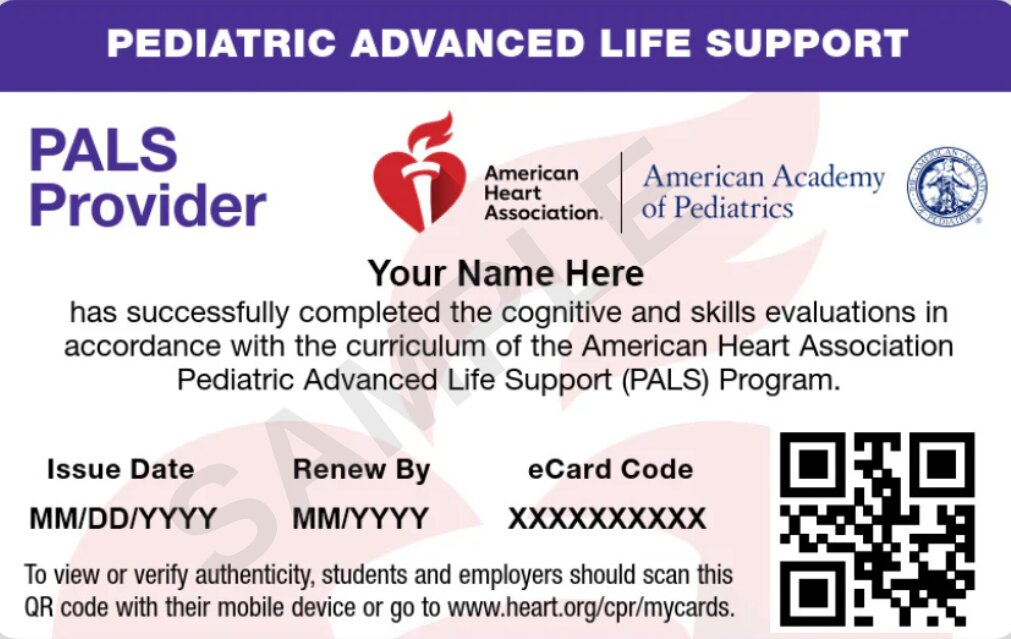
Ideal for healthcare professionals seeking initial certification or renewal.
For participants who have already completed the online course and only require the practical evaluation.
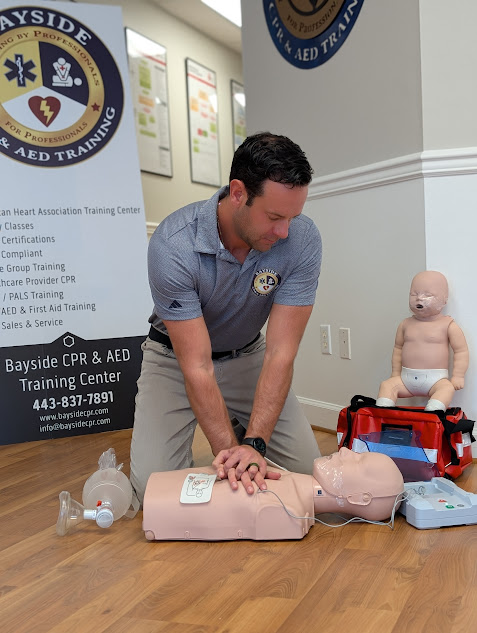
Healthcare professionals often have demanding schedules that leave little room for traditional classroom training. Our flexible learning model allows you to complete the educational portion online and schedule your skills assessment separately.




















Pediatric Advanced Life Support (PALS) is an advanced, AHA-based training that provides structured, algorithm-driven guidance for managing life-threatening emergencies in infants and children. It emphasizes early recognition of clinical deterioration and rapid intervention in conditions such as respiratory failure, shock, and cardiac arrest. The course also includes pediatric airway management, resuscitation algorithms, post-cardiac arrest care, and weight-based medication dosing specific to children.
PALS applies a systematic approach to pediatric emergency care, helping healthcare providers quickly assess, prioritize, and manage critically ill pediatric patients using standardized protocols.
PALS certification is widely required for healthcare professionals who work in emergency medicine, pediatric care, critical care, transport medicine, and other settings where children may require urgent intervention. Certification remains valid for two years.
Children often show subtle signs of deterioration before experiencing a major medical event. PALS teaches providers how to identify these warning signs and intervene before conditions worsen.
Participants learn structured assessment methods that help guide treatment decisions during complex pediatric emergencies.
Because many pediatric emergencies begin with respiratory problems, PALS places significant emphasis on airway assessment, oxygen delivery, and ventilation support.
Healthcare providers gain valuable experience working through realistic pediatric emergency scenarios that reinforce clinical judgment and teamwork.
Effective communication is essential during emergency care. PALS teaches providers how to function as both leaders and team members during critical events.
Training follows the latest American Heart Association recommendations for pediatric emergency cardiovascular care.
This course combines evidence-based education with practical application to prepare participants for real-world pediatric emergencies.
By the end of the course, you will be able to:
Healthcare professionals working directly with infants, children, and adolescents are among the most common PALS certification holders. Pediatric nurses, pediatric specialists, neonatal care providers, and children’s hospital staff frequently encounter situations where early recognition and intervention can significantly affect outcomes. PALS training helps these providers develop a structured approach to assessment and treatment while strengthening their ability to respond during rapidly evolving emergencies.
Emergency departments routinely care for pediatric patients experiencing respiratory distress, trauma, seizures, severe infections, and other urgent medical conditions. Physicians, nurses, and emergency care teams benefit from PALS certification because it provides practical tools for managing pediatric emergencies efficiently while working within a coordinated care team.
Providers involved in pediatric transport, neonatal transport, intensive care, and specialty retrieval services often care for critically ill patients in complex environments. PALS certification helps these professionals strengthen their clinical assessment skills and maintain familiarity with pediatric emergency protocols used during high-acuity patient care.
Nurse practitioners, physician assistants, family medicine physicians, pediatricians, and hospital-based providers often care for children in a variety of clinical settings. PALS training helps support safe, evidence-based decision-making when pediatric patients require urgent evaluation and treatment.
Every course follows the most recent AHA guidelines, ensuring your certification reflects current pediatric emergency care recommendations.
Your AHA PALS Provider eCard is accepted by hospitals, healthcare systems, and employers throughout New York and across the United States.
Once your skills assessment is successfully completed, your certification is issued promptly so you can immediately verify your credentials.
Complete the online portion at your convenience and schedule your practical evaluation when it works best for you.
Participants receive unlimited opportunities to successfully complete their practical evaluation.
Course materials are accessible from computers, tablets, and smartphones, making it easy to learn wherever your schedule allows.


Get all essential details about your PALS certification, including course format, validity period, compliance standards, and how your certification is issued.
Advanced Cardiovascular Life Support
Flexible & self-paced;
Hands-on practice
Truster Certification

Basic Life Support
Flexible & self-paced;
Hands-on practice
Truster Certification
Heartsaver First Aid CPR AED
Flexible & self-paced;
Hands-on practice
Truster Certification
Children experiencing medical emergencies require healthcare providers who can recognize critical changes and respond appropriately. Maintaining an active PALS certification helps ensure you have the knowledge and skills necessary to provide effective pediatric emergency care when it is needed most.
With flexible scheduling, convenient New York locations, and same-day certification, earning or renewing your PALS credential is simple and efficient.
Children have unique physiological characteristics that affect how they respond to illness and injury. PALS training focuses on age-specific assessment techniques, treatment priorities, and interventions that are appropriate for infants and children.
Yes. Emergency departments, urgent care centers, transport teams, and many hospital departments may occasionally care for pediatric patients. PALS helps providers prepare for these situations.
Many nursing students, medical students, and healthcare trainees complete PALS certification if it is required by their educational program or future employer.
Your American Heart Association PALS certification remains valid for two years from the date it is issued.
After successfully completing the practical evaluation, your official AHA PALS Provider eCard is issued and can be used immediately for employment and credential verification purposes.