BLS certification is an important credential for healthcare providers who may be expected to respond to cardiac and respiratory emergencies in clinical settings. Hospitals, clinics, medical offices, and other healthcare facilities may require current BLS credentials as part of employment or clinical requirements.
For healthcare professionals in New York, choosing the right BLS course means understanding which certification is required, who needs it, how the training is delivered, and how long the credential remains valid. Requirements can vary by employer, educational institution, and professional role, so checking these details before registering can help you choose an appropriate course.
Whether you are a healthcare professional seeking initial certification or renewing an existing credential, understanding the BLS certification process can make registration easier and help you prepare for the requirements associated with your role.
What Is BLS Certification?
Basic Life Support (BLS) certification is a credential that verifies a healthcare professional has completed training in fundamental life support techniques used during cardiac arrest, respiratory emergencies, and airway obstruction. The training emphasizes early recognition, the components of high-quality CPR, AED use, effective ventilation, and coordinated resuscitation for adults, children, and infants.
The BLS acronym can be understood through three key components:
- Basic: Focuses on the essential skills needed to respond to life-threatening emergencies before advanced medical care is available.
- Life: Addresses interventions that help maintain breathing and circulation during a medical emergency.
- Support: Provides guidance on delivering appropriate care during resuscitation, whether a healthcare provider is the sole rescuer or working with a team.
Why Is BLS Training Important?
BLS training is valuable for healthcare providers, as it strengthens their ability to recognize and manage life-threatening situations in clinical environments. A current BLS credential also demonstrates that a provider has completed the required training for their professional role and remains prepared to participate in emergency care.
BLS skills offer several important benefits:
- Supports Emergency Response: Provides essential skills for responding to cardiac and respiratory emergencies.
- Promotes Early Intervention: Helps providers begin appropriate care while additional medical assistance is being activated.
- Builds Resuscitation Skills: Provides training in CPR, AED use, ventilation, and other fundamental life support techniques.
- Encourages Teamwork: Helps healthcare professionals communicate and coordinate their roles during resuscitation.
- Meets Professional Requirements: A current BLS credential may be required by healthcare employers, clinical facilities, or educational programs.
What Do You Learn During BLS Training?
BLS training allows healthcare professionals to build practical confidence through instruction, demonstration, and hands-on practice. The learning experience helps participants become familiar with the equipment, procedures, and age-specific considerations they may encounter during BLS care.
High-Quality CPR
High-quality CPR depends on consistent chest compressions, appropriate ventilation, and proper coordination throughout resuscitation. Key considerations include compression rate, depth, chest recoil, minimizing interruptions, and providing breaths when indicated.
AED Use
Safe and effective AED operation is an important part of cardiac arrest care. The process includes placing the pads correctly, following the device prompts, ensuring everyone is clear during analysis and shock delivery, and promptly resuming CPR.
Airway and Breathing Support
Maintaining an open airway allows effective ventilation during an emergency. This section explains how to position the airway correctly, provide rescue breaths, and use a barrier device when giving breaths
Choking Management
Airway obstruction requires different interventions depending on the person’s age and condition. The appropriate response is addressed for responsive and unresponsive adults, children, and infants.
Adult, Child, and Infant BLS
BLS care varies across different age groups. The appropriate CPR, ventilation, and emergency response techniques are addressed separately for adults, children, and infants.
Two-Rescuer CPR
When two rescuers are available, coordinated actions can support continuous and effective CPR. Responsibilities are divided between rescuers, with clear communication and timely role changes during the response.
Resuscitation Team Dynamics
A coordinated resuscitation team relies on effective team dynamics, including clear roles, effective communication, and organized decision-making. Team members must understand their responsibilities and work together as the patient’s condition changes.
Special Emergency Situations
Certain emergencies require additional considerations during resuscitation. BLS addresses responses to opioid associated emergencies and drowning, including the appropriate life support measures for these circumstances.
Who Needs BLS Certification in New York?
BLS credentials is relevant to professionals who may need to respond to a medical emergency as part of their job responsibilities.
Common roles include:
| Category | Common Job Roles |
| Healthcare Professionals | Physicians, nurses, medical assistants, nursing assistants, respiratory therapists, physical therapists, occupational therapists, and pharmacy staff |
| Dental Professionals | Dentists, dental hygienists, and dental assistants |
| Emergency and Public Safety | EMTs, paramedics, firefighters, police officers, and lifeguards |
| Students and Clinical Trainees | Medical students, nursing students, dental students, and other healthcare students completing clinical training |
| Care and Support Services | Home health aides, nursing home staff, assisted living staff, childcare providers, and school staff |
| Fitness and Wellness Professionals | Fitness trainers and other professionals whose workplace requires BLS training |
Is BLS the Same as CPR?
No. BLS and CPR are not the same, although CPR is a core component of BLS training. BLS provides a broader approach to emergency response, covering the skills, assessment, and teamwork needed by healthcare professionals and other trained responders.
| BLS Certification | CPR Certification |
| Focuses on healthcare professionals and professional responders | Commonly intended for the general public and workplace responders |
| Covers CPR for adults, children, and infants | Covers CPR based on the selected course and target age group |
| Includes AED use and coordinated resuscitation | May include AED use depending on the course |
| Covers two-rescuer CPR and team-based resuscitation | Primarily focuses on individual response skills |
| Includes airway management and ventilation techniques | Covers basic breathing support and rescue breathing when included |
| Commonly required for healthcare employment and clinical training | Commonly used for general workplace, school, or community requirements |
How Long Does BLS Course Take?
BLS course can often be completed within a few hours, although the exact duration depends on the provider and training option you choose. A classroom course takes place during a scheduled training session, while a blended program allows you to complete the online coursework separately before attending the required skills evaluation.
The overall time may depend on:
- Training method: Classroom and blended programs have different time requirements.
- Online learning: Blended courses require time to review the educational material and complete the online assessment.
- Skills evaluation: A separate practical session may be required to demonstrate the required techniques.
- Initial certification: First-time students may need more time to become familiar with the material and skills.
- Renewal: Returning participants may already be familiar with the core concepts and procedures.
How Can You Prepare for BLS Training?
Proper preparation can make the training process easier and help you focus on the practical skills covered during the session. Reviewing the basic concepts beforehand, checking the course requirements, and arriving ready for hands-on practice can help you participate confidently.
Before attending BLS training, consider the following:
- Check the course requirements: Review the registration information and confirm whether your course includes online learning, an assessment, or a separate skills session.
- Review the provided materials: Read any study materials or instructions sent by the training provider before your scheduled session.
- Plan for online coursework: If you are taking a blended course, set aside sufficient time to complete the online portion before visiting the skills verification station.
- Bring required items: Check whether your training provider requires identification, course documents, or other materials for the scheduled session.
- Wear suitable clothing: Choose comfortable clothing that allows you to kneel, bend, and perform CPR practice on a training manikin.
- Confirm workplace requirements: Check whether your employer requires a specific BLS course or certification provider before registering.
How to Get BLS Certification in New York?
BLS certification requires completion of the assigned learning activities and a practical demonstration of essential resuscitation skills. The steps may vary based on the training format and your employer’s certification requirements.
The process generally includes:
- Select the appropriate BLS course: Choose an American Heart Association BLS course that satisfies your employer or professional requirements.
- Complete the coursework: Study the assigned material and finish the required knowledge assessment.
- Attend the skills session: Visit the scheduled CPR verification station after finishing the online coursework to complete the required hands-on practice.
- Complete the skills check: Demonstrate your BLS techniques during the required hands-on skills evaluation
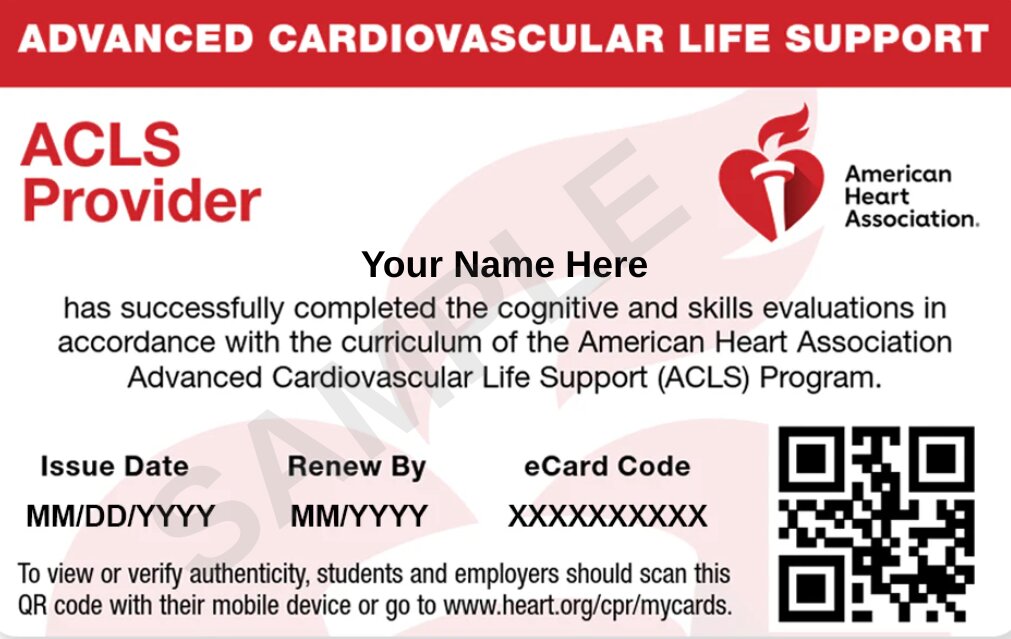
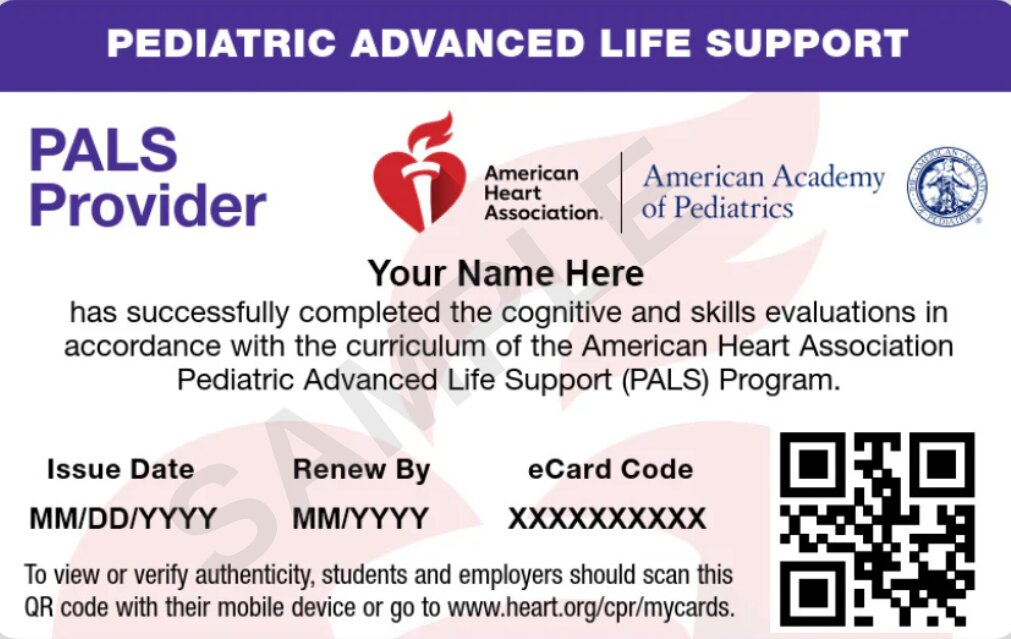
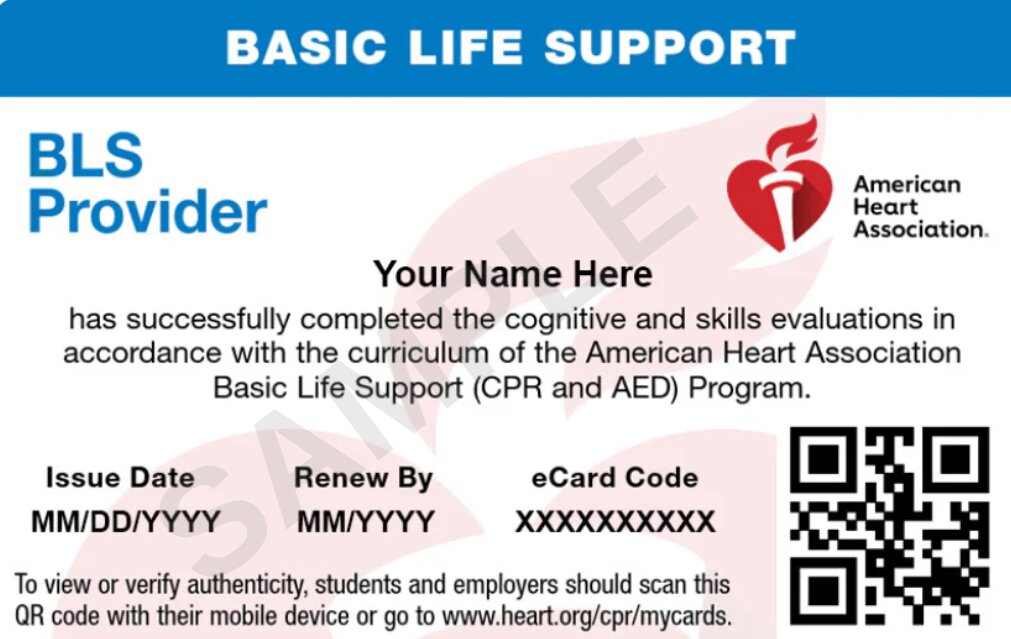
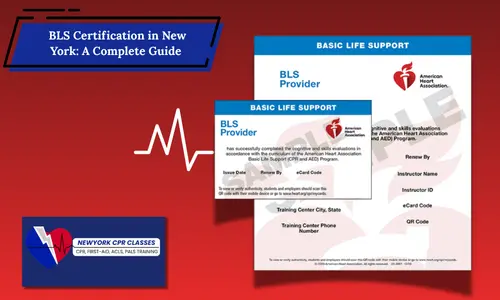
- Receive your AHA Provider eCard: After completing all required components, you will receive your BLS Provider eCard.
Note: An AHA BLS Provider certification is generally valid for two years. Check your employer’s renewal requirements and complete the appropriate training before your current credential expires.
Complete Your BLS Certification with New York CPR Classes
BLS certification is an important credential for professionals who may need to provide immediate care during a cardiac or respiratory emergency. Choosing an appropriate training option can help you meet your workplace requirements while gaining the skills expected for effective emergency response.
New York CPR Classes offers American Heart Association BLS certification through a blended learning format. You can complete the required coursework online at your own pace, then visit a nearby CPR verification station for your hands-on skills evaluation. With multiple verification stations across New York, you can choose a location that works well for you. Once you complete all required components, your AHA BLS Provider eCard can be issued the same day.
Frequently Asked Questions About BLS Certification in New York
Can BLS credentials help with healthcare job applications in New York?
A current BLS certification can strengthen your qualifications when applying for positions that require this life-saving skill. Some employers may also verify the credentials during the hiring or onboarding process.
Does New York Require BLS training for All Healthcare Workers?
No. BLS credential is not a universal requirement for every healthcare worker in New York. Requirements may vary based on the profession, employer, clinical setting, and specific job responsibilities.
Can I take the BLS course for a new healthcare position before starting work?
Yes. Completing the required course before your start date can help you satisfy onboarding requirements when your employer requests an active BLS credential. Confirm the required completion date with your employer.
What should I do if my employer does not specify which BLS course I need?
Ask the employer or clinical coordinator which credentials they accept before registering. This can help you avoid completing a course that does not meet the organization’s credentialing requirements.
Does BLS card expire on the same date for everyone?
No. The expiration date is based on the card issued to the individual. Check the expiration date shown on your AHA Provider eCard rather than relying on a general calendar date.
Can I change my BLS training location after registration?
This depends on the training provider’s scheduling and location policies. Contact the provider before your scheduled session to determine whether your appointment can be moved to another available verification station.