Many careers in New York involve working with the public, children, patients, older adults, or people in physically demanding environments. Medical emergencies can happen without warning, making CPR and First Aid skills valuable in workplaces where employees may need to respond before emergency medical services arrive.
These life-saving credentials can also improve job opportunities. Adding these qualifications to your resume can help you stand out when employers are choosing between candidates with similar experience and skills.
In this guide, we’ll explain which careers in New York commonly require or prefer CPR and First Aid certification, why employers value these credentials, the benefits they provide for career growth, and how to choose the right training provider.
Why Employers Include Emergency Care Skills in Job Requirements
Many employers in New York list CPR and First Aid certification as a preferred or mandatory qualification for roles across multiple industries. Positions involving patient care, childcare, education, recreation, public services, and community programs commonly include these credentials in their hiring criteria.
These life-saving skills also demonstrate that a candidate can remain calm under pressure, take initiative, and help promote a safer workplace for coworkers and the people they serve. Licensing regulations, accreditation standards, contractual obligations, OSHA guidance for certain industries, and internal organizational policies also influence when certification is expected.
Careers That Require CPR and First Aid Credentials
Emergency care skills are valuable across many professions in New York, particularly in roles that involve caring for others or working in environments where medical emergencies may occur. The following career categories highlight occupations where these skills are commonly expected, preferred, or required as part of the job.
Healthcare Professionals
Healthcare professionals regularly care for patients who may experience cardiac arrest, breathing emergencies, choking, allergic reactions, or other medical emergencies that require immediate intervention. Current CPR and First Aid certification is commonly expected for many patient care roles across hospitals, clinics, urgent care centers, rehabilitation facilities, dental practices, and home healthcare agencies.
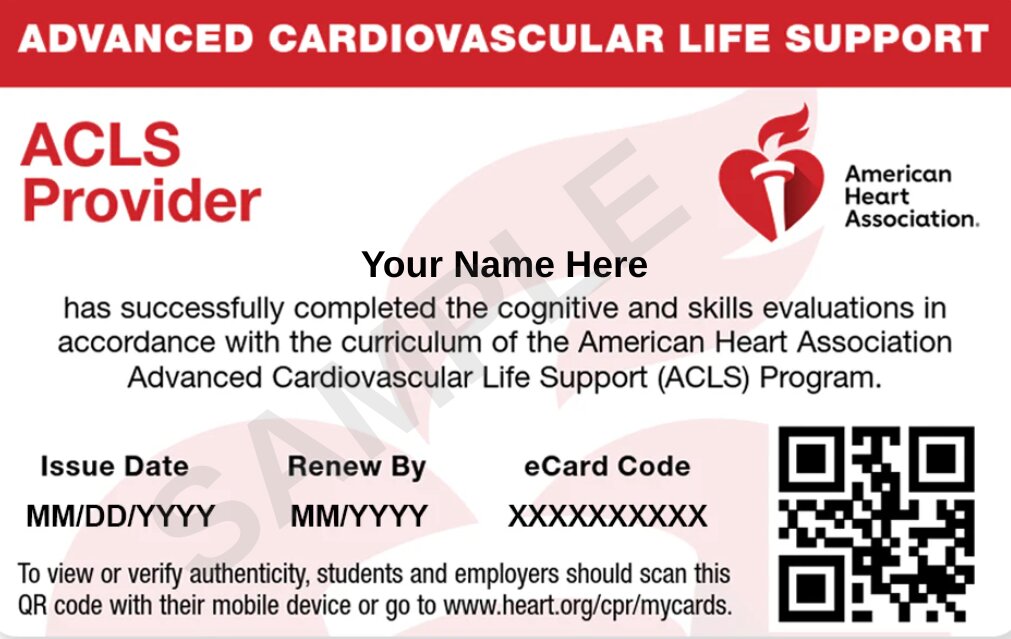
Some medical positions also require advanced credentials such as BLS, ACLS, or PALS based on the provider’s responsibilities and the patients they treat.
Common healthcare careers include:
- Nursing professionals, including Registered Nurses, Licensed Practical Nurses, and Certified Nursing Assistants
- Physicians, Physician Assistants, and Nurse Practitioners
- Emergency Medical Technicians, paramedics, flight paramedics, flight nurses, and emergency room technicians
- Medical Assistants and Respiratory Therapists
- Dental professionals, including Dental Assistants and Dental Hygienists
- Rehabilitation professionals, such as Physical Therapists and Occupational Therapists
- Diagnostic and technical professionals, including Radiology Technologists, Dialysis Technicians, and Surgical Technologists
- Home Health Aides, Hospice Care Providers, and other direct patient care staff
- Emergency Medical Technicians, paramedics, flight paramedics, flight nurses, and emergency room technicians
Childcare and Education Jobs
Teachers and childcare professionals are responsible for the safety and well-being of children throughout the day. Since children are more vulnerable to choking, falls, and allergic reactions, many schools, childcare centers, camps, and youth programs prefer or expect staff to have current CPR and First Aid certification.
Infants and young learners may not always recognize or communicate the signs of a medical emergency, making trained staff an important part of the learning environment.
Common careers in the childcare and education category include:
- Preschool, kindergarten, elementary, middle, and high school teachers
- Daycare providers, childcare assistants, babysitters, nannies, and child development specialists
- Teaching assistants and special education teachers
- School nurses and school coaches
- Camp counselors, after-school program staff, and youth program coordinators
Public Safety and Emergency Response Professionals
Public safety professionals work in environments where protecting the public is a core responsibility. Their roles often involve responding to accidents, managing large gatherings, conducting safety inspections, or assisting during incidents that require quick decision-making.
Public safety personnel may work independently or alongside other emergency services depending on the situation. Having CPR and First Aid certification allows them to meet the responsibilities of their role while supporting the communities they serve.
Common careers in this category include:
- Firefighters, firefighter paramedics, police officers, correctional officers, and tactical or SWAT medics
- Security officers and campus security personnel
- Emergency management staff and disaster response personnel
- Search and rescue personnel
- Park rangers
Fitness, Sports, Recreation, and Aquatic Professionals
Fitness, sports, recreation, and aquatic professionals work with people of different ages and fitness levels during exercise, sports, wellness programs, and water-based activities. These roles often involve supervising participants in environments where injuries, heat-related illnesses, drowning incidents, or other medical emergencies can occur, making CPR and First Aid training an important qualification.
Many gyms, recreation centers, sports organizations, aquatic facilities, swimming pools, beaches, and community programs expect staff to hold current lifesaving credentials before leading activities or supervising participants.
Common careers in this category include:
- Personal trainers, group fitness instructors, and gym staff
- Athletic trainers and sports coaches
- Yoga, Pilates, and martial arts instructors
- Lifeguards, swim instructors, and aquatic fitness instructors
- Aquatic supervisors, pool managers, and water park staff
- Recreation center staff, community center staff, and recreation program coordinators
- Beach safety personnel
Senior Care and Community Support Professionals
Senior care and community support professionals provide daily assistance to older adults and individuals with disabilities who may have ongoing medical conditions or mobility challenges. Many assisted living communities, residential care facilities, adult day programs, and home care agencies value CPR and First Aid training as part of providing quality care.
These professionals often support individuals with everyday activities while promoting their comfort, independence, and well-being.
Common careers in this category include:
- Caregivers and personal care aides
- Assisted living and memory care staff
- Adult day care employees
- Residential support staff
- Disability support professionals
- Community health workers
Hospitality, Transportation, and Outdoor Recreation Professionals
Professionals in hospitality, transportation, and outdoor recreation regularly interact with guests, passengers, visitors, and participants in a wide range of settings. Many organizations value CPR and First Aid training for employees who supervise the public or work in locations where immediate access to medical assistance may be limited.
Current lifesaving skills can be especially valuable in hotels, event venues, airports, parks, recreation programs, and outdoor destinations where employees are responsible for maintaining a safe environment and assisting the public when unexpected situations arise.
Common careers in this category include:
- Hotel managers, front desk staff, and resort employees
- Event coordinators, conference center staff, stadium personnel, and event security staff
- Flight attendants, airport staff, transit operators, school bus drivers, railroad employees, ferry crew members, and transportation supervisors
- Hiking guides, wilderness guides, outdoor education instructors, adventure camp staff, park program leaders, and outdoor recreation coordinators
Industrial, Construction, and Manufacturing Professionals
Construction, manufacturing, and industrial professionals often work in environments that involve heavy equipment, machinery, electrical systems, or physically demanding tasks. Many organizations encourage or expect designated employees to maintain CPR and First Aid certification as part of their overall health and safety programs.
These credentials are commonly held by supervisors, safety personnel, and team members who play a role in workplace emergency preparedness. Having trained employees available supports safer operations across construction sites, warehouses, factories, and utility services.
Common careers in this category include:
- Construction workers and site supervisors
- Safety coordinators
- Manufacturing supervisors and factory team leaders
- Warehouse managers
- Utility workers
- Maintenance technicians
- Heavy equipment operators
Benefits of Having CPR and First Aid Certification
Even when certification is optional, earning CPR and First Aid credentials offers practical advantages. Many employers appreciate candidates who are prepared to respond during emergencies and contribute to a safer workplace.
Benefits include:
- Improves employment opportunities
- Strengthens your resume
- Demonstrates commitment to workplace safety
- Builds confidence during emergencies
- Helps protect coworkers, customers, patients, and the public
- Meets employer or licensing requirements for many professions
- Supports career growth across multiple industries
How to Find the Right CPR and First Aid Training Provider in New York
Choosing the right CPR and First Aid training provider is just as important as completing the course itself. A nationally recognized certification, training that aligns with your professional needs, and flexible scheduling can help you choose a course that meets employer expectations.
Choose a Nationally Recognized Certification
Not all CPR and First Aid courses are accepted for employment. Select a provider that offers certification through a nationally recognized organization, such as the American Heart Association.
Make Sure the Course Fits Your Career
Different professions may require different levels of training. Review the course details before registering to confirm it matches the certification expected for your job, whether you work in healthcare, childcare, education, fitness, public safety, or another industry.
Look for a Convenient Training Schedule
Many providers offer flexible scheduling, including weekday, evening, weekend, and blended learning options. Choosing a schedule that fits your routine can make it easier to complete your training and avoid delays.
Verify When You Will Receive Your Certification
Some employers require proof of certification before you can begin work or continue in your role. Choosing a provider that issues digital certification soon after course completion allows you to submit your credentials without unnecessary waiting.
Consider the Provider’s Reputation
Before enrolling, review the provider’s experience, course reviews, and customer feedback. A trusted training provider with experienced instructors and positive reviews can help you feel confident that you are receiving quality instruction and a certification that meets professional expectations.
Start Your CPR and First Aid Training with New York CPR Classes
CPR and First Aid certification can help you meet employment requirements while building skills that are valued across many industries. Whether you work in healthcare, education, childcare, public safety, fitness, or another profession, current lifesaving credentials can support your career and prepare you for workplace responsibilities.
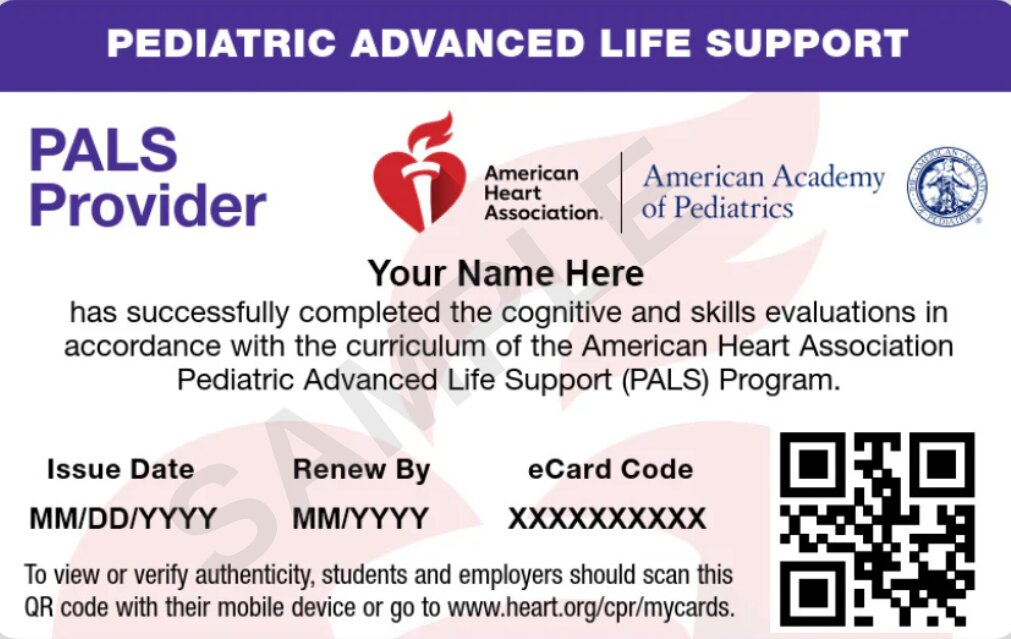
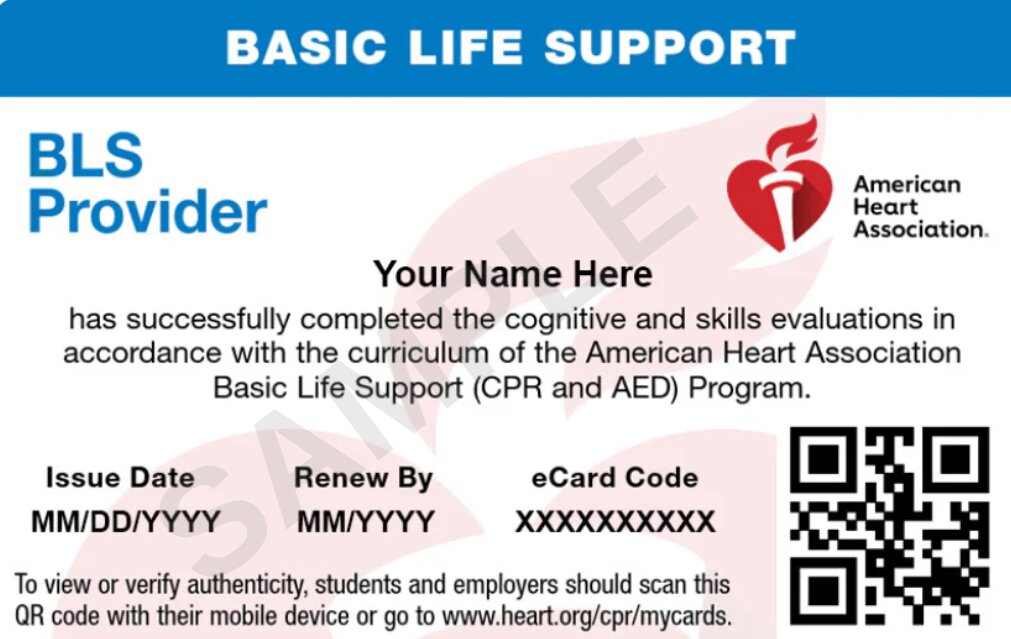
New York CPR Classes offers a flexible blended learning format that makes it easier to complete your training. Complete the online coursework at your own pace, then visit one of our convenient New York training locations to finish your hands-on skills session. Our American Heart Association (AHA) CPR and First Aid courses are accepted by employers and licensing boards nationwide. Your official AHA Provider eCard is issued the same day after completing the course, allowing you to provide proof of certification without unnecessary delays.
Still Have Questions? Here Are the Answers
How long does CPR and First Aid certification remain valid in New York?
The validity period for CPR and First Aid certification depends on the organization that issues your credentials. However, if you complete CPR and First Aid training through New York CPR Classes, your certification remains valid for two years from the date of issue.
Does New York law require every employee to have CPR and First Aid certification?
No. Certification requirements depend on the profession, employer policies, licensing regulations, and workplace responsibilities.
Is American Heart Association CPR and First Aid certification accepted throughout the United States?
Yes. American Heart Association (AHA) CPR and First Aid certifications are widely recognized and accepted by employers, healthcare organizations, and licensing boards throughout the United States.
Can CPR and First Aid certification improve my chances of getting hired?
Yes. For positions where these life-saving trainings are preferred or required, certification can strengthen your application and help you stand out among candidates with similar qualifications.
Do I need both CPR and First Aid certification for my job?
Not always. Some employers require only CPR training, while others expect employees to complete a combined CPR and First Aid course.
Can I renew my CPR and First Aid certification before it expires?
Yes. Many providers allow participants to renew their certification before the expiration date to avoid a lapse in credentials.
How do I know which CPR and First Aid course is right for my profession?
Review your employer’s requirements, licensing standards, or job posting before registering. Choosing the correct course helps ensure your certification meets the expectations for your role.