Searching for a job in New York often means competing with candidates who have similar education and work experience. Employers look for qualifications that show applicants can contribute from day one, especially in roles that involve public interaction, healthcare, education, childcare, hospitality, and workplace safety. CPR certification is one credential that can strengthen your resume while demonstrating practical lifesaving knowledge.
Even when a position does not list CPR as a mandatory requirement, having a current certification can help your application stand out. A valid certification also shows that you have completed hands-on skills training and understand current lifesaving techniques. This guide explains how CPR certification can strengthen your resume, where to include it for maximum visibility, common resume mistakes to avoid, and helpful resume tips.
Why Employers Value CPR Certification
Employers want candidates who bring more than technical knowledge to the workplace. CPR training demonstrates a commitment to safety and readiness while showing that you can respond appropriately during a medical emergency. Many job roles in healthcare, education, childcare, fitness, public safety, hospitality, and workplace safety either require this life-saving credential or consider it a valuable qualification during the hiring process.
A current CPR certification also indicates that you stay up to date with professional training. Hiring managers often view certified applicants as dependable team members who understand the importance of preparation. For many employers, this credential adds confidence during the hiring process, particularly when comparing candidates with similar qualifications.
How to Add CPR Certification on Resume Correctly
A well-organized certification section makes your qualifications easier to review during the hiring process. Whether you are applying for a healthcare role or a position where safety is valued, presenting your credentials correctly can strengthen your application.
Different resume formats provide several places to highlight CPR certification. Choosing the right location depends on your experience level and the requirements of the job you are applying for.
Certifications Section
A dedicated Certifications section is the most common and professional place to list CPR credentials. Recruiters often check this section first when a position requires certifications, so make sure the information is accurate and easy to read.
Include the following details whenever possible:
- Official course name
- Certifying organization
- Date earned
- Expiration date
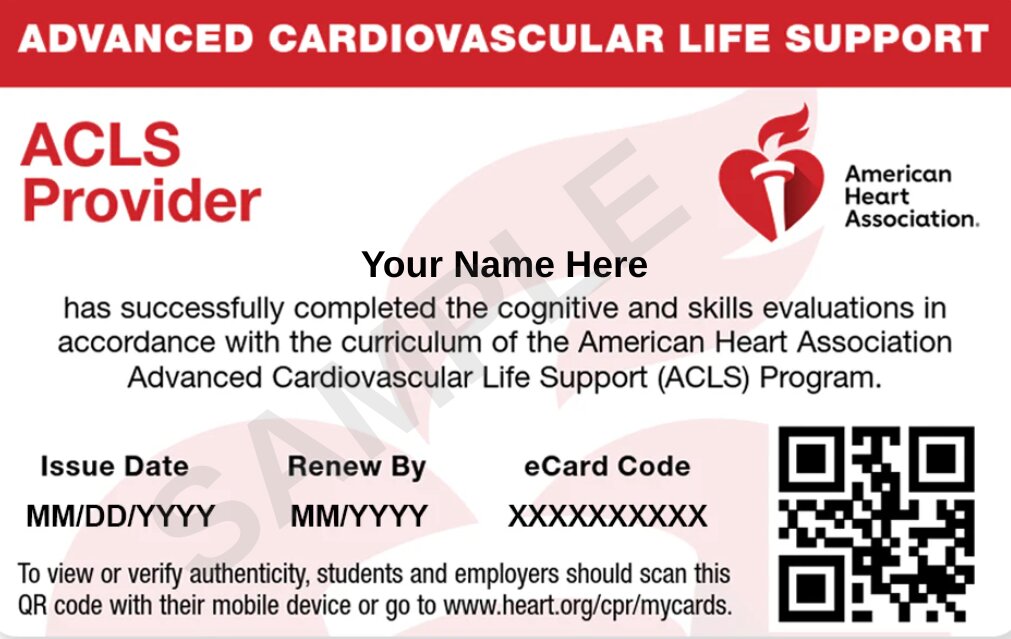
- Credential ID if the issuing organization provides one and the employer requests verification
Example
Certifications
- Heartsaver First Aid CPR AED, American Heart Association, Certified August 2026, Expires August 2028
- Advanced Cardiovascular Life Support, American Heart Association, Certified May 2025, Expires May 2027
Skills Section
A Skills section can reinforce your qualifications by highlighting CPR alongside other relevant workplace abilities. This approach works well for jobs where emergency preparedness is valuable, even if CPR certification is not listed as a required qualification.
Include skills that support your certification, such as:
Example
- CPR Certified
- AED Operation
- First Aid
- Emergency Response
- Patient Care
- Workplace Safety
- Team Communication During Emergencies
Note: If CPR certification is listed as a job requirement, include it in both your Skills and Certifications section. This helps employers quickly confirm that you meet the required qualification.
In Your Career Summary
Your professional summary appears near the top of the resume, making it an excellent place to mention CPR credentials when it directly supports the position. A brief reference can immediately show employers that you meet one of their preferred qualifications.
Example
Registered nurse with three years of clinical experience, current Basic Life Support certification, and a strong commitment to patient safety in fast-paced healthcare settings.
In Work Experience Section
Employers appreciate seeing how your training has been applied in real workplace situations. Rather than simply stating that you hold a certification, explain how you applied those skills in your daily responsibilities.
Example
Medical Assistant
City Health Clinic
March 2024 to Present
- Assisted physicians during patient examinations and routine procedures.
- Responded appropriately during medical emergencies by following CPR protocols.
- Helped maintain a safe environment for patients and visitors.
Academic or Training Section
Recent graduates, students, and professionals changing careers may have limited work experience. Listing CPR certification under Education or Additional Training helps demonstrate continued learning and job readiness.
This approach is especially useful when your certification relates directly to the position you want.
Example
Education: Bachelor of Science in Health Sciences, State University of New York
Additional Training: Basic Life Support Provider, American Heart Association, Completed September 2026
Common Resume Mistakes to Avoid
Even a well-written resume can lose impact if certification details are inaccurate or incomplete. Clear certification details help employers review and verify your qualifications.
Avoid these common errors:
- Listing an expired certification as active.
- Using unofficial abbreviations without explaining them.
- Omitting the certifying organization when required.
- Placing certifications where recruiters may overlook them.
- Forgetting to update renewal dates.
- Including certifications that are unrelated to the position.
Tips to Make Your Resume Stronger
CPR certification works best when combined with other relevant qualifications. Presenting your skills clearly allows hiring managers to understand your strengths within a few seconds.
Consider these resume tips:
- Match your resume to the job description.
- Highlight certifications near the top if they are required.
- Include only active certifications.
- Mention related credentials such as First Aid, AED, BLS, ACLS, or PALS when applicable.
- Keep formatting consistent throughout the resume.
- Update certification dates after every renewal.
Earn Your CPR Certification Before Applying for Jobs
An active CPR certification can strengthen your resume and help you meet job requirements before you apply. Many employers in New York look for candidates who already hold current CPR credentials, particularly for positions in healthcare, education, childcare, fitness, public safety, and other safety-focused professions. Completing your certification in advance allows you to apply with confidence and present an up-to-date credential on your resume.
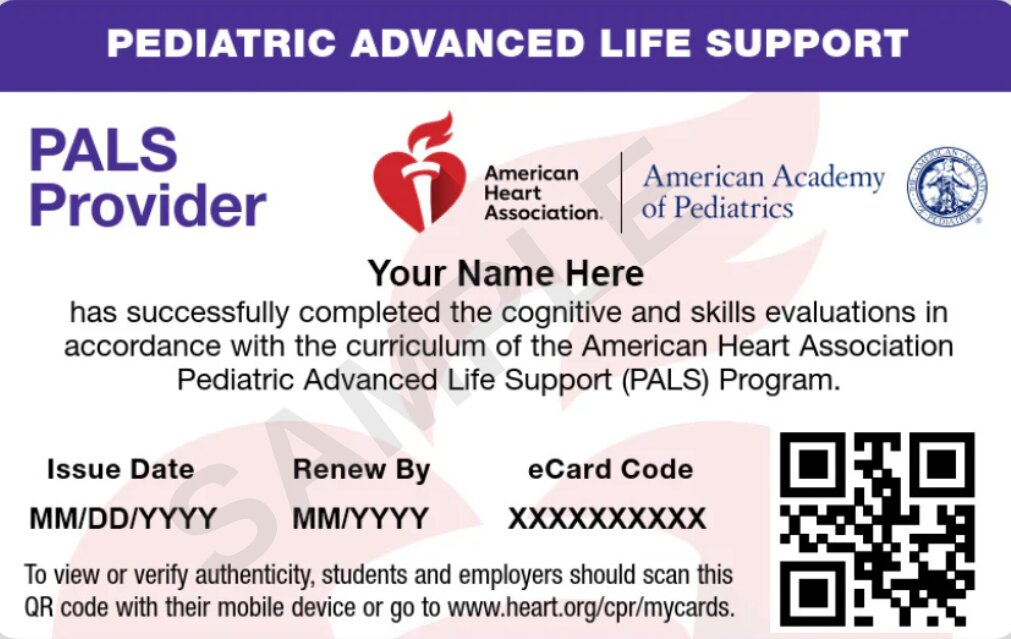
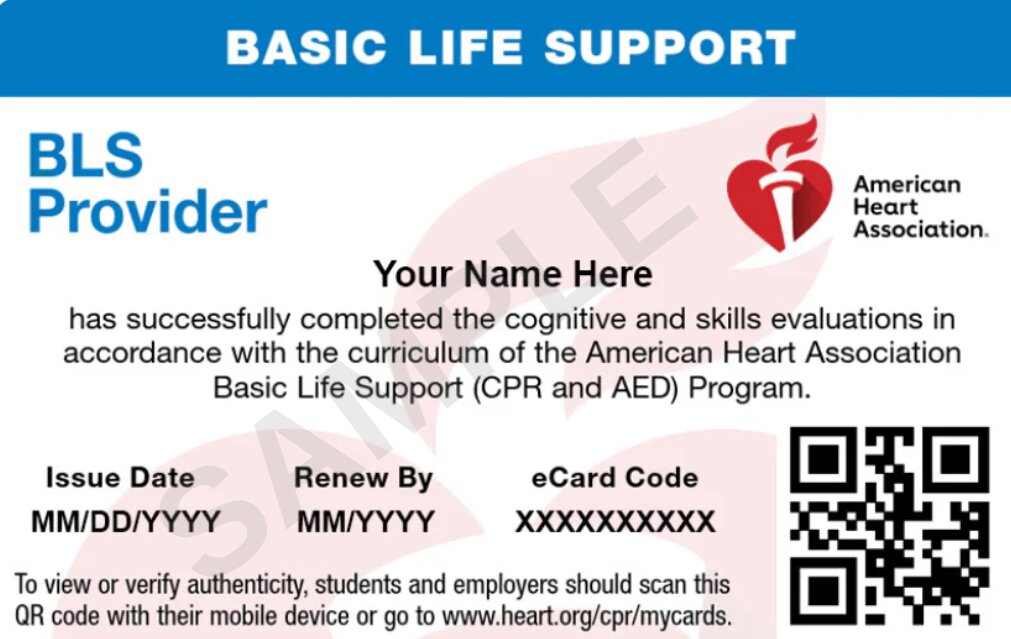
New York CPR Classes provides American Heart Association BLS, ACLS, PALS, Heartsaver CPR AED, and Heartsaver First Aid CPR AED certifications. Each course combines self-paced online learning with a hands-on skills session, allowing you to complete the training at a time that fits your schedule. After successfully finishing both portions of the course, your American Heart Association Provider eCard is issued the same day, allowing you to update your resume and begin applying for jobs without delay.
Frequently Asked Questions
Should I include CPR certification if the job posting does not mention it?
Yes. Include your CPR certification if it is relevant to the position you are applying for, even if the job posting does not specifically mention it. If the certification is not related to the role, you can leave it off your resume.
Can I add CPR certification to my resume when applying for entry-level jobs?
Yes. CPR certification can strengthen your resume if you have little or no professional experience. Including a current certification demonstrates initiative, a commitment to learning, and emergency response skills that many employers value, helping your application stand out for entry-level positions.
Does CPR certification help when applying for jobs outside healthcare?
Yes. Many industries outside healthcare value CPR certification, including education, childcare, fitness, hospitality, security, manufacturing, and recreation. A current certification shows that you are prepared to respond during workplace emergencies.
Should I include my CPR certification number on my resume?
No. Your resume only needs to include the certification name, issuing organization, and, if applicable, the expiration date. Most employers request the certification number or a copy of your certification card later in the hiring process if verification is required.
Can CPR certification improve my chances of getting hired?
While CPR certification does not guarantee employment, it can strengthen your application for roles where emergency preparedness and safety are important. A current certification may also help distinguish your resume from other qualified candidates.
Can I use the same CPR certification for different job applications?
Yes. An active CPR certification can be listed on every resume as long as it is relevant to the position. Make sure the certification remains current and update the expiration date whenever you renew it.