CPR (cardiopulmonary resuscitation) can help save someone experiencing cardiac arrest, but it does not usually restart the heart by itself. Instead, CPR maintains blood flow to the brain and other vital organs through chest compressions while emergency responders work to restore the heart’s normal rhythm.
During sudden cardiac arrest, the heart’s electrical activity becomes abnormal, preventing it from pumping blood effectively. Immediate CPR and the use of an automated external defibrillator (AED) can improve the person’s chance of survival.
This guide explains what happens to the heart during cardiac arrest, how CPR supports circulation, what treatments can restore the heart’s rhythm, and the steps to perform CPR.
What Happens to the Heart During Cardiac Arrest?
During cardiac arrest, the heart suddenly stops pumping blood effectively to the rest of the body. This usually happens when the electrical signals that control the heartbeat become disrupted. Instead of beating in a coordinated way, the heart may quiver, beat too rapidly, or lose its ability to produce effective contractions.
The heart can develop different abnormal rhythms during cardiac arrest:
- Ventricular Fibrillation (VF): The heart’s lower chambers quiver rapidly and irregularly instead of squeezing to pump blood.
- Pulseless Ventricular Tachycardia (pVT): The lower chambers beat extremely fast, but the heart cannot pump enough blood to produce a pulse.
- Asystole: The heart has no detectable electrical activity. This is commonly called a flatline.
- Pulseless Electrical Activity (PEA): The heart has electrical signals, but these signals do not produce effective pumping or a detectable pulse.
In all these situations, the brain and other vital organs stop receiving enough oxygen-rich blood. Without immediate treatment, this can lead to permanent organ damage and death. CPR helps maintain blood circulation, while an AED can deliver a shock when the heart has a shockable rhythm.
How Does CPR Help When the Heart Stops?
When the heart stops pumping blood, CPR helps keep blood circulating to the brain and other vital organs through chest compressions. Rescue breaths provide oxygen to the lungs, helping support the body until an AED or emergency medical professionals can work to restore the heart’s normal rhythm.
Although CPR cannot usually restart the heart on its own, it helps maintain vital body functions during cardiac arrest in four key ways:
1. Maintains Blood Circulation
Chest compressions act as a temporary pump, creating pressure inside the chest to push blood through the heart and into the major blood vessels. This helps maintain circulation to the brain and other vital organs.
2. Supports Oxygen Delivery
During cardiac arrest, the body cannot receive oxygen through normal breathing. CPR helps circulate oxygen remaining in the bloodstream, while rescue breaths supply fresh oxygen to the lungs.
3. Reduces the Risk of Brain Damage
The brain requires a continuous supply of oxygen. CPR helps maintain blood flow to the brain, reducing the risk of brain damage until normal circulation returns.
4. Improves the Chances of Successful Resuscitation
CPR helps maintain circulation while rescuers prepare an AED or wait for emergency medical professionals. Early CPR, combined with prompt defibrillation when needed, improves the chances of restoring an effective heartbeat.
What Can Restart the Heart During Cardiac Arrest?
Defibrillation is the primary treatment used to restore an effective heart rhythm during cardiac arrest when the person has a shockable rhythm. An automated external defibrillator (AED) delivers an electrical shock that stops the abnormal electrical activity, giving the heart’s electrical system a chance to produce a normal rhythm again.
Treatment depends on the type of rhythm detected:
1. Shockable Rhythms
These rhythms can be treated with defibrillation, which uses an electrical shock to help the heart regain an effective rhythm.
- Ventricular Fibrillation (VF): The heart’s lower chambers quiver rapidly instead of pumping blood effectively. An AED delivers a shock to stop the abnormal electrical activity and give the heart a chance to regain a normal rhythm.
- Pulseless Ventricular Tachycardia (pVT): The heart beats extremely fast, preventing it from pumping blood effectively. An electrical shock can interrupt this abnormal rhythm and allow an effective heartbeat to return.
2. Nonshockable Rhythms
These rhythms cannot be corrected with an electrical shock. Emergency medical professionals focus on CPR, medications, and treating the underlying cause.
- Asystole (Flatline): There is no detectable electrical activity in the heart. Treatment focuses on CPR, medications, and identifying possible causes.
- Pulseless Electrical Activity (PEA): The heart has electrical activity, but it does not produce an effective heartbeat or pulse. Medical professionals provide CPR, medications, and treatment for the underlying cause.
Why Can’t CPR Restart a Stopped Heart?
CPR cannot usually restart a stopped heart because it provides mechanical support rather than correcting the heart’s electrical activity. Chest compressions manually push blood through the body, helping supply oxygen to the brain and other vital organs. However, they do not fix the electrical problem or underlying medical condition that caused cardiac arrest.
Here are the main reasons CPR alone cannot restart the heart:
CPR does not correct abnormal electrical activity
The heart relies on electrical signals to beat in a coordinated way. During cardiac arrest, these signals may become disorganized or stop producing an effective heartbeat. Chest compressions move blood, but they cannot correct these electrical problems.
It provides temporary blood circulation
Each chest compression creates pressure inside the chest, pushing blood toward the brain and other vital organs. This helps limit oxygen deprivation, but it does not restore the heart’s normal pumping function.
It does not replace defibrillation
Some cardiac arrest rhythms, such as ventricular fibrillation (VF) and pulseless ventricular tachycardia (pVT), require an electrical shock to help restore an effective rhythm. CPR supports circulation while an AED or defibrillator is prepared.
It does not treat the underlying cause
Cardiac arrest can result from problems such as a blocked blood vessel, severe blood loss, oxygen deprivation, or abnormal electrolyte levels. Chest compressions cannot correct these conditions. Emergency medical professionals must identify and treat the cause as part of resuscitation.
Can CPR Help Someone Having a Heart Attack?
Yes, CPR can help someone having a heart attack if it leads to cardiac arrest. A heart attack happens when a blocked artery prevents enough blood from reaching part of the heart muscle. Cardiac arrest occurs when the heart suddenly stops pumping blood effectively. A severe heart attack can lead to cardiac arrest, making CPR necessary to help maintain blood circulation.
However, CPR does not treat the heart attack itself or remove the blockage in the artery. It helps circulate blood when the heart can no longer pump effectively. If a person is having a heart attack but remains conscious and breathing normally, CPR is not required. The person needs immediate emergency medical attention to treat the heart attack and prevent further complications.
How to Perform CPR When Someone’s Heart Stops
Immediate action can make a significant difference when someone experiences sudden cardiac arrest. If a person becomes unresponsive and is not breathing normally or is only gasping, assume cardiac arrest and begin emergency response.
Follow these steps to perform CPR on an adult:
- Check Responsiveness and Breathing: Tap the person’s shoulders and check for a response and normal breathing.
- Call Emergency Services: Ask someone to call emergency services and bring an AED.
- Begin Chest Compressions: Place both hands in the center of the chest and push hard and fast. Compress at a rate of 100 to 120 per minute, at least 2 inches (5 cm) deep, and allow full chest recoil after each compression.
- Provide Rescue Breaths if Trained: Give 30 compressions followed by 2 breaths, making sure the chest rises with each breath.
- Use an AED: Turn on the device, attach the pads, and follow its voice instructions.
- Resume CPR: Immediately restart chest compressions after a shock or a no-shock prompt. Continue until help arrives or the person shows signs of life.
Continue until the person shows signs of life, emergency medical professionals take over, or you cannot continue safely.
What Happens When the Heart Starts Beating Again?
When the heart begins pumping blood effectively after cardiac arrest, the event is called Return of Spontaneous Circulation (ROSC).
ROSC means the person has regained spontaneous circulation without requiring ongoing chest compressions to maintain it. However, regaining a heartbeat does not necessarily mean the person is fully recovered or out of danger.
After ROSC, medical professionals must continue treatment to stabilize the person’s condition and prevent another cardiac arrest.
Post-cardiac arrest care may include:
- Airway and breathing support: Providing oxygen and assisting ventilation when necessary to maintain adequate oxygen levels.
- Blood pressure management: Supporting circulation and ensuring vital organs receive sufficient blood flow.
- Heart monitoring: Identifying abnormal heart rhythms and evaluating cardiac function.
- Identifying the cause: Investigating conditions such as a heart attack, oxygen deprivation, blood clots, or electrolyte abnormalities.
- Neurological care: Monitoring brain function and managing complications caused by reduced oxygen supply.
Some patients recover after successful resuscitation, while others may experience brain injury or other complications. Early CPR, prompt defibrillation when indicated, and appropriate post-arrest treatment all improve outcomes.
Learn CPR and AED Skills for Cardiac Emergencies
CPR and AED use are essential skills during cardiac arrest. CPR helps maintain blood circulation, while an AED can deliver an electrical shock when needed to help restore an effective heart rhythm. Learning how to recognize cardiac arrest, perform chest compressions, and use an AED can help you respond confidently during an emergency.
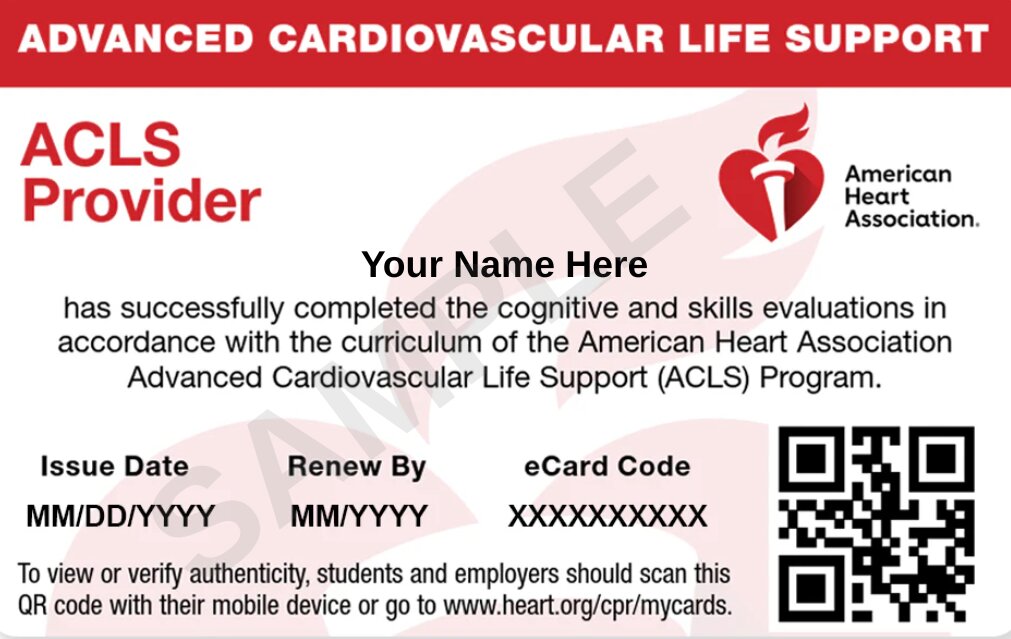
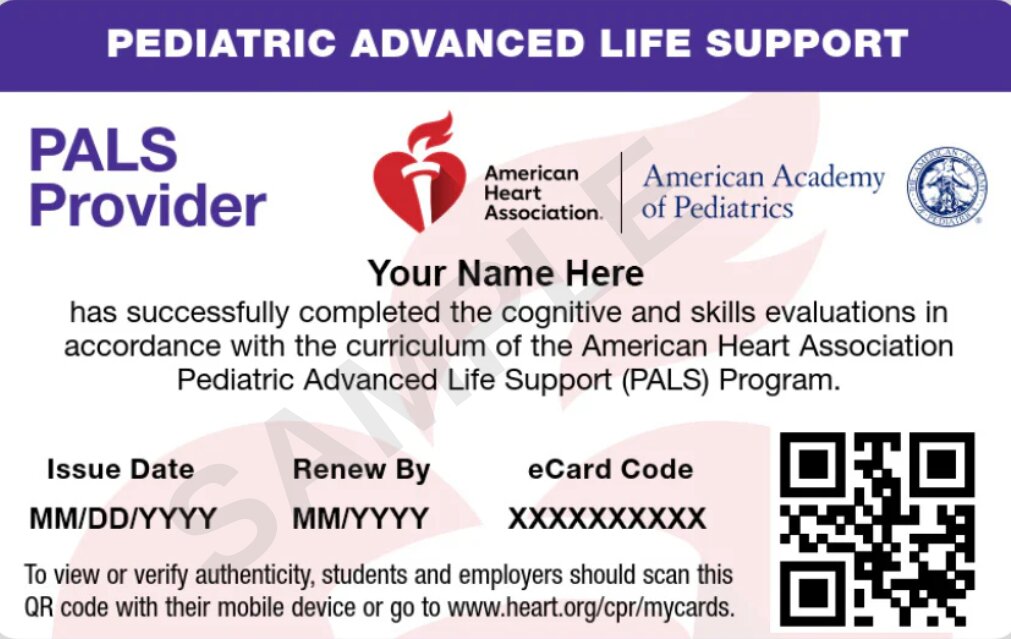
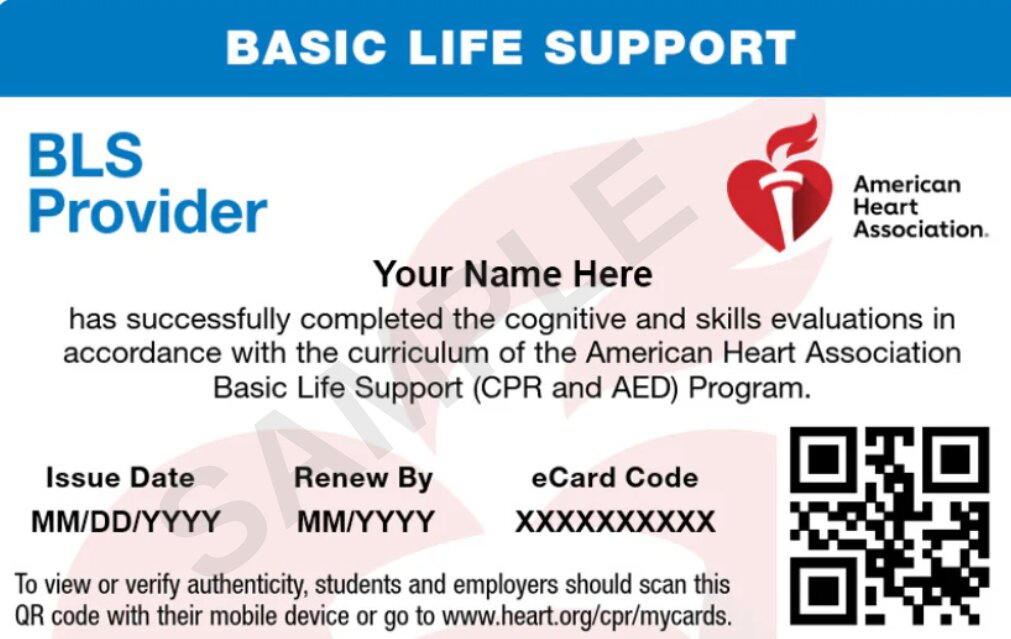
New York CPR Classes provides AHA BLS, ACLS, and PALS certification and renewal courses for healthcare professionals. Complete the online learning portion at your own pace, then schedule an in-person skills assessment to demonstrate your CPR and emergency response skills. After successfully completing both requirements, you can receive your nationally recognized AHA eCard, accepted by healthcare employers across the United States.
Frequently Asked Questions
Can a Heart Restart Without an AED?
Yes. In some cases, CPR and emergency medical treatment can help restore an effective heart rhythm without using an AED. However, shockable rhythms such as ventricular fibrillation usually require defibrillation to restore a normal rhythm.
How Long After Your Heart Stops Can You Be Resuscitated?
Resuscitation can be successful even several minutes after the heart stops, especially when CPR begins immediately. Brain damage can start within about 4 to 6 minutes without blood flow, but there is no fixed time limit for successful resuscitation. CPR and early defibrillation can help maintain circulation and improve the chances of survival until advanced medical treatment is available.
Is It Painful When the Heart Stops?
Cardiac arrest usually causes sudden unconsciousness within seconds, so the person is generally unaware of what happens afterward. However, they may experience chest pain or discomfort before losing consciousness, depending on what caused the cardiac arrest.
Can Adrenaline Restart a Stopped Heart?
Adrenaline, also called epinephrine, can help during cardiac arrest by increasing blood flow to the heart and brain during CPR. It may improve the chances of restoring circulation, but it does not directly restart the heart or replace CPR and defibrillation when needed.
How Long Does It Take for a Heart to Restart?
There is no fixed time for the heart to restart during resuscitation. Some people regain a heartbeat within minutes of CPR and defibrillation, while others require longer emergency treatment. The outcome depends on the cause of cardiac arrest, the heart rhythm, and how quickly treatment begins.
Can a Heart Be Restarted After Flatline?
Yes, but not with a defibrillator shock. A flatline, known as asystole, is a nonshockable rhythm. Treatment involves CPR, medications such as epinephrine, and identifying and treating the underlying cause. In some cases, these measures can help restore the heart’s electrical activity and circulation.