
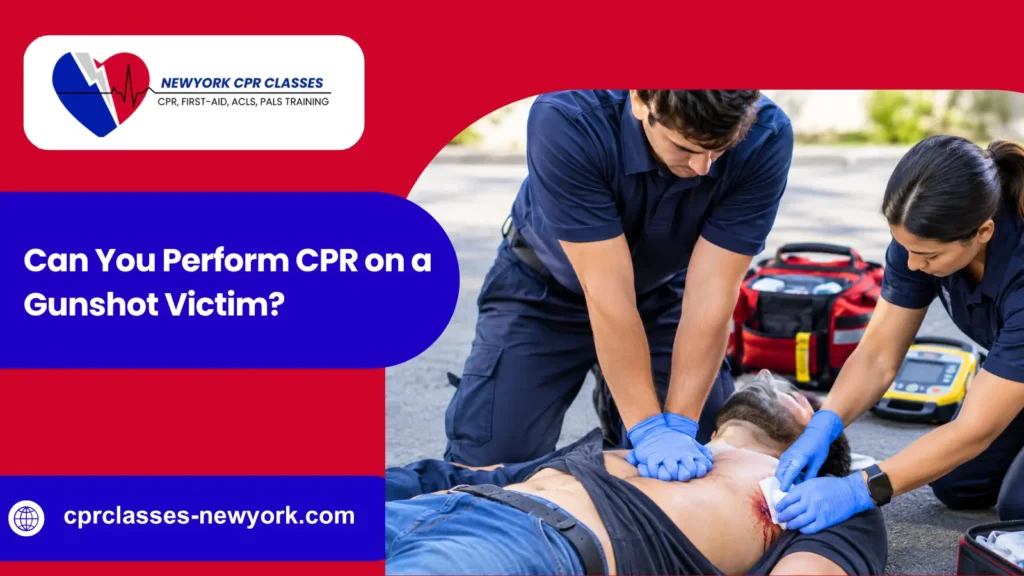
Yes, you can perform CPR on a gunshot victim if the person is unresponsive and not breathing normally. However, severe bleeding must also be addressed, as significant blood loss can lead to cardiac arrest and requires immediate medical attention.
The appropriate emergency response depends on the victim’s condition and the location of the gunshot wound. This guide explains when CPR is necessary after a gunshot injury, how to perform CPR on a gunshot victim, how to control severe bleeding, and common mistakes to avoid.
When Is CPR Necessary After a Gunshot Injury?
CPR is necessary after a gunshot injury when the victim is unresponsive and not breathing normally or is only gasping. These are signs of cardiac arrest, which requires immediate CPR and emergency medical assistance.
A gunshot wound can cause severe blood loss, damage to the heart or major blood vessels, and other traumatic injuries that may lead to cardiac arrest. However, not every gunshot victim needs CPR. The appropriate response depends on the person’s condition:
- Responsive and breathing normally: Do not perform CPR. Control severe bleeding and monitor the victim.
- Unresponsive but breathing normally: Do not perform CPR. Monitor breathing and wait for emergency medical assistance.
- Unresponsive and not breathing normally: Begin CPR immediately, use an AED if available, and address life-threatening bleeding.
Important: If multiple rescuers are present, one should provide CPR while another controls severe bleeding. Do not delay emergency medical assistance.
What Should You Do First When Someone Has Been Shot?
First, make sure the scene is safe and contact emergency medical services. Do not approach the victim if the shooter may still be present or another immediate danger exists.
Once the scene is safe, follow these emergency response steps:
- Call Emergency Services: Call 911 in the United States or your local emergency number. Explain that someone has suffered a gunshot injury and provide the exact location.
- Check Responsiveness and Breathing: Speak to the victim and check whether they respond and breathe normally. Look for signs of severe blood loss.
- Control Life-Threatening Bleeding: Apply firm, direct pressure to accessible external bleeding wounds. Use wound packing or a tourniquet when appropriate and within your training.
- Begin CPR if Necessary: If the victim is unresponsive and not breathing normally, begin CPR and use an AED if available.
- Monitor the Victim: Watch for changes in breathing and responsiveness, continue appropriate first aid, and follow the emergency dispatcher’s instructions.
How to Perform CPR on a Gunshot Victim
CPR should begin when a gunshot victim is unresponsive and not breathing normally. The following steps explain how to provide adult CPR while emergency medical services are on the way.
Step 1: Check Responsiveness and Breathing
Tap the victim’s shoulders and shout to check for a response. Look for normal breathing.
Do not spend more than 10 seconds checking breathing. Occasional gasping is not normal breathing and may indicate cardiac arrest.
Step 2: Call Emergency Services
Call 911 or ask someone nearby to call. Request an ambulance and explain that the victim has a gunshot injury and may be experiencing cardiac arrest.
Put your phone on speaker if possible so you can follow the dispatcher’s instructions while providing care.
Step 3: Position the Victim on Their Back
If the victim is unresponsive and not breathing normally, position them on their back on a firm, flat surface when it is safe to do so.
Avoid unnecessary movement, but do not delay CPR when cardiac arrest is suspected.
Step 4: Begin Chest Compressions
Place the heel of one hand in the center of the victim’s chest, on the lower half of the breastbone. Place your other hand on top and interlock your fingers.
Keep your arms straight and position your shoulders directly above your hands.
For an adult, perform chest compressions at the following rate and depth:
- Rate: 100 to 120 compressions per minute.
- Depth: At least 2 inches (5 cm), while avoiding depths greater than 2.4 inches (6 cm).
- Chest recoil: Allow the chest to return to its normal position after each compression.
Step 5: Provide Rescue Breaths if Trained
If you are trained and able to provide rescue breaths, perform 30 chest compressions followed by 2 rescue breaths.
Each breath should last approximately one second and produce visible chest rise.
If you are untrained or unable to provide rescue breaths, continue Hands-Only CPR by performing continuous chest compressions.
Step 6: Use an AED if Available
Ask someone to bring an automated external defibrillator (AED).
Turn it on and follow its voice instructions. Attach the electrode pads to the victim’s bare chest according to the diagrams on the pads.
Make sure nobody touches the victim while the AED analyzes the heart rhythm or delivers a shock.
An AED determines whether a shock is needed. Follow its instructions and resume CPR immediately when prompted.
Step 7: Continue CPR Until Help Arrives
Continue chest compressions and rescue breaths, if trained, until:
- Emergency medical personnel take over.
- The victim shows signs of life and begins breathing normally.
- The scene becomes unsafe.
- You are physically unable to continue.
If another trained rescuer is available, switch compressors every two minutes to reduce fatigue and maintain effective compressions.
Important: If the victim has severe external bleeding, it must be controlled alongside CPR. If another responder is available, have them manage the bleeding while you continue chest compressions.
How to Stop Severe Bleeding From a Gunshot Wound
Severe bleeding is one of the most immediate threats following a gunshot injury. A victim can lose a dangerous amount of blood within minutes, particularly when a bullet damages a major blood vessel.
The way you control bleeding depends on where the gunshot wound is located and how severe the bleeding is.
1. Apply Direct Pressure
For an accessible external wound, use a clean cloth, gauze, or dressing to apply firm, continuous pressure.
Maintain pressure until the bleeding stops or emergency responders take over. Do not repeatedly lift the dressing to check the wound.
2. Pack Deep Wounds When Appropriate
If the wound is deep and suitable for packing, use gauze or a hemostatic dressing to fill the wound cavity and apply firm pressure.
Wound packing can help control severe bleeding from deep wounds in areas such as the limbs, groin, or armpit, where a tourniquet cannot be applied.
Do not pack wounds of the chest, abdomen, or other body cavities.
3. Apply a Tourniquet for Severe Arm or Leg Bleeding
If a gunshot wound causes life-threatening bleeding from an arm or leg, use a commercial tourniquet if available.
Place it above the wound, avoiding joints, and tighten it until the bleeding stops. Do not loosen or remove an applied tourniquet. Inform emergency responders of the exact time the tourniquet was applied.
Tourniquets are intended for severe bleeding from the extremities, not wounds to the chest or abdomen.
4. Keep the Victim Warm
After addressing immediate bleeding, help prevent heat loss by covering the victim with a blanket or other available covering.
Do not give the victim food or drinks. Continue monitoring their breathing and responsiveness until emergency medical personnel arrive.
Does the Location of a Gunshot Wound Affect CPR?
Yes. The location of a gunshot wound can affect the type of injury, the risk of complications, and the first aid required. Gunshot wounds to the chest, abdomen, head, neck, and extremities can cause different forms of internal or external damage.
However, the basic CPR indications remain the same regardless of the wound location. If the victim is unresponsive and not breathing normally, begin CPR and activate emergency medical services. At the same time, consider the specific risks associated with the injured area.
CPR on Someone Shot in the Chest
A gunshot wound to the chest can damage the lungs, heart, or major blood vessels, potentially causing severe internal bleeding or a collapsed lung. These injuries can also lead to cardiac arrest.
If the victim is unresponsive and not breathing normally, begin CPR. Avoid applying direct pressure to an open chest wound or tightly sealing it with an airtight dressing. If an appropriate vented chest seal is available, use it according to its instructions and monitor the victim’s breathing.
CPR on Someone Shot in the Abdomen
A gunshot wound to the abdomen can damage internal organs, including the liver, stomach, intestines, and major blood vessels. Internal bleeding may occur even when there is little visible external bleeding.
If the victim is unresponsive and not breathing normally, begin CPR. Do not press deeply on the abdomen, attempt to push exposed organs back inside, or pack the wound. Cover exposed organs loosely with a sterile dressing moistened with clean water or saline, if available, and wait for emergency medical assistance.
CPR on Someone Shot in the Head
A gunshot wound to the head can cause severe brain damage, skull fractures, and significant bleeding. These injuries may affect the victim’s ability to breathe and maintain normal brain function.
If the victim is unresponsive and not breathing normally, begin CPR. Avoid applying pressure directly to exposed brain tissue, skull fragments, or embedded objects. Do not attempt to remove anything from the wound. Contact emergency services immediately and follow dispatcher instructions.
CPR on Someone Shot in the Arm or Leg
Gunshot wounds to the arms or legs can damage muscles, bones, nerves, and major blood vessels. Severe external bleeding is a major concern, particularly when an artery is injured.
If the victim is unresponsive and not breathing normally, begin CPR while addressing life-threatening bleeding. Apply firm direct pressure to the wound. If an arm or leg is bleeding heavily and direct pressure does not stop the bleeding, use a commercial tourniquet if one is available. Follow the instructions for proper application.
CPR on Someone Shot in the Neck
A gunshot wound to the neck can damage major blood vessels, the airway, and surrounding tissues. Severe bleeding or airway obstruction can quickly become life-threatening.
If the victim is unresponsive and not breathing normally, begin CPR and contact emergency services immediately. Apply careful direct pressure to an external bleeding site without compressing the airway. Do not wrap a bandage tightly around the neck or pack the wound deeply.
Important: Regardless of where the gunshot wound occurs, do not delay CPR when cardiac arrest is suspected. If multiple rescuers are available, one should provide CPR while another controls severe external bleeding.
What Should You Avoid When Performing CPR on a Gunshot Victim?
Providing the wrong type of first aid can worsen an existing injury. Avoid these common mistakes:
- Do not approach an unsafe scene: Make sure there is no ongoing threat before attempting to help.
- Avoid performing CPR on someone who is breathing normally: CPR is intended for cardiac arrest, not every gunshot injury.
- Do not delay emergency services: Contact professional medical assistance immediately.
- Never ignore severe bleeding: Controlling major blood loss is essential, even when CPR is required.
- Avoid removing embedded objects: Removing bullets or other objects from wounds can worsen bleeding and tissue damage.
- Never pack chest or abdominal wounds: Wound packing is not appropriate for these body cavities.
- Avoid tightly sealing open chest wounds: An airtight dressing can trap air inside the chest cavity.
- Do not stop CPR unnecessarily: Continue until professional responders take over or another appropriate stopping condition occurs.
Can CPR Save Someone Who Has Been Shot?
Sometimes, CPR can help save someone who has been shot, particularly when the victim experiences cardiac arrest. Chest compressions help circulate blood to the brain and other vital organs while emergency medical care is being arranged. However, CPR cannot repair physical damage caused by a bullet, such as a torn heart, injured lungs, damaged major blood vessels, or other serious organ injuries.
The victim’s chances of survival depend on the severity and location of the injuries, the amount of blood lost, and how quickly advanced trauma care is provided. Treatment may require emergency surgery to repair damaged tissues and organs, blood transfusions to replace lost blood, and other hospital interventions.
If a gunshot victim is unresponsive and not breathing normally, begin CPR while addressing severe external bleeding when possible. Continue until emergency medical personnel take over.
Should You Perform CPR on a Gunshot Victim?
Yes. A person who has been shot may still benefit from CPR, and bystanders should not automatically avoid helping out of fear of causing further harm. If the victim is unresponsive and not breathing normally, CPR is an appropriate emergency response. Chest compressions may help maintain circulation while the victim awaits advanced medical care.
Another concern that can prevent people from helping is the fear of being sued or held legally responsible if the victim dies or their condition worsens after receiving emergency assistance. In the United States, Good Samaritan laws generally protect individuals who voluntarily provide emergency assistance in good faith. These laws apply in all 50 states, although the scope of protection and specific exceptions differ.
Call 911, explain what happened, follow the dispatcher’s instructions, and provide only the emergency care you are trained to perform.
When Should You Stop CPR on a Gunshot Victim?
You should stop CPR when one of the following conditions occurs:
- Emergency medical personnel arrive and take over resuscitation.
- The victim starts breathing normally and shows signs of recovery.
- You become physically unable to continue CPR.
- The scene becomes unsafe for you to continue assisting.
- A qualified medical professional or emergency dispatcher instructs you to stop.
If the victim starts breathing normally, stop chest compressions, monitor their condition, and follow the emergency dispatcher’s instructions.
Do not stop CPR simply because the victim has suffered a gunshot injury or the initial compressions do not appear to be working.
Final Thoughts
A gunshot injury can cause severe bleeding, internal damage, and cardiac arrest. If the victim is unresponsive and not breathing normally, starting CPR can help maintain blood circulation until emergency medical personnel arrive. Do not let fear of making a mistake stop you from helping someone who needs emergency care. Controlling severe bleeding, contacting emergency services, and following proper CPR procedures are also essential parts of the response.
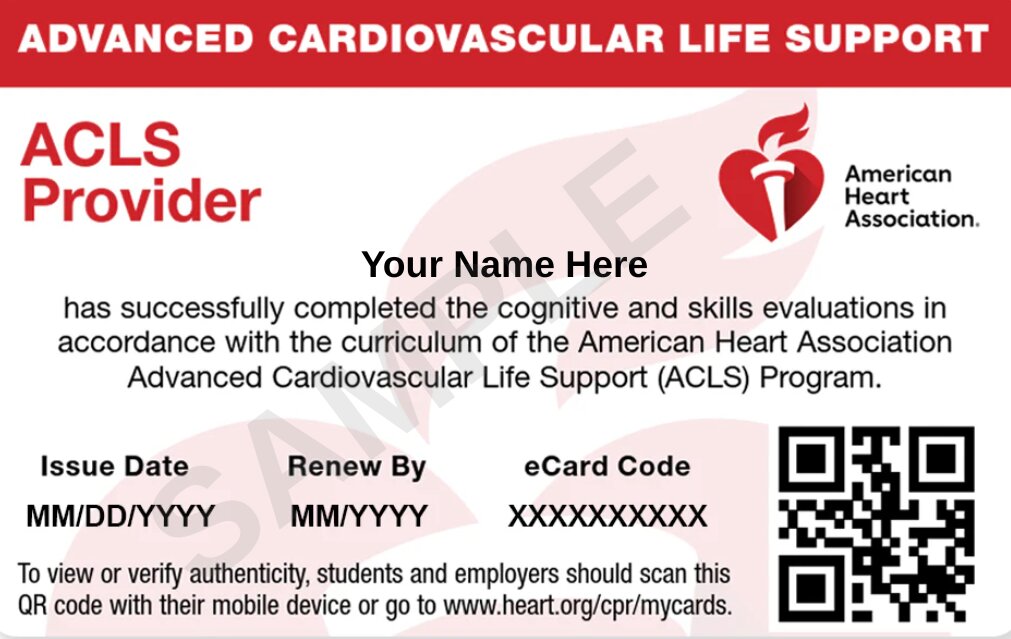
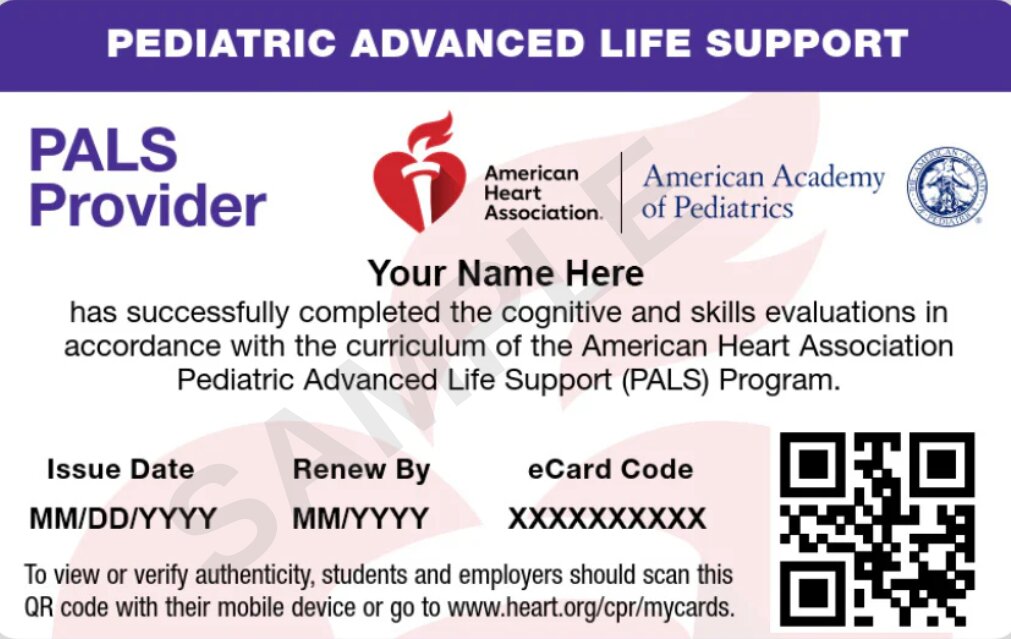
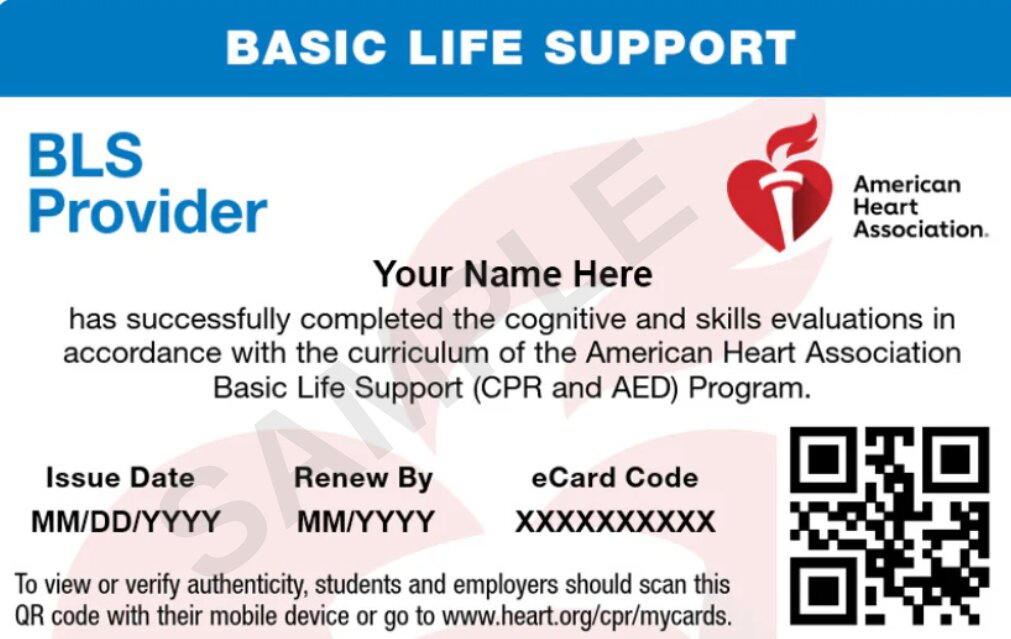
New York CPR Classes provides American Heart Association (AHA) BLS, ACLS, and PALS training for individuals who want to develop essential lifesaving skills. Courses include online learning and in-person skills assessments, helping participants practice CPR techniques and respond more confidently to emergencies. Participants receive a nationally recognized AHA eCard after completing the course and passing the required skills assessment.
Frequently Asked Questions
How Do You Treat a Gunshot Wound in the Field?
Call 911, apply firm direct pressure to control bleeding, and use a tourniquet for severe arm or leg bleeding when appropriate. Keep the victim still and monitor their breathing until emergency medical help arrives.
How Do You Treat a Bullet Wound at Home?
A gunshot wound requires immediate emergency medical care, even if it appears minor. Call 911, control external bleeding with direct pressure, and do not attempt to remove bullets or treat the injury at home.
How Long Can You Perform CPR on a Gunshot Victim?
Continue CPR until emergency medical personnel take over, the victim shows signs of life, you become physically unable to continue, or the scene becomes unsafe.
How Do You Pack a Gunshot Wound?
For deep wounds in the groin or armpit, use gauze to fill the wound and apply firm, steady pressure to control bleeding. Use hemostatic gauze if available. Do not pack wounds in the chest or abdomen.
What Happens When You Get Shot?
A bullet can damage skin, tissues, blood vessels, bones, and internal organs. Depending on the injury, it can cause severe bleeding, organ damage, shock, or cardiac arrest. Immediate medical treatment is essential.