
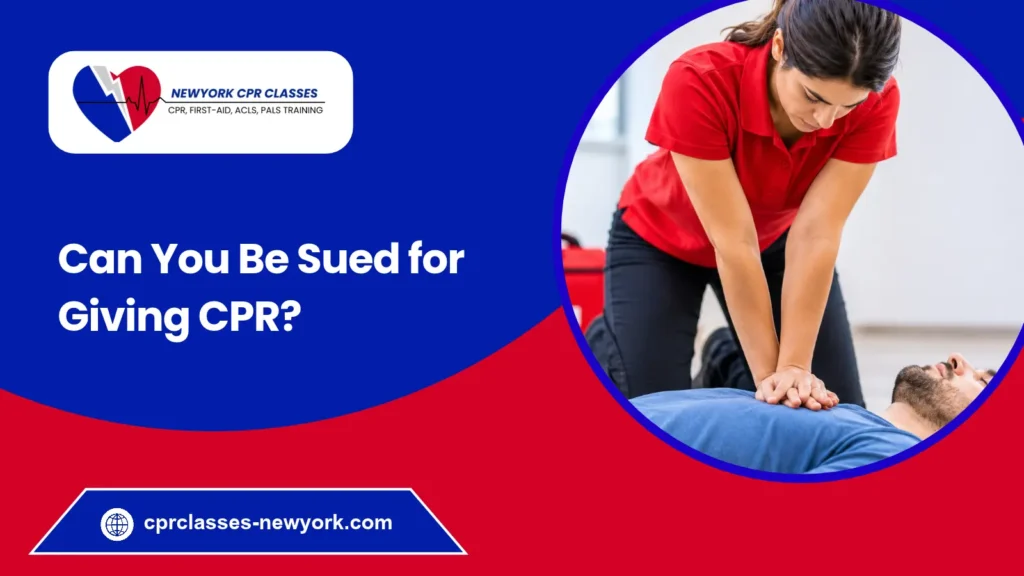
When someone experiences sudden cardiac arrest, performing CPR can be the difference between life and death. However, the fear of causing an injury or facing legal consequences can make people hesitate to step in and help.
While you can be sued for giving CPR, that does not automatically mean you will be held legally responsible. Good Samaritan laws in all 50 U.S. states generally protect people who voluntarily provide emergency assistance in good faith.
This guide explains the legal risks of performing CPR, how Good Samaritan laws protect rescuers, and what steps to take if you face a legal claim after providing emergency assistance.
In What Situations Can You Face Legal Liability for Performing CPR?
Although CPR is performed to save someone’s life, certain actions or circumstances could lead to legal claims. A person may face legal liability in situations such as:
- Gross negligence: Acting with reckless disregard for the person’s safety rather than making an ordinary mistake while performing CPR.
- Intentional harm: Deliberately causing injury to someone instead of attempting to provide emergency assistance.
- Performing procedures beyond your training: Attempting unnecessary medical procedures or actions beyond your level of competence.
- Failing to meet legal requirements: Providing assistance in circumstances where the applicable legal protections do not cover the rescuer’s actions.
- Violating professional responsibilities: Healthcare professionals providing care as part of their regular duties may be subject to professional standards and medical malpractice laws.
- Causing injuries through unreasonable actions: Although broken ribs and other chest injuries can occur during CPR, performing compressions incorrectly or acting unreasonably could raise legal concerns.
- Failing to revive the person: A person may not recover or may die despite your efforts to perform CPR. This outcome alone does not mean you can be held legally responsible for attempting to help.
How Do Good Samaritan Laws Help Protect CPR Rescuers?
Good Samaritan laws help protect people who voluntarily provide CPR during an emergency from certain legal claims.
All 50 U.S. states have Good Samaritan laws, but their specific protections and requirements vary by state. However, their main purpose is the same: to encourage people to provide emergency assistance without fearing automatic legal consequences if the person is injured or does not survive.
These laws recognize CPR as an emergency lifesaving effort and help protect rescuers who act in good faith and provide reasonable assistance from certain legal claims.
5 Conditions You Must Meet to Receive Good Samaritan Protection
Good Samaritan laws vary across the United States. However, certain conditions commonly determine whether a person qualifies for legal protection when providing emergency CPR.
1. The Situation Must Involve a Medical Emergency
Good Samaritan protections generally apply when someone provides assistance during an unexpected emergency, such as cardiac arrest, sudden unconsciousness, or a serious accident.
Example: If you witness an adult collapse in a public place, check their responsiveness, call 911, and start CPR if they are unresponsive and not breathing normally. This is the type of emergency in which Good Samaritan protections may apply.
2. You Must Provide Assistance Voluntarily
You must provide assistance voluntarily, not as part of your regular job duties or professional responsibilities.
Example: Under New York Public Health Law § 3000-a, a person who voluntarily provides first aid or emergency treatment at the scene of an accident or other emergency may qualify for protection under the statute.
3. You Must Not Expect Monetary Compensation
Good Samaritan protection generally applies when you provide emergency assistance without expecting payment or financial compensation.
Example: If you stop to perform CPR on an injured person after witnessing a car accident and do not expect payment for helping, you may qualify for protection under the applicable law.
4. You Must Act Reasonably and Avoid Gross Negligence
You should provide assistance in good faith and follow appropriate emergency procedures. Good Samaritan laws generally do not protect rescuers from claims involving gross negligence or intentional misconduct.
Example: Performing chest compressions according to recognized CPR guidelines is reasonable emergency assistance. Intentionally harming someone or acting recklessly in a way that puts their safety at risk may remove your legal protection.
5. The Person Must Consent to Your Help
You should obtain consent before providing CPR or other emergency assistance if the person is conscious and able to make decisions. If the person is unconscious or unresponsive and cannot give consent, implied consent generally allows you to provide emergency care.
Example: If someone collapses and becomes unresponsive, you can begin CPR after checking for normal breathing and calling 911. However, if the person is conscious and clearly refuses assistance, you should respect their decision.
Can Healthcare Professionals Receive Good Samaritan Protection?
Yes, healthcare professionals can receive Good Samaritan protection, but the rules may differ from those that apply to lay rescuers. Whether they qualify for protection depends on their professional role, whether they were already responsible for providing care, and where and when the emergency occurred.
For example, a nurse who voluntarily performs CPR on someone who collapses in a public place may qualify for legal protection. However, a nurse treating a patient as part of their regular hospital duties generally cannot rely on ordinary Good Samaritan protections for that professional care.
What Do Studies Reveal About CPR-Related Lawsuits?
Research on CPR-related lawsuits provides useful context for people concerned about legal liability when helping someone during cardiac arrest.
A 2020 study published in the journal Resuscitation, titled “Risk and ROSC: Legal implications of bystander CPR,” examined legal cases involving CPR across the United States.
Researchers examined legal records from across the United States spanning 1989 to 2019.
The study identified:
- 506 legal cases reviewed by researchers.
- 170 cases directly related to CPR.
- 167 cases involving allegations related to inadequate or delayed bystander CPR.
- 3 cases alleging harm from someone providing CPR.
These findings highlight an important distinction: the legal cases identified by the researchers were overwhelmingly associated with inadequate or delayed CPR rather than injuries allegedly caused by providing CPR.
The researchers concluded that concerns about being sued for providing bystander CPR should not discourage people from responding to cardiac emergencies.
Can You Be Sued if Someone Dies After You Perform CPR?
A person can file a wrongful death lawsuit after someone dies, including when CPR was performed before the person’s death. However, the fact that someone dies after receiving CPR does not automatically make the rescuer legally responsible.
CPR is an emergency procedure used when a person’s heart has stopped pumping effectively. Its purpose is to maintain blood circulation and provide a chance of survival until advanced medical treatment becomes available.
Not every cardiac arrest is survivable. The outcome can depend on factors such as:
- The underlying cause of cardiac arrest.
- How quickly CPR begins.
- How long it takes for an AED or emergency medical team to arrive.
- The person’s existing medical condition.
- Whether the heart rhythm can be restored.
A rescuer should not be considered legally responsible simply because CPR did not restore the person’s heartbeat.
Should You Avoid Helping Someone Due to Legal Concerns?
No. Fear of legal consequences should not stop you from helping someone experiencing cardiac arrest. More than 350,000 cardiac arrests occur outside hospitals in the United States each year, often in homes, workplaces, and public places. Many of these emergencies depend on someone nearby recognizing the situation and taking action.
Think about what you would want someone to do if a family member or loved one suddenly collapsed from cardiac arrest and needed CPR. You would want them to step forward and help, not stand back out of fear. The same applies when you encounter someone in an emergency. Your willingness to help could give that person another chance at life.
How Can You Reduce Legal Risks When Performing CPR?
Although Good Samaritan laws offer important protection, following appropriate emergency response practices can help reduce potential legal concerns.
Here are some practical steps to follow when responding to a cardiac emergency.
1. Confirm the Emergency
Check whether the person is responsive and breathing normally. If the person is unresponsive and not breathing normally or is only gasping, treat the situation as a possible cardiac arrest.
2. Call 911 Immediately
Call 911 immediately. If other people are nearby, ask one person to call emergency services and another to bring the nearest AED.
3. Follow Recognized CPR Guidelines
Begin CPR using the appropriate technique for the person’s age and condition. For adult CPR, place both hands in the center of the chest and perform compressions at a rate of 100 to 120 per minute.
Use an AED if one is available, and follow its voice prompts.
4. Avoid Actions Outside Your Training
Provide assistance within your training and follow instructions from emergency dispatchers. Do not attempt unfamiliar medical procedures that are not appropriate for the emergency.
5. Continue Until Help Arrives
Continue CPR until the person shows signs of life, trained emergency responders take over, the scene becomes unsafe, or you are physically unable to continue.
Enrolling in a CPR class helps you learn the correct steps to respond to emergencies and perform CPR safely and confidently.
What Should You Do If Someone Sues You for Performing CPR?
Being sued after performing CPR can be stressful, especially when you were only trying to save someone’s life. If you face a legal claim, take the following steps:
- Stay calm and avoid direct arguments: Do not argue with the person making the claim or say anything that could be taken the wrong way.
- Contact an attorney: Contact a lawyer who handles personal injury or medical liability cases. They can explain your legal rights and advise you on how to respond to the claim.
- Document what happened: Write down everything you remember, including when the emergency occurred, what actions you took, and whether you followed the 911 dispatcher’s instructions.
- Preserve available evidence: Keep relevant messages, photographs, witness contact details, and any other records related to the incident.
- Identify witnesses: If anyone saw you perform CPR, record their contact information. Their statements may help establish what happened.
- Review applicable Good Samaritan protections: Ask your attorney whether the state’s Good Samaritan law applies to your situation and whether you meet its requirements.
- Respond to Legal Notices Without Delay: Do not ignore court papers, legal notices, or deadlines. Follow your attorney’s guidance when preparing a response.
Get CPR Certified and Be Ready to Respond
Performing CPR during an emergency involves more than knowing the steps. You should also understand how to respond appropriately, what legal protections may apply, and how to handle potential legal concerns. Proper CPR training helps you develop the skills to provide emergency assistance safely and confidently.
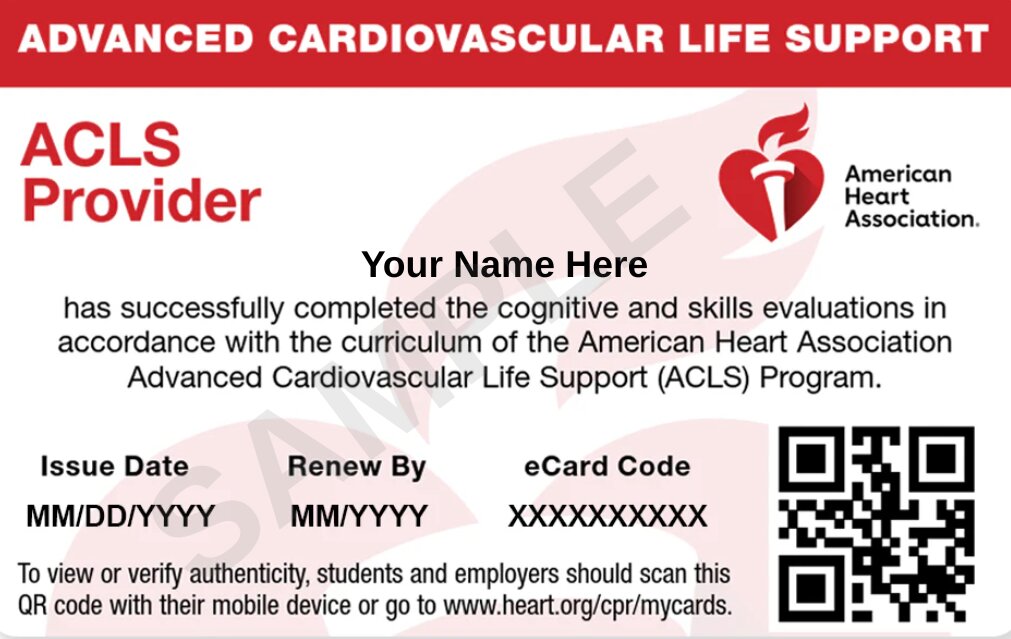
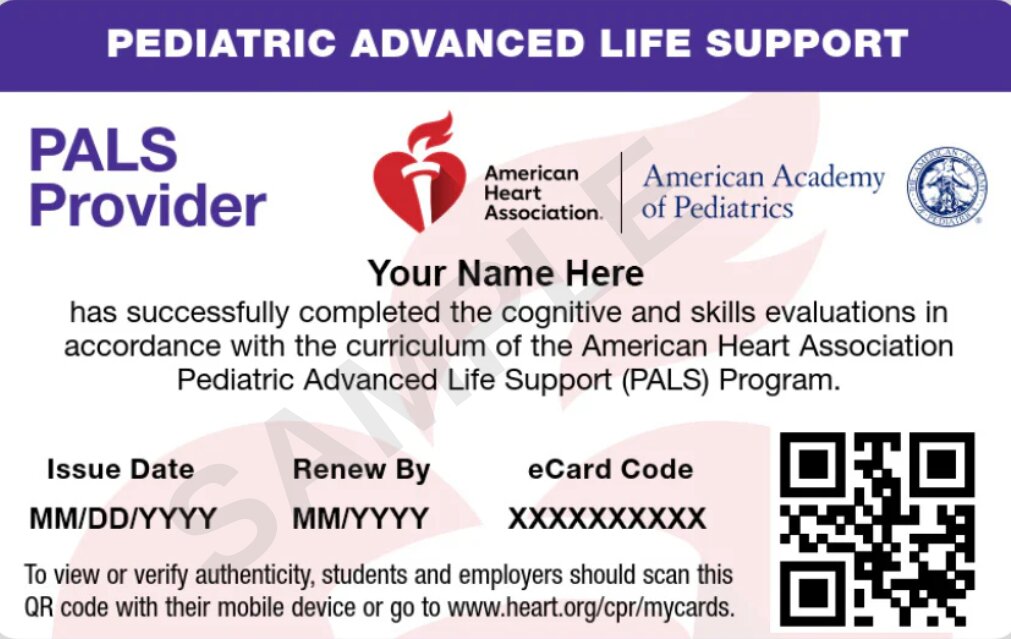
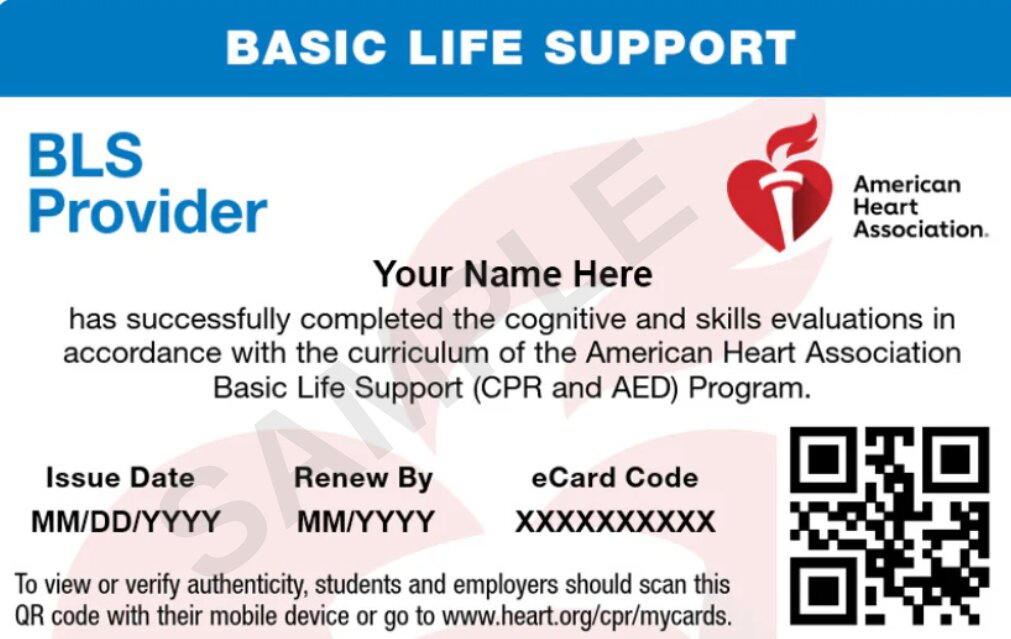
New York CPR Classes offers American Heart Association (AHA) BLS, ACLS, and PALS courses for healthcare professionals. We offer multiple training locations throughout New York, so you can find a class close to you. Complete your course and skills assessment to receive a nationally recognized AHA eCard on the same day.
Frequently Asked Questions
Can You Be Sued for Not Performing CPR?
Generally, bystanders in the United States are not legally required to perform CPR on a stranger during an emergency. However, certain individuals may have a legal duty to provide assistance because of their professional responsibilities or an existing relationship with the person in need. Failing to meet that duty may lead to legal consequences, depending on the circumstances.
Do You Need Consent Before Performing CPR?
You generally do not need to obtain verbal consent before performing CPR on someone who is unconscious and unable to respond. In an emergency, the law generally recognizes implied consent for necessary lifesaving care when the person cannot make or communicate a decision. If the person is conscious and able to respond, ask for consent before providing assistance.
How Many People Have Been Sued for Giving CPR?
A 2020 study found only three U.S. legal cases in which people were accused of causing harm by performing CPR. However, the study did not establish the total number of people sued for giving CPR.
Has Anyone Been Successfully Sued for Giving CPR?
There are no widely documented cases of a bystander being held legally responsible for injuries caused by performing CPR in good faith in the United States. However, a bystander could still face a lawsuit under certain circumstances.
Can You Get Sued for Breaking Someone’s Ribs During CPR?
Breaking someone’s ribs during CPR does not automatically make you legally liable. New York’s Good Samaritan law may protect you from liability when you provide emergency assistance in good faith and meet the law’s requirements.
Can You Be Sued for Giving CPR to a Woman?
Although people may worry about legal trouble when giving CPR to a woman, there is little evidence of bystanders being successfully sued for providing CPR in good faith. New York’s Good Samaritan law protects people who provide emergency help in good faith.
Can a Man Give CPR to a Woman?
Yes, a man can give CPR to a woman experiencing cardiac arrest. CPR is a lifesaving procedure, and concerns about gender should not delay emergency care.
What Protects Laypeople When They Perform CPR?
Good Samaritan laws protect laypeople who voluntarily perform CPR in an emergency and act in good faith. These laws generally provide legal protection against liability for unintentional harm, provided they act within the scope of their training and do not engage in gross negligence or willful misconduct.