
A person may still have a heartbeat even after they stop breathing, which means they need immediate help to get oxygen into their lungs. In this situation, knowing whether to provide rescue breathing or begin CPR is essential to help prevent the condition from progressing to cardiac arrest.
This guide explains what to do when someone has a pulse but is not breathing normally, when to give rescue breaths instead of chest compressions, and what to do if their pulse disappears.
What Does It Mean When Someone Has a Pulse but Is Not Breathing?
A pulse without normal breathing means the heart may still be circulating blood, but the lungs aren’t supplying enough oxygen. This condition is called respiratory arrest, which means the person has stopped breathing even though their heart may still be beating.
Respiratory arrest can progress to cardiac arrest if the body continues to receive insufficient oxygen. As oxygen levels drop, the brain, heart, and other vital organs become increasingly affected, raising the risk of permanent injury. Although a pulse may still be present initially, the person’s condition can deteriorate rapidly if normal breathing is not restored.
What Situations Can Cause a Pulse but No Breathing?
Several medical conditions and emergencies can cause a person to stop breathing while their heart continues to beat temporarily. Some of the situations are:
1. Opioid Overdose
An opioid overdose can suppress the brain’s control of breathing, causing breathing to become slow, shallow, or stop completely. The heart may still pump blood, but without normal breathing, the lungs cannot supply enough oxygen to the blood.
2. Choking or Airway Obstruction
Choking happens when food or another object blocks the airway, preventing air from reaching the lungs. If the blockage completely stops air from reaching the lungs, the person may stop breathing while their heart continues to beat for a short time.
3. Drowning
Drowning occurs when a person cannot breathe properly after being submerged in or exposed to liquid, preventing enough oxygen from reaching the lungs. Severe oxygen deprivation can lead to respiratory arrest while the heart continues to beat temporarily.
4. Severe Asthma
A severe asthma attack narrows the airways, making it harder for air to reach the lungs. In severe cases, breathing may become ineffective or stop completely, leading to respiratory arrest.
5. Head Injury
A serious head injury can damage areas of the brain responsible for controlling breathing. This damage may cause irregular breathing or stop breathing entirely while the heart continues to beat.
6. Medication-Related Respiratory Depression
Certain medications, including sedatives, opioids, and anesthetics, can suppress the central nervous system and reduce the body’s drive to breathe. Severe respiratory depression can cause breathing to stop even when a pulse remains present.
What Should You Do If Someone Has a Pulse but Is Not Breathing?
Don’t assume the person is okay just because they have a pulse. Absent or abnormal breathing can quickly lead to cardiac arrest.
1. Check Responsiveness
Tap the person’s shoulders and shout to determine whether they respond. If the person is unresponsive, check their breathing and activate emergency services immediately.
2. Call Emergency Services
Ask someone to call 911 in the United States and bring an automated external defibrillator (AED), if available. If you are alone, use a mobile phone on speaker mode to follow the emergency dispatcher’s instructions.
3. Open the Airway
Use the head/tilt-chin/lift maneuver to open the airway. If a head or neck injury is suspected, a trained healthcare professional may use an alternative airway maneuver according to their training.
4. Check Breathing and Pulse
A healthcare professional should check for normal breathing and a definite pulse simultaneously for no more than 10 seconds. Occasional gasps do not count as normal breathing. If the person has a pulse but is not breathing, give rescue breaths to help them get the oxygen they need.
5. Provide Rescue Breaths
If an adult has a pulse but is not breathing normally, provide one rescue breath every 6 seconds to maintain oxygen supply. Each breath should last approximately one second and produce visible chest rise.
6. Monitor for Changes in Condition
Continue giving rescue breaths and monitor the person’s breathing and pulse as directed by your training. If the pulse disappears or a healthcare professional cannot detect a definite pulse within 10 seconds, begin CPR immediately.
Important: Lay rescuers should not delay CPR to check for a pulse. If an adult is unresponsive and not breathing normally, presume cardiac arrest, call emergency services, and begin CPR according to dispatcher instructions.
How to Perform CPR When No Pulse Is Detected
When a person becomes unresponsive and is not breathing normally, immediate CPR can help maintain blood flow until emergency medical help arrives. For lay rescuers, these signs are enough to start CPR without checking for a pulse. The steps differ for adults, children, and infants.
Adult CPR
To perform CPR on an adult, place the heel of one hand in the center of the chest, place your other hand on top, and push down at least 2 inches (5 cm). Maintain a steady pace of 100 to 120 compressions per minute. If you can provide rescue breaths, use 30 compressions followed by 2 breaths. If you are not trained in rescue breathing, perform hands-only CPR and follow the emergency dispatcher’s instructions.
Child CPR
Use one or two hands to compress the chest about 2 inches (5 cm), or one third of its depth, depending on the child’s size. If you are alone, give 30 compressions followed by 2 breaths. When two trained rescuers are available, use 15 compressions followed by 2 breaths. Give rescue breaths carefully, just enough to make the chest rise.
Infant CPR
For an infant under one year old, place two fingers on the breastbone when using the single rescuer technique and compress the chest about 1.5 inches (4 cm). When two trained rescuers are present, use the two-thumb encircling hands technique for chest compressions. Give 15 compressions followed by 2 rescue breaths, and use an AED as soon as one is available.
Performing CPR correctly on adults, children, and infants requires age-appropriate techniques, including proper compression depth and hand placement. You can enroll in an American Heart Association (AHA) BLS certification course to learn these essential skills, including rescue breathing and AED use.
Is Rescue Breathing the Same as CPR?
No. Rescue breathing involves giving breaths to a person whose heart is still beating but who cannot breathe on their own. CPR combines chest compressions with breaths, when appropriate, to maintain circulation and oxygen delivery during cardiac arrest.
| Feature | Rescue breathing | CPR |
| Main purpose | Supply oxygen when breathing has stopped or is inadequate | Maintain blood circulation and oxygen delivery during cardiac arrest |
| Pulse | A definite pulse is present | No definite pulse is detected by a healthcare professional, or cardiac arrest is presumed by a lay rescuer |
| Chest compressions | Not routinely needed while a definite pulse remains | Required during cardiac arrest |
| Breathing support | Regular breaths are provided | Compressions are combined with breaths when appropriate |
| Common situation | Respiratory arrest | Cardiac arrest |
A person may initially experience respiratory arrest and later develop cardiac arrest if oxygen deprivation continues. Prompt rescue breathing and emergency medical care can help prevent this deterioration.
How Often Should You Give Rescue Breaths If There Is a Pulse?
For an adult with a definite pulse who is not breathing normally, the American Heart Association’s 2025 Basic Life Support guidelines recommend one breath every 6 seconds, equivalent to 10 breaths per minute.
Give each breath over approximately one second, using enough air to make the chest visibly rise. Avoid giving breaths too quickly or forcefully, as excessive ventilation can cause harm.
For children and infants, breathing rates and techniques differ from those used for adults. Follow the recommended CPR steps for the child’s age and use the techniques you have been trained to perform.
What If the Person Is Gasping but Has a Pulse?
Gasping does not necessarily mean that a person is breathing adequately. Occasional, irregular gasps, snorting sounds, or labored breaths may be agonal breathing, which can occur during cardiac arrest.
If an adult is unresponsive and only gasping, a lay rescuer should assume cardiac arrest and begin CPR. A healthcare professional should check for a pulse for no more than 10 seconds and start CPR if no definite pulse is detected.
Do not mistake occasional gasps for normal breathing or delay emergency care while waiting for breathing to improve.
Get CPR Certified With New York CPR Classes
The right emergency response skills help you act appropriately when someone has a pulse but is not breathing normally. CPR training helps you assess emergencies, provide life support, and respond when a person’s condition changes.
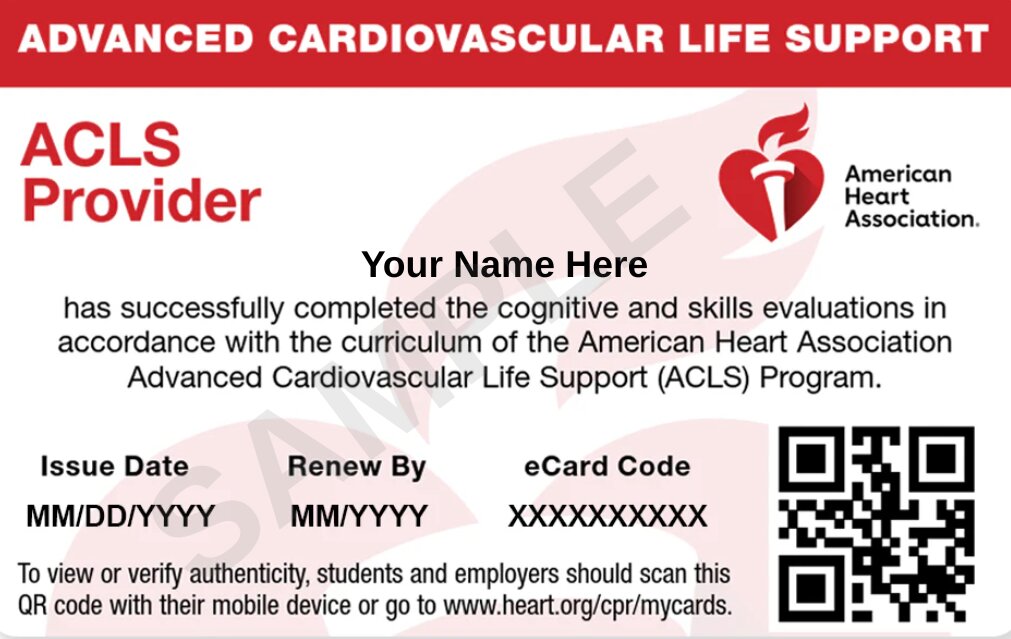
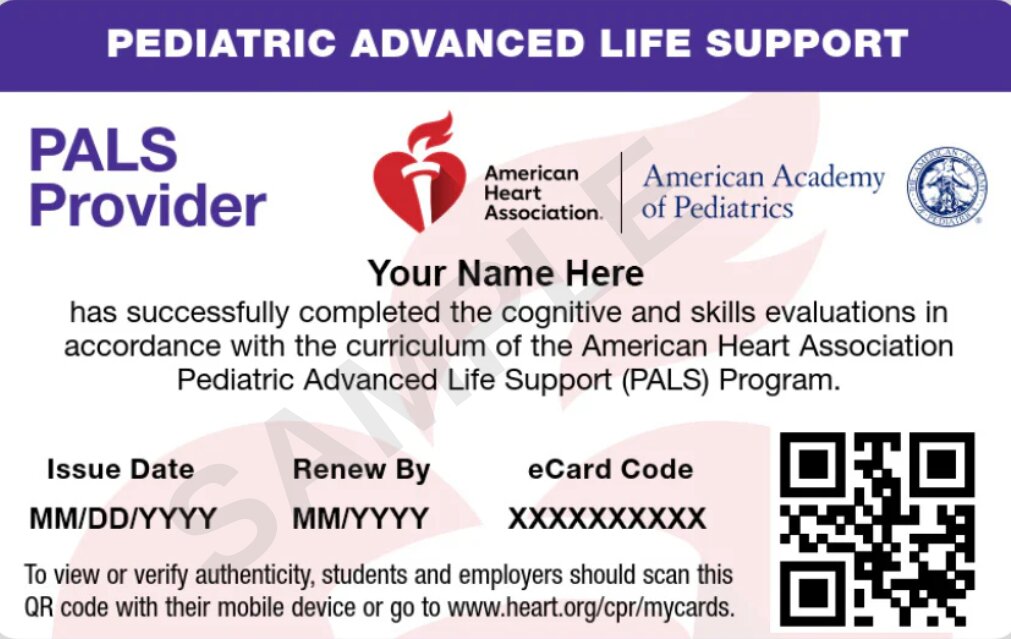
New York CPR Classes offers American Heart Association (AHA) courses, including CPR, Basic Life Support (BLS), Advanced Cardiovascular Life Support (ACLS), and Pediatric Advanced Life Support (PALS). Complete the online coursework before attending an in-person skills session at a convenient New York location to practice essential life-saving techniques. You can receive your nationally recognized AHA certification on the same day you complete your course and skills session.
Frequently Asked Questions
What ventilation rate should be used if a person’s pulse returns after CPR but they are not breathing?
If an adult has a pulse but is not breathing, give one rescue breath every 6 seconds to help them get enough oxygen.
A person is unconscious, not breathing, but has a pulse. What should you do next?
Call emergency services, provide rescue breathing, and monitor the person’s pulse and breathing. If the pulse disappears, begin CPR immediately.
Should you perform chest compressions if a person has a pulse?
No. If the person has a definite pulse but is not breathing normally, provide rescue breathing instead of chest compressions. Begin CPR if the pulse becomes absent.
What first aid should you provide to a person who has a pulse but is not breathing?
Open the person’s airway, provide rescue breaths, and monitor their condition until emergency medical help takes over.
What should you do if an unresponsive adult has a strong pulse but is not breathing normally?
Provide rescue breathing at one breath every 6 seconds and continue monitoring the person’s pulse. A strong pulse does not eliminate the need for immediate respiratory support.