CPR certification is an important credential for many professionals in New York. Healthcare workers, teachers, childcare providers, lifeguards, fitness professionals, and other employees may need current CPR training to meet workplace or professional requirements. Knowing when your certification expires can help you stay compliant and avoid interruptions at work.
Generally, American Heart Association or American Red Cross CPR certification remains valid for two years. However, the exact validity period can depend on the specific course, training provider, employer, and requirements that apply to your profession.
This guide explains how long CPR certification remains valid in New York, when to renew, what happens after expiration, and tips to keep your credentials current.
What Can Affect CPR Certification Requirements in New York?
CPR certification requirements are not identical across all workplaces in New York. The credential you need and how often you must renew it can depend on your occupation, workplace, employer policy, and any regulations that apply to your position.
Several factors may determine which CPR certification you need and how long it remains acceptable:
- Job responsibilities: Roles involving patient care, children, aquatic activities, or emergency response may have specific CPR requirements.
- Employer expectations: A workplace may require a particular certification provider, course, or renewal schedule.
- Professional regulations: Certain licensed or regulated occupations may have CPR requirements connected to their professional standards.
- Facility requirements: Hospitals, schools, childcare centers, camps, fitness facilities, and other organizations can establish their own training requirements.
- New York State rules: Certain occupations and facilities are subject to state-specific CPR and skills assessment requirements.
How Long Does CPR Certification Remain Valid in New York?
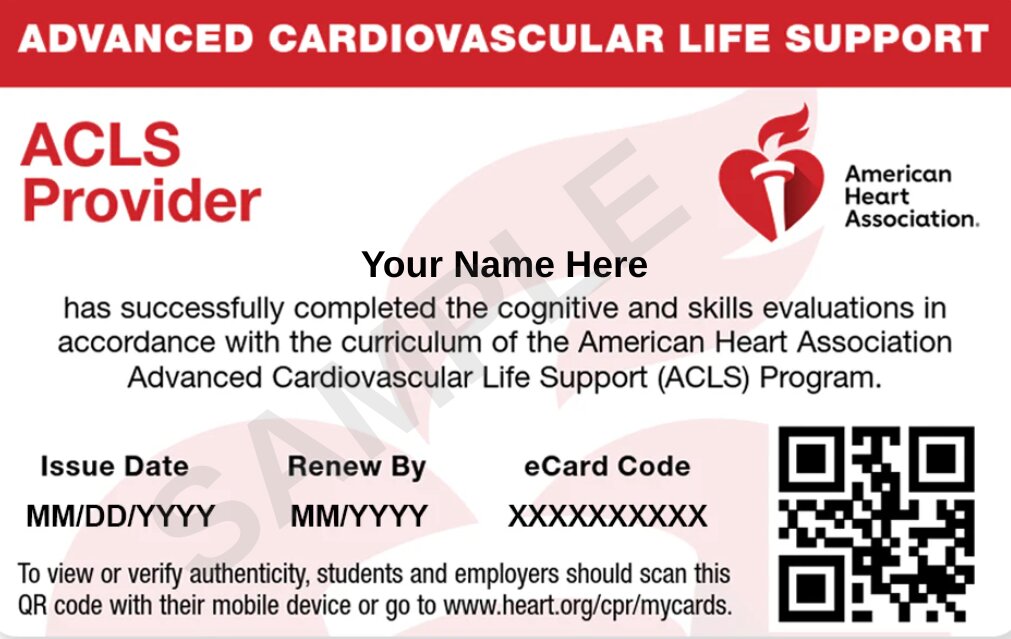
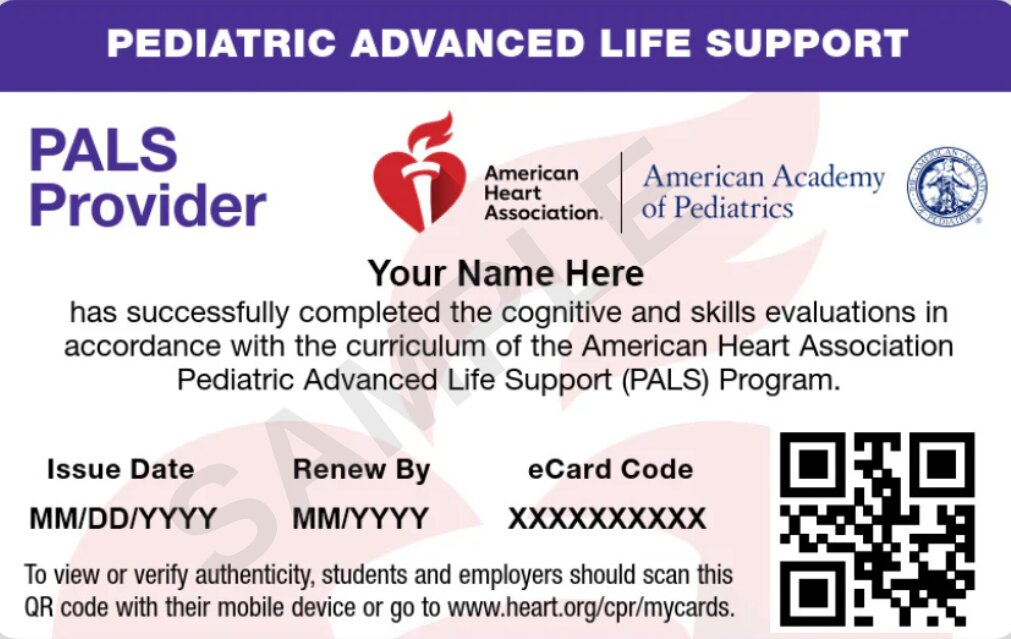
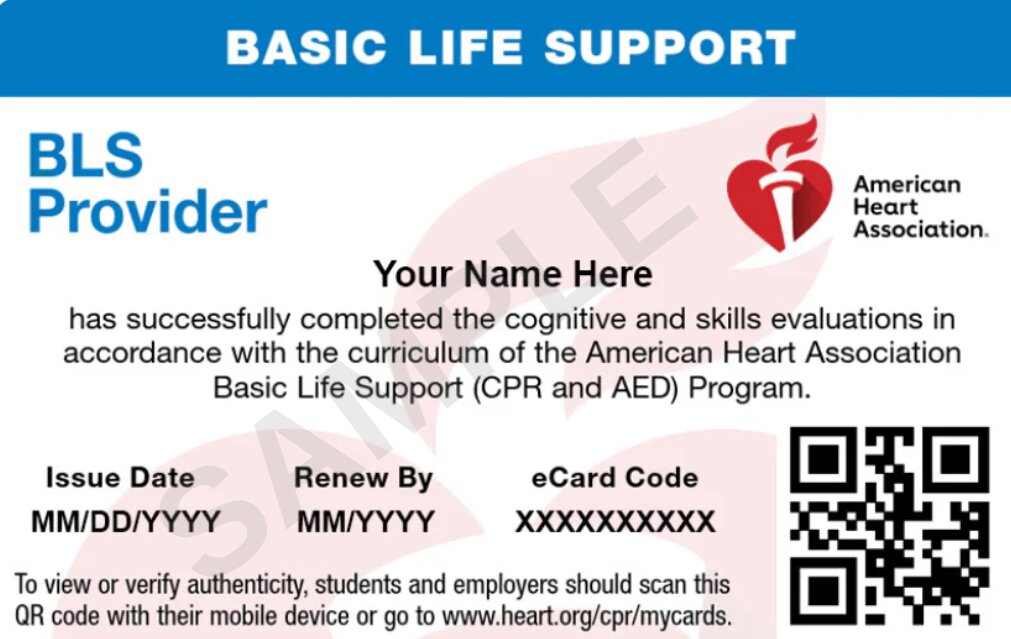
Your American Heart Association or American Red Cross CPR certification generally remains valid for two years after successful course completion. The certification documentation includes the issue date and expiration date, making it easy to check when renewal is required.
The same validity period applies to several CPR and life support credentials, including:
• Heartsaver CPR AED
• Heartsaver First Aid CPR AED
• Basic Life Support (BLS)
• Advanced Cardiovascular Life Support (ACLS)
• Pediatric Advanced Life Support (PALS)
Why Does CPR Certification Have a 2-Year Validity Period?
CPR card has a defined validity period, so certified individuals can periodically review their training and stay familiar with current resuscitation practices. CPR guidelines can change when new medical research provides updated recommendations for how resuscitation and emergency care should be performed.
A defined certification period also helps employers and organizations confirm that a person’s CPR training is still current. In New York, professionals may need to keep their CPR credentials current to satisfy the requirements of their employer, profession, or specific workplace.
What Happens If Your CPR Credentials Expire in New York?
An expired CPR certification means the training is no longer current. What happens next depends on the requirements associated with your job, profession, or workplace in New York.
The situation may involve:
- Work restrictions: Certain employers may require current CPR credentials before allowing employees to perform specific duties.
- Credential verification issues: An expired credential may no longer meet requirements during hiring, onboarding, or workplace compliance checks.
- Additional training: You may need to complete another course or assessment to obtain a current credential, depending on the provider and applicable requirements.
- Professional requirements: Some licensed or regulated positions may require active CPR credentials as part of their professional standards.
When Is the Right Time to Renew CPR Certification in New York?
Renewing before the expiration date listed on your CPR documentation is generally the best approach. An early start gives you time to complete any required training steps and address unexpected delays before your current credential becomes inactive.
The recertification process may differ depending on the training provider and the requirements of your employer or profession. If your credential has already expired, you may need to complete the full course rather than a renewal course, depending on the provider’s policy.
Which Jobs Require Current CPR Certification in New York?
CPR requirements can vary considerably across different workplaces and professions in New York. Various job roles, such as healthcare professionals, emergency responders, teachers, childcare providers, fitness instructors, lifeguards, and workplace safety personnel, may require current CPR credentials.
The specific requirements depend on the responsibilities of the position and the organization’s policies. Some roles may require basic CPR and AED training, while others may require BLS, ACLS, or PALS that aligns with their job responsibilities.
Which CPR Credential Do You Need to Renew in New York?
The right credential to renew depends on the CPR or life support certification currently required for your position. Common credentials include:
Heartsaver CPR AED
This course covers CPR and AED use for adults during a cardiac emergency. The training is commonly relevant to teachers, coaches, fitness professionals, and others who may need to respond to an emergency.
Heartsaver First Aid CPR AED
CPR, AED use, and first aid skills are covered together in this course. The curriculum focuses on responding to common injuries and medical emergencies.
Basic Life Support (BLS)
BLS covers high-quality CPR, AED use, rescue breathing, and team-based resuscitation. The course also emphasizes early recognition of cardiac and respiratory emergencies and a coordinated response during resuscitation.
Advanced Cardiovascular Life Support (ACLS)
ACLS focuses on the assessment and treatment of serious cardiovascular emergencies. Topics include cardiac rhythm recognition, airway management, medications, and coordinated resuscitation.
Pediatric Advanced Life Support (PALS)
PALS equips participants with the skills to recognize and manage serious health emergencies in infants and children. The program covers pediatric assessment, resuscitation, and emergency care.
How to Keep Your CPR Credentials Current in New York
A few practical habits can make it easier to track your CPR credentials and avoid an unexpected expiration.
Here are some useful steps:
- Keep your eCard accessible so you can provide proof of your current credentials when needed.
- Check the expiration date and set a calendar reminder before the credential becomes inactive.
- Review workplace requirements to confirm which credential your employer expects you to maintain.
- Allow enough time for renewal if your role requires current CPR credentials for work.
- Store your training records in a secure place for future employment or compliance checks.
Planning ahead can help you keep your CPR credentials current and have proof of training available when your employer or workplace requires it.
Complete Your CPR Renewal at New York CPR Classes
CPR renewal allows you to update your training before your current credential expires. Completing the required coursework and skills assessment helps ensure that your CPR knowledge and practical skills remain current for your job role. The process may include reviewing CPR techniques, AED use, rescue breathing, and other skills based on the specific course.
New York CPR Classes offers a blended learning option with flexible class times, including morning, daytime, and evening sessions at multiple locations across New York. The online portion can be completed at your own pace before the hands-on skills assessment at a CPR Verification Station, where a voice-assisted manikin provides feedback during the session. After completing all course requirements, your official American Heart Association eCard is issued the same day.
Frequently Asked Questions
Can my employer require me to renew CPR certification early?
Yes. Employers can establish their own workplace policies regarding CPR certification. Your employer may require renewal before the certification provider’s stated expiration date.
Does CPR Certification Expire If You Do Not Perform CPR?
Your CPR certification remains valid until the expiration date listed on your credential, even if you do not perform CPR during that period. Once the certification expires, you must complete the required training to obtain a current credential.
Can I use an expired CPR certification when applying for a job?
An expired CPR certification generally should not be presented as a current credential. If the job requires active CPR certification, you should renew before providing your certification as proof of current training.
Can I renew CPR certification after it expires?
Renewal options depend on the training provider and course. If your certification has already expired, you may need to complete the applicable CPR course again rather than relying on a standard renewal process.
How can I avoid a gap in CPR certification?
Check your expiration date early and schedule your next course before the current certification ends. Also confirm that the course meets your employer’s requirements and any New York rules that apply to your profession.