
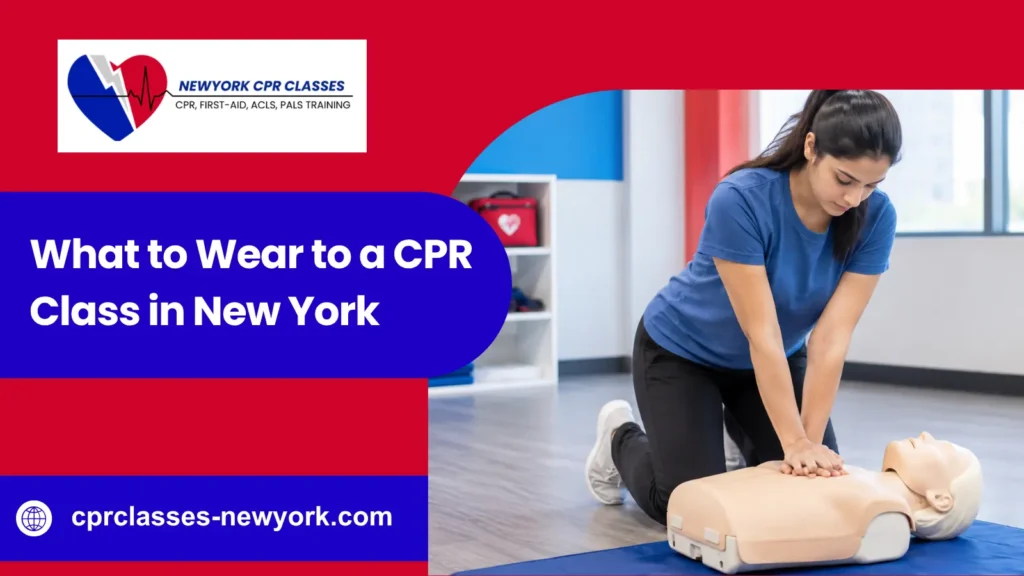
Wondering what to wear to a CPR class in Newyork ? You do not need special clothing or a uniform for most CPR courses. The best choice is comfortable attire that lets you kneel, bend, lean over a CPR manikin, and perform chest compressions without restriction.
This guide covers appropriate attire for CPR classes in New York, clothing to avoid, items to bring, and tips for preparing for training.
Why Your Apparel Matters During CPR Training in New York
In New York, people take CPR classes to meet job requirements, complete healthcare training, or satisfy school and workplace requirements. Comfortable clothing helps them move freely and perform CPR skills during hands-on practice.
- Proper body positioning: During CPR practice, you must kneel beside the manikin, lean forward, and keep your arms straight while performing chest compressions. Restrictive outfits can make these movements uncomfortable and interfere with maintaining proper technique.
- Physical endurance during practice: Repeated chest compressions and skills exercises require physical effort. Breathable apparel helps manage body heat and moisture, making longer practice sessions more comfortable.
- Stability during hands-on skills: CPR practice involves changing positions and moving around the training area. Wear non-slip shoes to avoid slipping while kneeling beside the manikin during CPR practice.
- Adapting to New York’s seasonal temperatures: Cold winters and changing seasonal conditions can affect what you wear to class. Removable layers help you adjust to indoor temperatures without bulky outerwear restricting movement during practical exercises.
- Fewer interruptions during skills assessment: Loose accessories, dangling jewelry, and unsecured long hair can become distractions during practice. Keeping them out of the way helps you concentrate on compression technique, AED practice, and other required skills.
Comfortable Clothing for CPR Practice
When attending CPR training in New York City or elsewhere in the state, wear clothes that allow you to kneel beside a manikin, lean forward, and practice chest compressions without restriction.
Breathable Tops
Wear a top that allows your arms and upper body to move freely during CPR practice. Suitable options include:
- Cotton T-shirts
- Polo shirts
- Short-sleeved tops
- Lightweight, breathable shirts
Flexible Pants
Choose trousers that let you bend your knees and kneel beside the manikin while practicing chest compressions. Good options include:
- Stretch jeans
- Joggers
- Leggings
- Comfortable work trousers
Secure Footwear
Wear closed-toe shoes that fit securely and let you move comfortably around the training area. Examples include:
- Athletic sneakers
- Walking shoes
- Flat, supportive shoes
- Comfortable work shoes with closed toes
Removable Layers
New York weather changes throughout the year, so removable layers can help you stay comfortable during your commute and training session. Consider bringing:
- A lightweight sweater
- A zip-up sweatshirt
- A thin cardigan
- A light jacket
Minimal Accessories
Keep accessories simple so they do not distract you during chest compressions or AED practice. Practical choices include:
- Small stud earrings
- A simple watch
- A hair tie or hair clip for securing long hair
- A simple belt that stays in place during movement
Can You Wear Scrubs to a CPR Class?
Yes, you can wear scrubs to a CPR class, particularly if you work in healthcare or are a medical student. If you are taking an AHA BLS, ACLS, or PALS course, wearing scrubs is convenient if you are coming straight from work or a clinical placement. Scrubs allow you to bend, kneel beside a manikin, and practice chest compressions comfortably.
However, scrubs are optional, not mandatory, for CPR training. If you are taking a CPR class for a workplace requirement, school, or personal preparedness, comfortable everyday outfits are suitable.
What Should You Avoid Wearing to a CPR Class?
CPR classes involve kneeling beside a manikin, leaning forward, and practicing chest compressions. Certain apparel and accessories can restrict movement or get in the way during these exercises.
High Heels and Open-Toe Shoes
Avoid footwear that makes it difficult to balance or move comfortably around the training area, including:
- High heels and stilettos
- Flip-flops
- Loose sandals
- Shoes with slippery soles
Tight or Restrictive Clothing
Attire that limits movement can make it harder to kneel, lean forward, and position your arms for chest compressions. Avoid:
- Tight dresses and skirts
- Stiff jeans with little stretch
- Fitted business suits that restrict movement
- Tops that limit shoulder or arm movement
Bulky Jackets and Heavy Outerwear
Heavy layers can feel uncomfortable during practical exercises and restrict arm movement. Examples include:
- Thick winter coats
- Bulky puffer jackets
- Heavy hoodies
- Oversized jackets that get in the way when leaning forward
If you are attending a class in New York during colder months, wear a coat for the commute and remove it before the hands-on portion.
Excessive Jewelry
Jewelry can swing forward, catch on dresses, or get in the way while you practice CPR. Consider removing or securing:
- Long necklaces and chains
- Loose bracelets and bangles
- Large hoop or dangling earrings
- Bulky rings
- Oversized watches
Scarves, Long Ties, and Loose Accessories
Loose items can fall forward when you bend over a manikin. Avoid wearing accessories that hang freely, such as:
- Long scarves
- Untucked neckties
- Loose lanyards
- Dangling bag straps
Remove or secure these items before practical exercises.
Strong Perfumes and Fragrances
Avoid applying heavy scents before class, especially in shared training rooms. This includes:
- Strong perfume or cologne
- Heavily scented body sprays
- Strongly fragranced lotions
Some classmates may be sensitive to strong scents, so keeping fragrance light helps make the shared training space more comfortable.
Delicate or Expensive Apparel
CPR practice involves kneeling, leaning, and repeated movements, which can wrinkle cloth or leave it dirty. Think twice before wearing:
- Delicate fabrics that require special care
- Clothing that wrinkles easily
- Expensive outfits you do not want to get dirty
- Garments that are difficult to move in or adjust
Is There a Dress Code for CPR Certification Classes?
No, most CPR certification classes do not have a formal dress code. You can wear everyday clothing rather than buying a special outfit for the course. However, your employer, school, or training provider may have specific attire requirements, so check before your class if you are attending through an organization.
If no specific rules apply, choose an outfit that suits the training environment and allows you to take part in the practical assessment.
What Should You Bring to a CPR Class?
You do not need to pack special equipment for most CPR classes. Training providers typically supply the manikins, AED trainers, and other materials needed for hands-on practice. Before leaving for class, check your registration instructions and bring the following items if they apply to your course.
- Photo ID: Bring a government-issued photo ID if your training provider requires it for registration or identity verification.
- Course Confirmation: Keep your booking confirmation handy so you can check your class details and location. If you completed an online course before your in-person skills session, bring proof of completion if required.
- Previous CPR Certification Card: If you are taking a renewal course, have your current or previous certification details available if your provider requests them.
- Water Bottle: Bring water to stay hydrated during the training session, especially if you will be practicing skills for an extended period.
- Notebook and Pen: These are optional but useful if you want to write down important points or review notes after class.
- Prescription Eyewear: Bring your glasses or contact lenses if you need them to read course materials, see demonstrations, or follow instructions.
Be Prepared for Your New York CPR Class
Arriving at your CPR class in New York in appropriate attire and with the necessary items can help you feel comfortable and ready for hands-on training. Choose outfits that allow you to kneel beside a manikin, practice chest compressions, and participate in AED exercises without restriction.
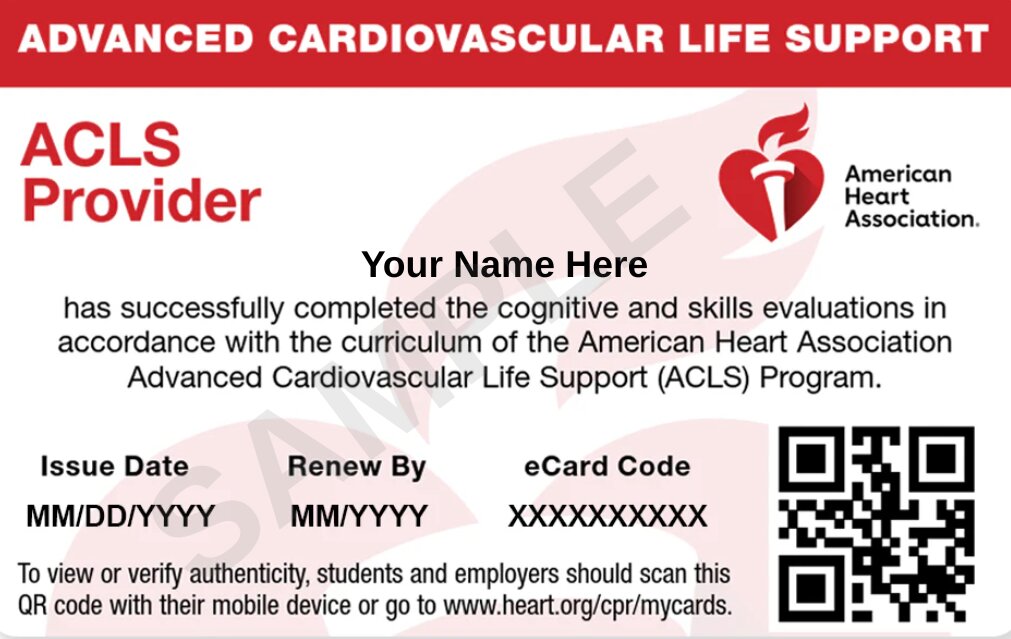
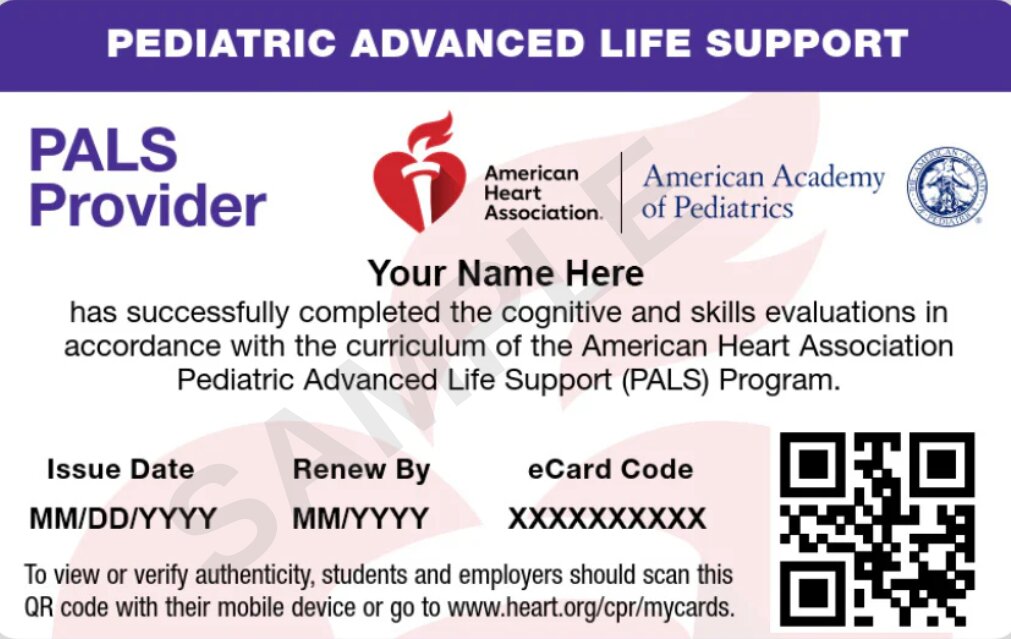
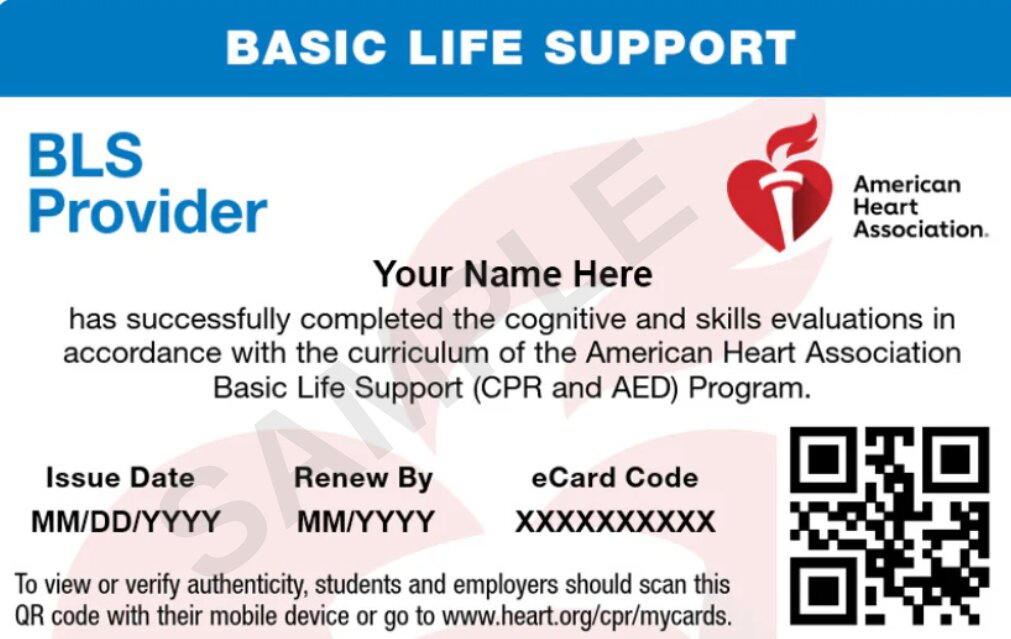
At New York CPR Classes, we provide American Heart Association training for students who need BLS, ACLS, or PALS certification. Our blended learning format combines flexible online coursework with an in-person skills session, making it easier to fit training into your schedule. Whether you are a healthcare professional, a student, or someone meeting a workplace requirement, you can practice essential emergency response skills and receive your AHA Provider eCard on the same day after completing all required course components. Review your course instructions before arriving so you are prepared for your training session.
FAQs About CPR Class Attire in New York
Can I wear my work uniform to a CPR class in New York?
Yes. You can wear your work uniform if it allows you to move comfortably during hands-on practice.
What should I wear to a BLS class?
Wear comfortable, flexible clothes and closed-toe shoes to your BLS class, as hands-on training involves kneeling on the floor and practicing chest compressions.
What should I wear to a first aid course in New York?
Casual clothing is suitable for most first aid courses. Choose an outfit that allows you to take part in practical activities, such as applying bandages and placing someone in the recovery position.
What should you wear to protect yourself during CPR?
Wear disposable gloves to reduce direct contact with blood and other bodily fluids. If rescue breaths are needed, use a CPR face shield or pocket mask with a one-way valve, if available, to reduce exposure to saliva and respiratory fluids.
What should I wear to an ACLS class?
Scrubs are a practical option for an ACLS class, especially for healthcare professionals attending after work. Regular clothes are also acceptable as long as they allow you to participate in resuscitation scenarios and hands-on skills practice.
What clothing guidelines should you follow to start CPR quickly and use an AED?
Choose outfits that provide quick access to the chest and are easy to remove or adjust. Avoid bulky layers that could delay chest compressions or prevent AED pads from making proper contact with the bare chest.