
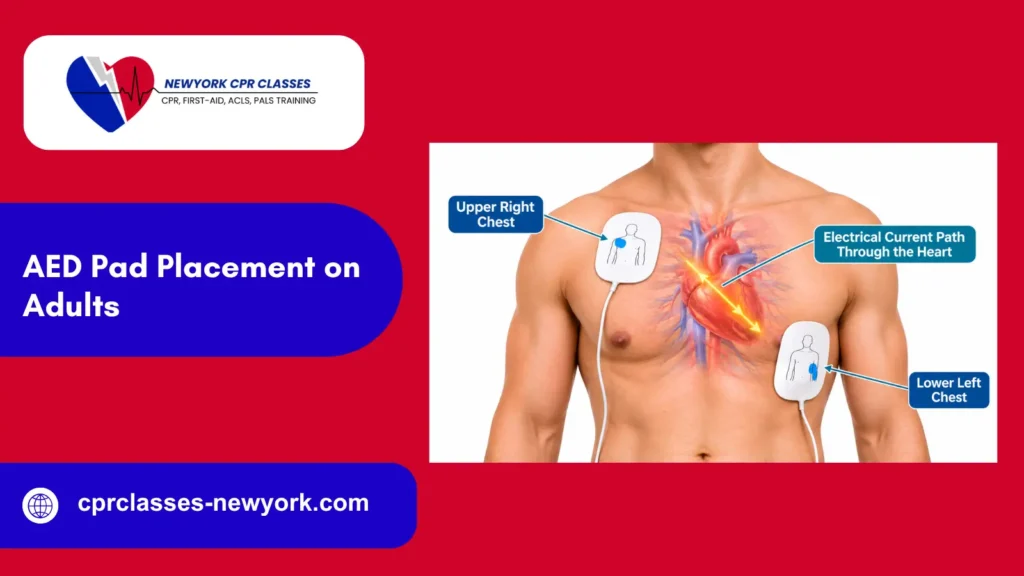
An automated external defibrillator (AED) uses electrical shocks to help treat certain life-threatening heart rhythms during sudden cardiac arrest. For the electrical shock to pass through the heart, the electrode pads must be positioned correctly on the person’s chest.
The standard AED pad placement for adults is the anterolateral position. This guide explains where to place AED pads on an adult, how to apply them, which alternative placement positions to use, and what safety precautions to follow.
Where to Put AED Pads on an Adult?
In adults, place one AED pad on the upper right chest and the other on the lower left side of the chest. This is called the anterolateral position, where antero means front and lateral means side. According to the 2025 AHA Guidelines, this is an appropriate option for adults aged 8 years or older or weighing more than 55 lb (25 kg).
Follow these anatomical positions when applying the pads:
1. Place the First AED Pad on the Upper Right Chest
Position the first adhesive electrode pad on the upper right side of the person’s bare chest.
- Locate the right collarbone (clavicle).
- Place the pad directly below the right collarbone.
- Position it to the right of the breastbone (sternum).
- Press the entire pad firmly against the skin to ensure proper contact.
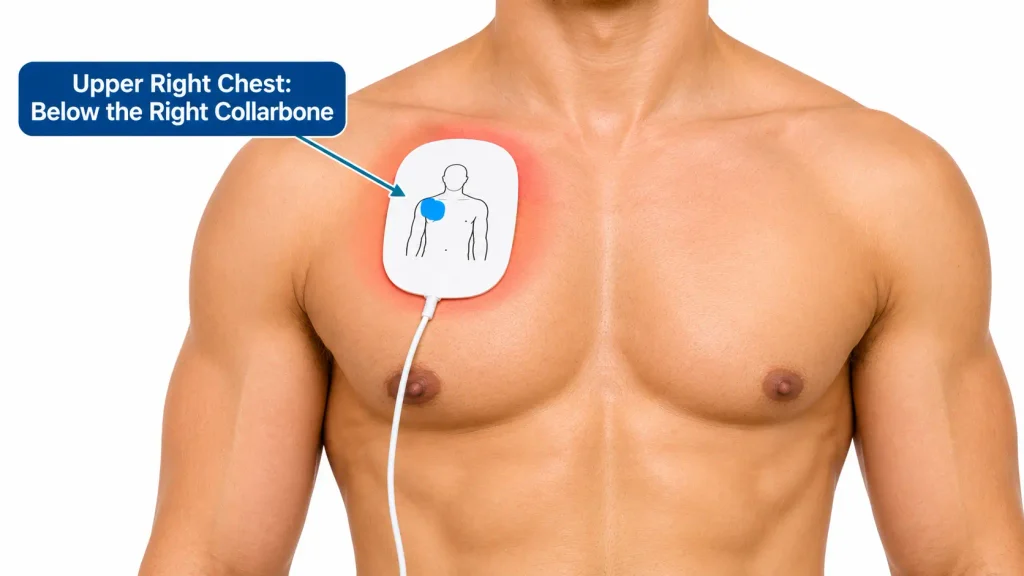
Figure 1: Upper Right Chest AED Pad Placement
This position places the first electrode on the upper right side of the chest.
2. Place the Second AED Pad on the Lower Left Chest
Position the second electrode pad on the lower left side of the chest.
- Locate the left armpit.
- Place the pad below the armpit along the left side of the rib cage.
- Position its center along the mid-axillary line, which runs down the side of the chest from the middle of the armpit.
- Keep the pad away from breast tissue and ensure that its entire adhesive surface touches bare skin.
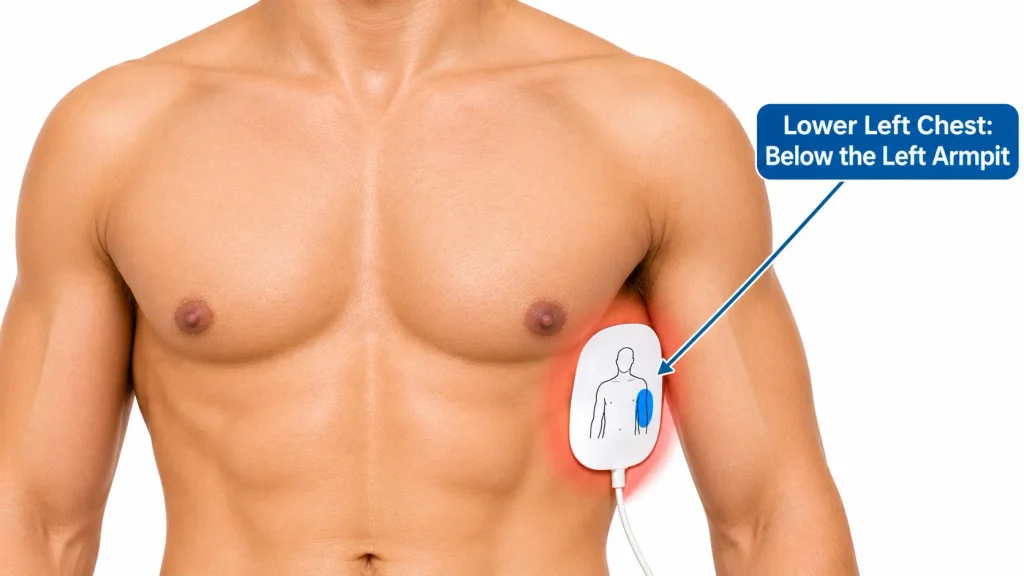
Figure 2: Lower Left Chest AED Pad Placement
Place the second pad lower on the left side of the chest than the first pad. Avoid placing it too close to the center of the chest.
Step-by-Step Instructions for Applying AED Pads to an Adult
Applying AED pads involves preparing the person’s chest, attaching the electrodes, following the device prompts, and resuming CPR when instructed.
Step 1: Expose the Person’s Chest
Remove or cut away any clothing covering the chest to expose the skin for AED pad placement.
- Remove clothing covering the chest.
- Quickly wipe away sweat or moisture.
- Ensure the skin is dry enough for the adhesive pads to stick properly.
- Remove any objects or clothing that could interfere with pad contact.
Continue CPR while another rescuer prepares the AED whenever possible. Avoid unnecessary interruptions in chest compressions.
Step 2: Turn On the AED and Prepare the Pads
Turn on the AED and follow its voice instructions. Open the electrode pad package and remove the protective backing.
Check the diagrams on the electrode pads to see where each one should be placed. Most AEDs include two adhesive electrode pads.
Step 3: Attach Both Electrode Pads
Attach one electrode pad to the upper right chest and the other to the lower left side of the chest.
Press each pad firmly against the skin to ensure proper contact. Make sure the pads do not overlap or touch.
Step 4: Connect the AED and Analyze the Heart Rhythm
Connect the electrode cable to the AED if it is not already attached. Some AED models have preconnected electrode pads.
Once both pads are attached, the AED will begin analyzing the person’s heart rhythm or prompt you to initiate the analysis.
Stop touching the person and ensure no one else is in contact with them while the AED analyzes the heart rhythm.
Step 5: Deliver a Shock if Advised
If the AED identifies a shockable rhythm, it will announce that a shock is advised.
- Make sure nobody is touching the person.
- Clearly announce, “Stand clear.”
- Visually check that everyone is away from the person.
- If the AED advises a shock, press the flashing shock button when prompted.
Some AED models deliver shocks automatically. Follow the device’s voice prompts.
Step 6: Resume CPR Immediately
After the shock is delivered, immediately resume CPR as directed by the AED.
If the AED announces that no shock is advised, resume CPR on the adult immediately, starting with chest compressions.
Continue following the AED’s instructions until emergency medical services take over or the person shows signs of life.
What Is the Other AED Pad Placement Position for Adults?
The other AED pad placement position for adults is the anterior-posterior position. Here, anterior means the front of the body, while posterior means the back. In this position, one electrode pad is attached to the front of the chest and the other to the person’s back.
The correct positioning is:
- Anterior pad: Place one electrode on the left side of the chest, between the breastbone and the left nipple, while avoiding breast tissue.
- Posterior pad: Place the second electrode on the left side of the back, below the shoulder blade (scapula), near the spine.
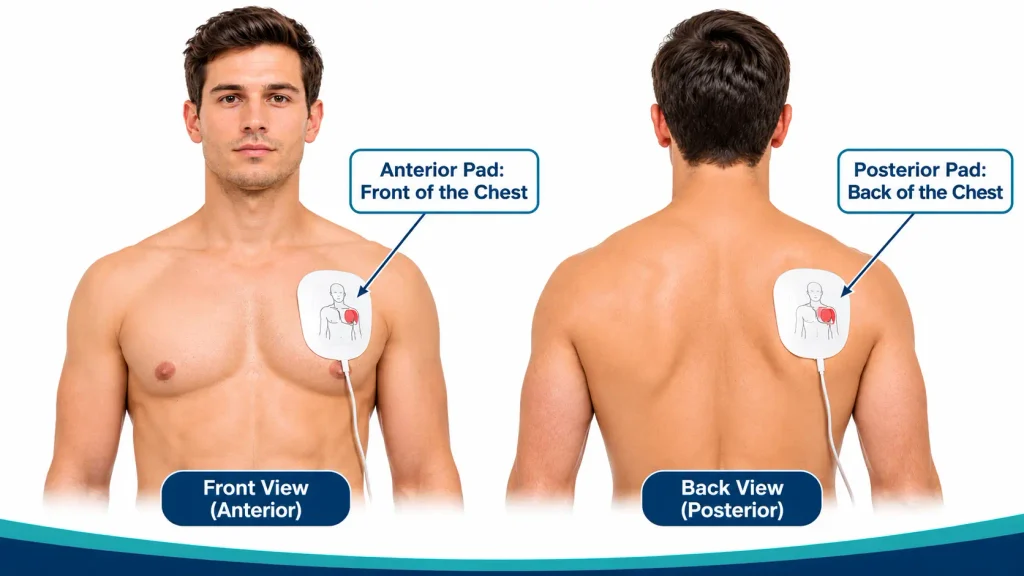
Figure 3: Anterior-Posterior AED Pad Placement
This arrangement places the electrodes on opposite sides of the chest, allowing the electrical current to pass through the heart.
Anterior-posterior placement can be useful when the standard anterior-lateral position is difficult, such as when an implanted cardiac device is located where an electrode would normally be placed. Follow the AED manufacturer’s instructions and use this alternative when appropriate.
Special Considerations for AED Pad Placement on Adults
Certain physical conditions and circumstances can affect how AED electrode pads are applied. Rescuers should adjust pad placement when needed while avoiding unnecessary delays in delivering a shock.
1. AED Pad Placement on Women
AED pad placement on women follows the same general anatomical principles as placement on men.
- Place the first electrode below the right collarbone.
- Position the second electrode on the left side of the chest, below the armpit.
- Avoid placing either electrode directly over breast tissue.
- Ensure that both pads make full contact with bare skin.
If a bra prevents proper pad placement, move it aside or remove it as needed. You can leave a bra on if it does not cover the areas where the AED pads need to be placed. Both pads must stick directly to bare skin.
Protect the person’s privacy when possible, but do not delay AED use to do so.
2. AED Pad Placement on Adults With a Pacemaker or ICD
Some adults have an implanted pacemaker or implantable cardioverter-defibrillator (ICD) beneath the skin, usually in the upper chest.
These devices may appear as a small raised area or lump beneath the skin.
When applying AED pads:
- Identify the location of the implanted device if visible or known.
- Do not place an AED electrode directly over the pacemaker or ICD.
- Move the pad to an appropriate nearby position while maintaining the correct electrode arrangement.
- Follow the AED manufacturer’s instructions.
If the standard position would place a pad over the implanted device, adjust the placement or use an appropriate alternative configuration if indicated.
An implanted pacemaker or ICD is not a reason to withhold an AED shock from someone experiencing cardiac arrest.
3. AED Pad Placement on Adults With Chest Hair
Excessive chest hair can prevent adhesive electrodes from making proper contact with the skin.
If the pads do not stick securely:
- Try pressing the electrode firmly against the chest.
- If the hair prevents proper adhesion, quickly shave the areas where the pads need to go.
- If a spare set of AED pads is available, stick one pad onto the hairy area and quickly pull it off to remove the hair. Then use the new pads for defibrillation.
Most AED kits include a small razor for this purpose.
Do not spend unnecessary time shaving the entire chest. Only clear the areas needed for proper electrode contact.
4. AED Pad Placement on a Wet or Sweaty Chest
Water and excess moisture can prevent AED pads from sticking properly to the skin.
Before attaching the AED pads:
- Move the person out of standing water before applying the AED pads.
- Quickly wipe the chest dry with a towel or cloth.
- Wipe away any water or moisture from the person’s chest before applying the AED pads.
- Apply the pads firmly to the exposed skin.
Do not use an AED while the person is in water. However, once the person is removed from the water and the chest is dried, AED use should proceed promptly.
5. AED Pad Placement When a Medication Patch Is Present
Some people wear transdermal medication patches on their chest. Examples include nitroglycerin and nicotine patches.
Do not place an AED electrode directly over a medication patch.
If a patch is covering the intended electrode position:
- Put on gloves if available.
- Remove the medication patch.
- Wipe the area to remove any remaining medication.
- Apply the AED electrode to the bare, dry skin.
Avoid touching the medication directly, and do not delay defibrillation unnecessarily.
6. AED Pad Placement on Adults With Large Breasts
For adults with large breasts, place the lower left AED pad beside or below the left breast, directly on the rib cage.
Do not place the AED pad directly on breast tissue.
If necessary, move breast tissue aside to expose the appropriate area of the chest and ensure full contact between the electrode and the skin.
The goal is to maintain the correct anterior-lateral position while allowing the pad to adhere securely.
Common AED Pad Placement Mistakes to Avoid
Incorrect pad placement can prevent proper skin contact and affect the flow of electrical current through the heart. Avoid these common mistakes when applying AED pads to adults.
| Common mistake | Correct approach |
| Placing both pads too close together | Maintain the recommended anterolateral positioning. |
| Placing the lower pad too far toward the front | Position it along the left mid-axillary line, below the armpit. |
| Placing a pad directly over breast tissue | Position the pad on the chest wall, lateral to or below the breast. |
| Applying pads over clothing | Expose the chest and attach electrodes directly to bare skin. |
| Applying pads over a pacemaker or ICD | Move the electrode away from the implanted device. |
| Applying pads over a medication patch | Remove the patch, clean the area, and apply the electrode to bare skin. |
| Applying pads to a wet chest | Quickly dry the areas where the electrodes will be attached. |
| Delaying AED use to prepare the chest unnecessarily | Make only the necessary adjustments and proceed promptly. |
If the AED prompts you to check the pads, make sure they are firmly attached to clean, dry, bare skin and correctly positioned on the chest.
Why Is Correct AED Pad Placement Important?
Correct AED pad placement helps direct the electrical current through the heart during defibrillation.
An AED analyzes the heart’s electrical activity and determines whether a shock is needed. In certain cardiac arrest rhythms, such as ventricular fibrillation (VF) and pulseless ventricular tachycardia (pVT), an electrical shock can help restore an organized heart rhythm.
Proper electrode positioning is important for several reasons:
1. Directs electrical current through the heart: The anterior-lateral position helps establish an electrical pathway across the heart, including the ventricular muscle.
2. Improves electrode contact: Attaching the pads directly to bare skin helps establish proper electrical contact and supports effective energy delivery.
3. Helps avoid unnecessary complications: Keeping electrodes away from implanted devices, medication patches, and areas where the pads cannot adhere properly helps reduce placement-related problems.
4. Supports timely defibrillation: Correct preparation and pad placement allow the AED to analyze the heart rhythm and deliver a shock when indicated without unnecessary delays.
AED use should always be combined with high-quality CPR until advanced medical care takes over or the person shows signs of life.
Learn AED and CPR Skills with New York CPR Classes
Using an AED involves several important steps, from placing the electrode pads correctly to delivering a shock when advised and resuming CPR. CPR and AED training teaches you how to perform these steps correctly during an emergency.
New York CPR Classes offers American Heart Association (AHA) certification courses, including BLS, ACLS, and PALS, at multiple training locations across New York. Find a convenient location and complete your training without unnecessary travel.
After completing your course and required skills assessment, you can receive your nationally recognized AHA eCard the same day.
Frequently Asked Questions About AED Pad Placement on Adults
Do AED pads go above or below the nipples?
Place the upper right AED pad just below the right collarbone. Position the lower left pad below the left armpit, along the rib cage. Keep the lower pad on the side of the chest, not directly over the breast or nipple.
Can you use adult AED pads on a pregnant woman?
Yes. An AED can be used on a pregnant woman experiencing cardiac arrest. Apply the pads in the standard adult positions, following the device instructions. Do not delay CPR or defibrillation because of pregnancy.
What should you do if the AED pads do not stick to the chest?
If the AED pads do not stick, check whether the chest is wet or excessively hairy. Dry the skin and remove excess chest hair if needed. Apply the pads firmly to bare skin and follow the AED’s instructions.
Where should you avoid placing AED pads?
Do not place AED pads directly over breast tissue, implanted pacemakers or defibrillators, or medication patches. Avoid placing them on wet skin or over clothing. Pads must stick directly to bare, dry skin.
Do you stop CPR to place AED pads?
No. Continue CPR while another rescuer prepares the AED and attaches the pads whenever possible. If you are alone, briefly pause chest compressions to expose the chest and apply the pads, then follow the AED prompts. Resume CPR as soon as instructed.
Can you use an AED on someone who has a pulse?
An AED is intended for people who are unresponsive and not breathing normally, indicating possible cardiac arrest. If the person has a pulse, do not use the AED to deliver a shock. Follow appropriate emergency care procedures and monitor the person’s condition.