CPR certification in New York typically costs between $95 and $300, depending on the course you need and how you choose to complete it. BLS, ACLS, and PALS all fall into this range, with the final price shaped by your training format, your certification level, and whether you’re getting certified for the first time or renewing an existing card.
If you’re a nurse, EMT, physician, or healthcare student in New York, you’ve probably noticed that CPR training prices aren’t the same everywhere. Some providers charge a flat rate for everything. Others break the cost down by format, so you only pay for what you actually need. Understanding these differences before you sign up can save you both money and time.
This guide walks through what drives CPR certification pricing in New York, what each course actually includes, and how to choose the right option for your role.
What Factors Affect CPR Certification Costs in New York
A few key variables determine what you’ll pay for your certification:
Certification Level. General CPR and AED training for the public tends to be the least expensive option available. BLS, ACLS, and PALS cost more because they’re built for healthcare providers and include additional clinical content, more testing, and longer skills checks.
Training Format. Self-Guided Learning, which pairs online coursework with a short in-person skills session, is usually more affordable than a fully instructor-led classroom course. If you already hold a current card and just need to renew, a skills-only session at a CPR Verification Station is often the cheapest path forward.
Location Within New York. Pricing can shift depending on where you’re located. Training centers in Manhattan, Brooklyn, and other high-demand boroughs sometimes price differently than providers in smaller upstate towns, largely due to facility costs and demand.
New Certification vs. Renewal. First-time certification usually costs more than renewal, since new students need the full online modules plus hands-on instruction. Returning students who already understand the material can often move straight to a skills check.
Provider Reputation. The American Heart Association (AHA) generally costs more than some lower-cost alternatives, but it’s also the most widely recognized standard among hospitals, EMS agencies, and licensing boards. For most healthcare professionals in New York, that recognition matters more than a small price difference.
CPR Certification Costs in New York (2026)
Here’s a general breakdown of what New York healthcare professionals and general learners can expect to pay:
| Course Type | Self-Guided Learning (Online + Skills Check) | Skills Check Only |
| BLS Certification | $120 | $90 |
| ACLS Certification | $295 | $150 |
| PALS Certification | $295 | $150 |
With Self-Guided Learning, you complete the knowledge portion online, at your own pace, and then come in for a short hands-on skills session at a CPR Verification Station. If you already hold current certification and just need to renew, the skills-only option lets you skip the online modules and go straight to your assessment on a Voice-Assisted Manikin. New students generally do better with the full Self-Guided Learning path, while returning professionals usually save time and money with the skills-only route.
What’s Included in Each CPR Certification Course
Each course is built around a different level of emergency response, so it’s worth understanding what you’re actually paying for.
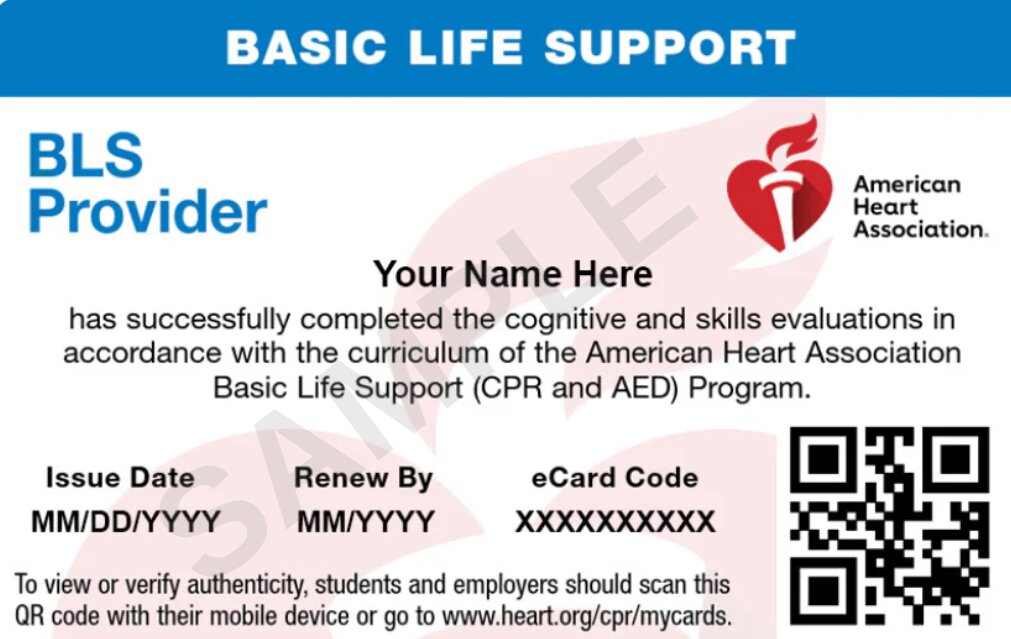
BLS (Basic Life Support)
BLS is the entry point for most healthcare CPR training and the most commonly required certification in New York hospitals, clinics, and EMS systems. It covers high-quality chest compressions, rescue breathing, AED use, and coordinated team response during a cardiac or respiratory emergency. Nurses, physicians, EMTs, dental staff, and medical assistants are typically required to hold current BLS. Many non-healthcare workers, including teachers, coaches, and childcare staff, also choose this course because it applies directly to real-world emergencies outside a clinical setting.
ACLS (Advanced Cardiovascular Life Support)
ACLS builds on BLS and prepares healthcare providers to manage more complex cardiac events. The course covers advanced airway management, ECG rhythm recognition, and medication protocols used during resuscitation. A large part of ACLS focuses on team coordination and clear decision-making under pressure, since cardiac emergencies rarely unfold in a predictable way. Emergency department staff, ICU nurses, and paramedics in New York commonly need this certification as a condition of employment.
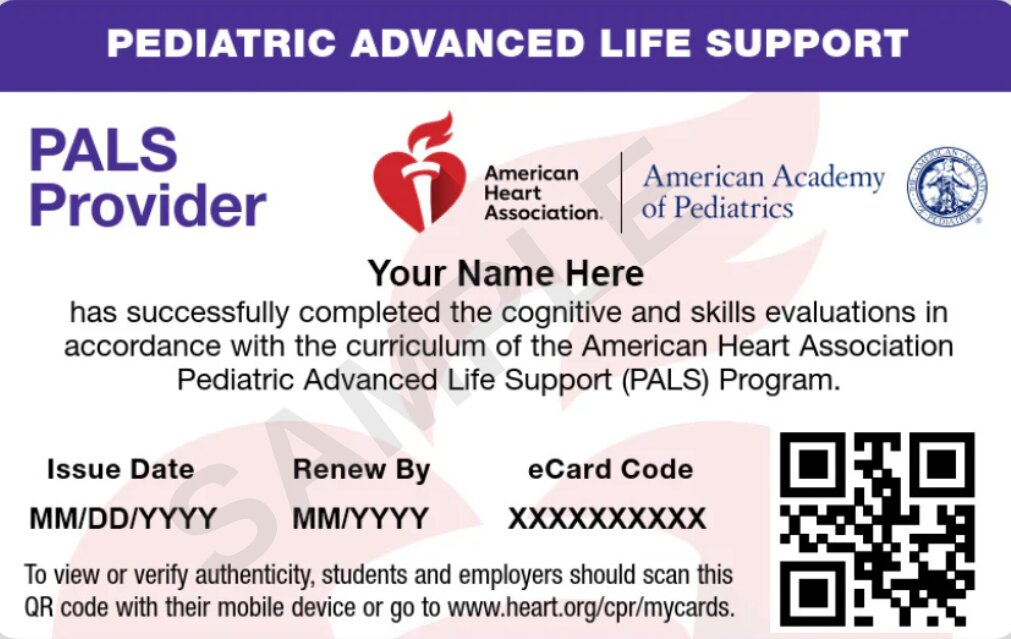
PALS (Pediatric Advanced Life Support)
PALS is built specifically for emergencies involving infants and children. It teaches providers how to spot early warning signs of respiratory or cardiac distress in pediatric patients, along with age-appropriate CPR techniques, airway management, and treatment protocols. Pediatricians, pediatric nurses, school nurses, and emergency care providers in New York frequently need this certification, since pediatric response differs significantly from adult protocols.
How Long Does CPR Certification Last in New York?
Your AHA-issued CPR certification stays valid for two years from your completion date, regardless of which course you take. This two-year window keeps your skills current with the latest AHA science and resuscitation guidelines, which are updated periodically as new research comes out.
Once your card expires, you’ll need to complete a renewal course before you can use it professionally again. An expired certification can affect your ability to work in a clinical role, meet employer requirements, or maintain state licensing, so it’s worth scheduling your renewal a few weeks before the expiration date rather than waiting until the last minute.
Is CPR Certification Worth the Cost?
For most healthcare workers, CPR certification cost is a modest expense compared to what the training actually provides. A current certification gives you the practical skills to respond confidently to a cardiac or respiratory emergency, whether that happens on the job, at home, or somewhere in public.
Beyond the practical skills, certification also supports your career. Many healthcare roles in New York require current BLS, ACLS, or PALS as a condition of hire or continued employment, and holding a valid card keeps you eligible for those positions without gaps or delays.
Why Choose New York CPR Classes
Flexible Self-Paced CPR Certification. Complete your coursework around your schedule, without stepping away from clinical shifts or other responsibilities.
AHA-Approved Training. Every course follows current American Heart Association guidelines, so your certification is recognized by hospitals, EMS agencies, and healthcare employers across the state.
Nationally Recognized Credentials. Your BLS, ACLS, or PALS certification is accepted throughout New York and across the United States, meeting the standards most employers and licensing boards look for.
Convenient CPR Verification Stations. Skills sessions are available at multiple locations across New York, making it easier to find a nearby spot for your hands-on assessment.
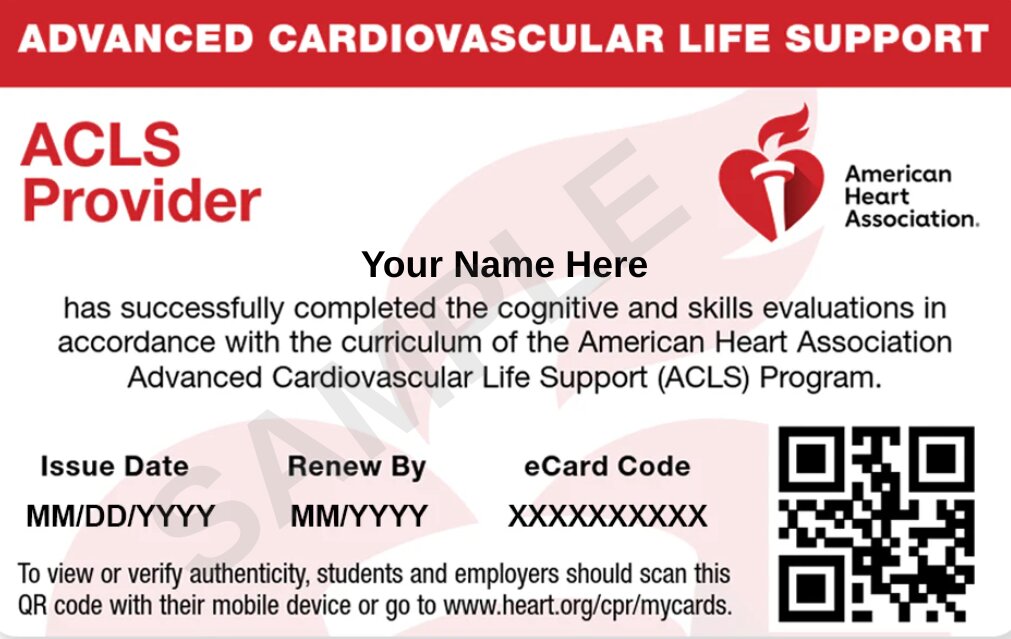
Same-Day eCard. You’ll receive your official AHA eCard the same day you complete your course requirements.
Realistic Practice With Voice-Assisted Manikins. Skills sessions use Voice-Assisted Manikins to walk you through real-time feedback on compression rate, depth, and technique, so you leave with genuine confidence in your skills, not just a passed test.
Group and Organizational Options. Businesses, schools, and healthcare offices can rent a CPR Verification Station for on-site group training, which cuts down on travel time and simplifies scheduling for larger teams.
How to Save Money on CPR Certification in New York
A couple of practical strategies can lower your out-of-pocket cost:
Book group sessions. Organizations, schools, and healthcare offices can access discounted group rates when multiple staff members certify together, and renting a CPR Verification Station on-site often works out cheaper than sending each person to a separate class.
Bundle your certifications. If you need more than one credential, such as BLS along with ACLS or PALS, bundled pricing usually costs less than purchasing each course individually.
Get Certified at New York CPR Classes
Getting certified doesn’t have to eat up your whole day. Start with Self-Guided Learning online, at whatever pace fits your schedule, then head to a CPR Verification Station for a short hands-on skills check using a Voice-Assisted Manikin. It’s a simple two-step process built around how healthcare professionals actually manage their time.
Whether you’re certifying for the first time or renewing a card that’s about to expire, the process stays straightforward from start to finish. Once you complete your coursework, your official AHA eCard is issued the same day, so there’s no waiting around for paperwork.
Frequently Asked Questions
Will I get a physical card after finishing the course?
You’ll receive your official AHA eCard digitally on the same day you complete your course. A printed card generally isn’t issued unless you request one directly through the AHA.
Is New York certification accepted in other states?
Yes. AHA certifications, including BLS, ACLS, and PALS, are recognized nationwide and accepted by hospitals, EMS agencies, and healthcare employers across all fifty states.
Do I need current BLS before taking ACLS or PALS?
Yes. Both ACLS and PALS require a current BLS certification before enrollment, since these advanced courses build directly on the foundational skills covered in BLS.