

During a cardiac arrest emergency, CPR can help keep blood flowing to vital organs until advanced medical care is available. However, deciding when to stop resuscitation requires careful attention to the person’s condition, as gasping or involuntary movements do not always indicate the return of normal breathing or circulation.
This guide explains the six reasons to stop CPR, the risks of stopping too early, when to pause CPR to check breathing or a pulse, and the signs that CPR should continue.
6 Reasons to Stop CPR
Cardiopulmonary resuscitation should continue during cardiac arrest until an appropriate stopping condition occurs. The following six situations explain when to stop CPR.
1. Clear Signs of Life Return (ROSC)
When a person begins breathing normally, regains consciousness, or shows purposeful movement, these may indicate a return of spontaneous circulation (ROSC). If clear signs of life appear, stop chest compressions and assess the person’s condition. Gasping or occasional irregular breaths do not confirm recovery and should not be mistaken for normal breathing. Follow emergency dispatcher instructions and monitor the person.
2. Emergency Medical Professionals Take Over
When emergency medical professionals arrive and take over resuscitation, bystanders should follow their instructions and let them continue providing care. The clinical team may continue CPR, assess the heart rhythm, deliver defibrillation when indicated, and provide advanced life support. A handover should include relevant information about the collapse, the start of CPR, and any AED use.
3. The Rescuer Becomes Physically Unable to Continue
CPR requires sustained physical effort, and fatigue can reduce the quality of chest compressions. If another rescuer is available, compressors should switch approximately every two minutes, or sooner if fatigue develops, with minimal interruption. If a lone rescuer becomes physically unable to continue, they should seek assistance and follow emergency dispatcher instructions.
4. The Scene Becomes Unsafe
Rescuer safety is essential during resuscitation. Hazards such as fire, exposed electrical wires, moving traffic, or violence may require rescuers to stop CPR and move to a safe location. CPR should resume once the danger has passed and it is safe to reach the person. If possible, rescuers should call emergency services for assistance in managing the hazard.
5. An AED Requires a Temporary Pause
An automated external defibrillator (AED) may instruct rescuers to stop touching the person while it analyzes the heart rhythm or delivers a shock. These pauses are necessary for safe and accurate device operation. They do not mean resuscitation should end. Resume chest compressions immediately when the AED instructs you to do so.
6. Resuscitation Is Terminated Under Medical Guidance
Healthcare professionals may terminate resuscitation when their clinical assessment and established termination protocols support that decision. They consider factors such as the circumstances of the cardiac arrest, the heart rhythm, the response to treatment, and relevant clinical findings. A valid do not resuscitate (DNR) order may also affect whether CPR is initiated or continued, subject to applicable law and local protocols. Bystanders should not stop CPR on their own simply because a certain amount of time has passed or they believe the person is unlikely to survive.
What Happens When CPR Is Stopped Too Early?
Stopping cardiopulmonary resuscitation (CPR) before the person regains effective circulation or an appropriate stopping condition occurs can reduce the chances of survival. The following points highlight the potential consequences of stopping CPR too early.
- Reduced Oxygen Supply to the Brain: When chest compressions stop during ongoing cardiac arrest, blood flow and oxygen delivery to the brain decrease sharply. Prolonged oxygen deprivation can cause permanent brain injury.
- Increased Risk of Organ Damage: The heart, brain, kidneys, and other vital organs depend on continuous blood circulation. Interrupting CPR before circulation is restored can worsen oxygen deprivation and increase the risk of organ damage.
- Lower Chances of Survival: Early termination of CPR can reduce the likelihood of survival, particularly when the person remains in cardiac arrest and has not received effective treatment.
- Reduced Effectiveness of Defibrillation: Interruptions in chest compressions can affect coronary blood flow and reduce the effectiveness of resuscitation efforts. Prompt CPR and timely use of an automated external defibrillator (AED) are essential.
- Progression of Cardiac Arrest: If the heart has not resumed effective circulation, stopping CPR leaves the person without the artificial blood flow generated by chest compressions. Without further intervention, the condition can rapidly become fatal.
Important: Brief pauses to use an AED, analyze the heart rhythm, deliver a shock, or perform necessary clinical procedures are different from stopping CPR prematurely. Follow the AED prompts and emergency dispatcher’s instructions, and resume chest compressions promptly when directed.
Should You Pause CPR to Check Breathing or a Pulse?
Whether CPR should be paused to check breathing or a pulse depends on whether the rescuer is a layperson or a healthcare professional.
If you are a lay rescuer, do not delay chest compressions to check for a pulse. If an adult or child is unresponsive and not breathing normally or is only gasping, begin CPR and follow the emergency dispatcher’s instructions.
Healthcare professionals may need to check for a pulse during resuscitation, but the check should take no more than 10 seconds. If medical providers cannot confirm a pulse, they should immediately resume chest compressions.
After an automated external defibrillator (AED) delivers a shock, resume chest compressions right away without stopping to check for a pulse. If the AED is analyzing the person’s heart rhythm, do not touch the person until the analysis is complete.
Key Signs That CPR Should Not Be Stopped
Recognizing when to continue CPR is equally important. Some signs may appear alarming but do not necessarily mean that the person has regained effective circulation.
Continue CPR when the person remains unresponsive and is not breathing normally, unless another appropriate stopping condition applies.
Important considerations include:
- Agonal breathing: Occasional gasps, snorting sounds, or irregular breaths can occur during cardiac arrest. These are not normal breathing and should not be used as a reason to stop CPR.
- No immediate response: The person may remain unresponsive even after CPR begins. This alone is not a reason to stop CPR.
- Pale or bluish skin: Changes in skin color do not determine whether resuscitation should stop.
- Brief seizure-like movements: These can occur around the time of cardiac arrest and do not necessarily indicate that circulation has returned.
- Elapsed time: Do not stop CPR solely because a certain amount of time has passed.
If you are performing CPR, follow the correct steps for the person’s age group, whether an infant, child, or adult, and continue until an appropriate stopping condition occurs or emergency professionals instruct you to stop.
Be Prepared to Respond to a Cardiac Emergency
CPR is a vital emergency skill that can improve a person’s chance of survival during cardiac arrest. Knowing when to continue or stop resuscitation, perform chest compressions correctly, and use an AED can help you respond effectively while waiting for emergency medical assistance.
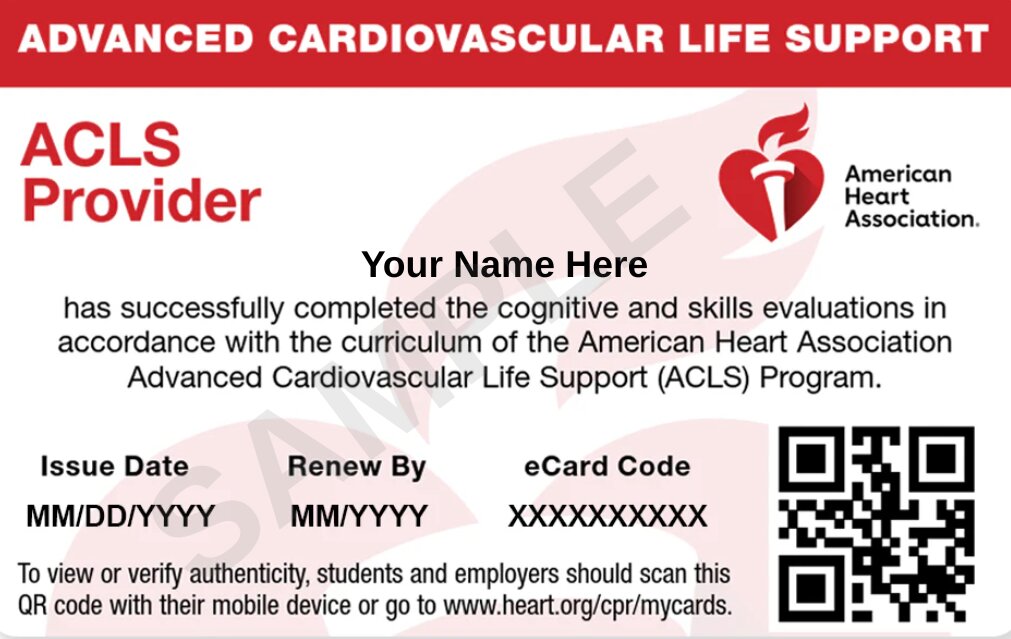
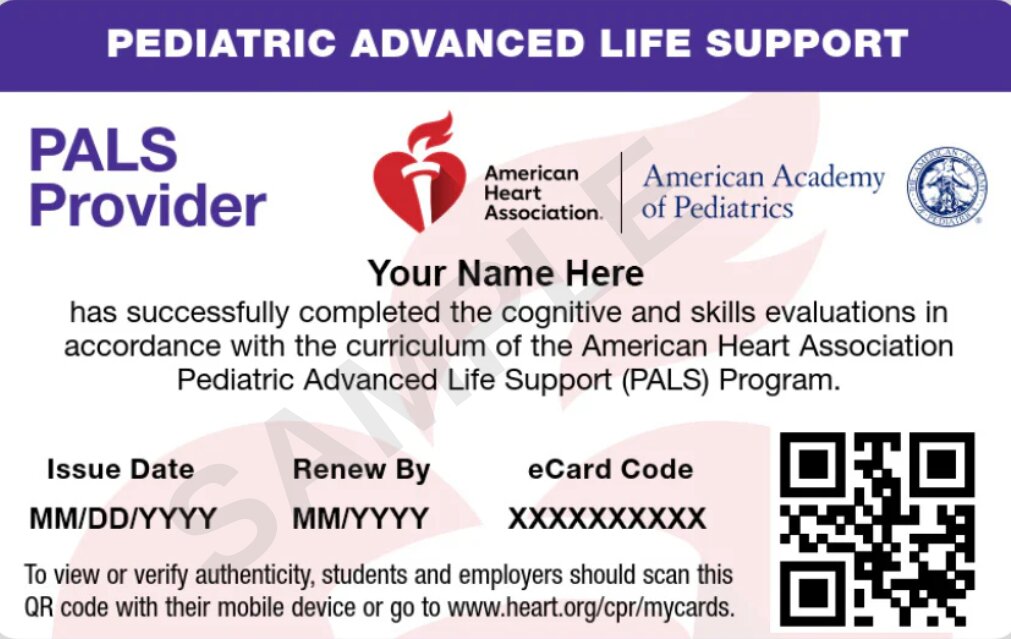
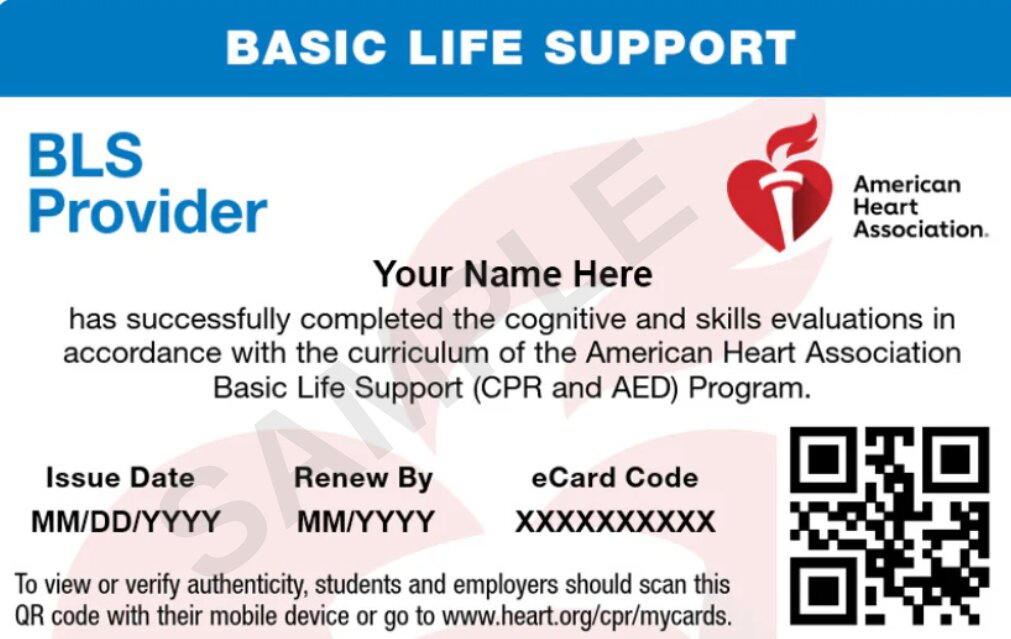
New York CPR Classes offers American Heart Association (AHA) courses in CPR, Basic Life Support (BLS), Advanced Cardiovascular Life Support (ACLS), and Pediatric Advanced Life Support (PALS). Training is available at multiple locations across New York, with flexible options to help you find a suitable class time and location. Complete the online coursework, attend an in-person skills session, and earn your AHA provider card the same day. Enroll today to build your lifesaving skills and prepare for cardiac emergencies.
Frequently Asked Questions About When to Stop CPR
After CPR Has Started, When Is It Appropriate to Stop?
Stop CPR if the person shows clear signs of life, emergency medical responders take over, the scene becomes unsafe, or you are too exhausted to continue. CPR may also be stopped when qualified medical professionals determine that further resuscitation is no longer appropriate. If you are unsure, follow the emergency dispatcher’s instructions and continue CPR until help arrives.
What Are the Five Reasons to Stop CPR?
The five main reasons are clear signs of recovery, emergency professionals taking over, the rescuer becoming physically unable to continue, an unsafe scene, or a medical decision to terminate resuscitation.
Should You Stop CPR If a Person Appears Dead?
No. Do not stop CPR simply because the person is unresponsive or shows no immediate signs of recovery. If they are unresponsive and not breathing normally, continue CPR until they show clear signs of life, trained emergency responders take over, the scene becomes unsafe, or you cannot continue.
How Long Should You Perform CPR?
There is no fixed time limit for CPR. Continue until the person shows clear signs of life, trained emergency responders take over, the scene becomes unsafe, or you are physically unable to continue. If another rescuer is available, switch every two minutes or sooner if needed, keeping interruptions to chest compressions as brief as possible.
When Should CPR Be Stopped and Death Declared?
CPR should not be stopped simply because the person appears lifeless or has not responded quickly. Death should be declared by an authorized medical professional according to applicable protocols and local laws. Continue CPR until an appropriate stopping condition occurs or qualified professionals direct you to stop.
When Should CPR Be Stopped After Drowning?
CPR after drowning should not be stopped after an arbitrary number of minutes. Since drowning can cause severe oxygen deprivation, resuscitation may take longer than in some other emergencies. Continue following emergency guidance until trained responders assess the person and decide the next steps.
When Should You Stop CPR If There Is No Response?
If the person remains unresponsive, do not assume resuscitation has failed simply because there is no immediate improvement. Keep performing CPR and use an AED as soon as one is available. A lack of response alone is not a reason to stop; follow the emergency dispatcher’s guidance and let medical professionals assess whether resuscitation should end.