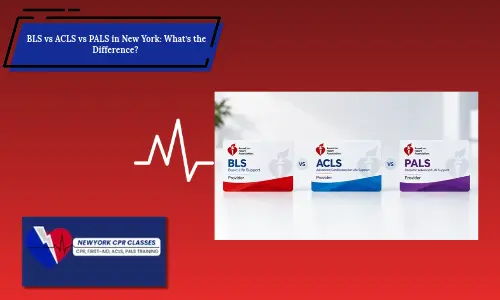
BLS, ACLS, and PALS are American Heart Association courses that prepare healthcare professionals and other qualified responders in New York for different levels and types of emergency care. Although all three involve resuscitation training, they are not interchangeable, and the course you need depends on your professional role, clinical responsibilities, and patient population.
The main difference between BLS, ACLS, and PALS is the level of training and the type of patient care each certification prepares you to provide. This guide compares BLS, ACLS, and PALS and explains who needs each certification, the requirements in New York, and how to choose the right course.
What Is BLS Certification?
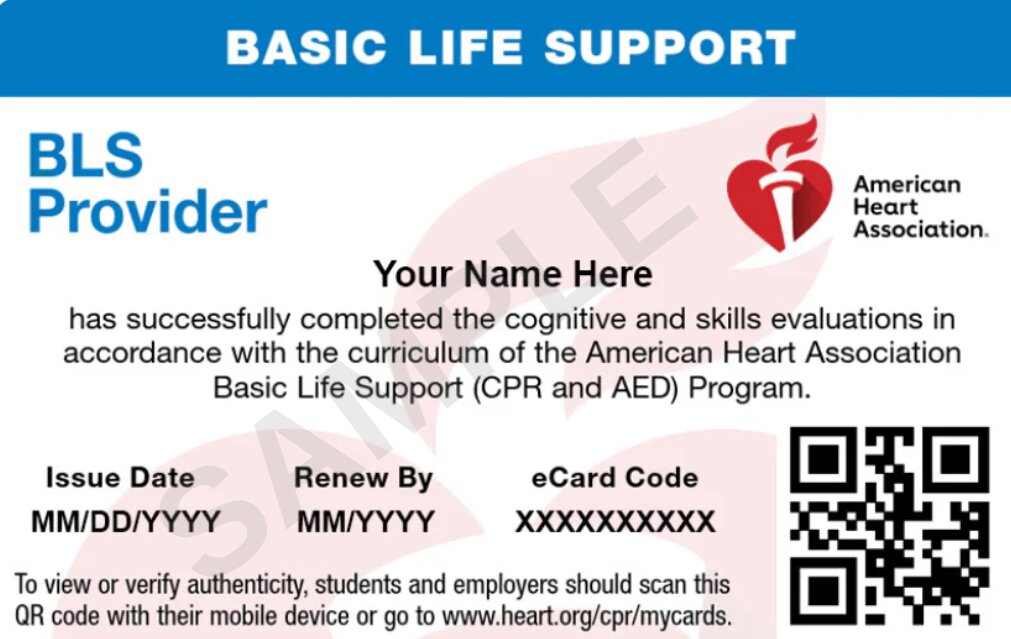
Basic Life Support (BLS) certification is a provider-level credential that confirms a person has completed training and demonstrated essential life support skills for adults, children, and infants.
The AHA BLS training covers high-quality CPR, AED use, ventilation, relief of airway obstruction, and effective team dynamic skills.
This basic life-saving credential is commonly required for healthcare professionals, first responders, and healthcare students who need provider-level CPR training.
What Is ACLS Certification?
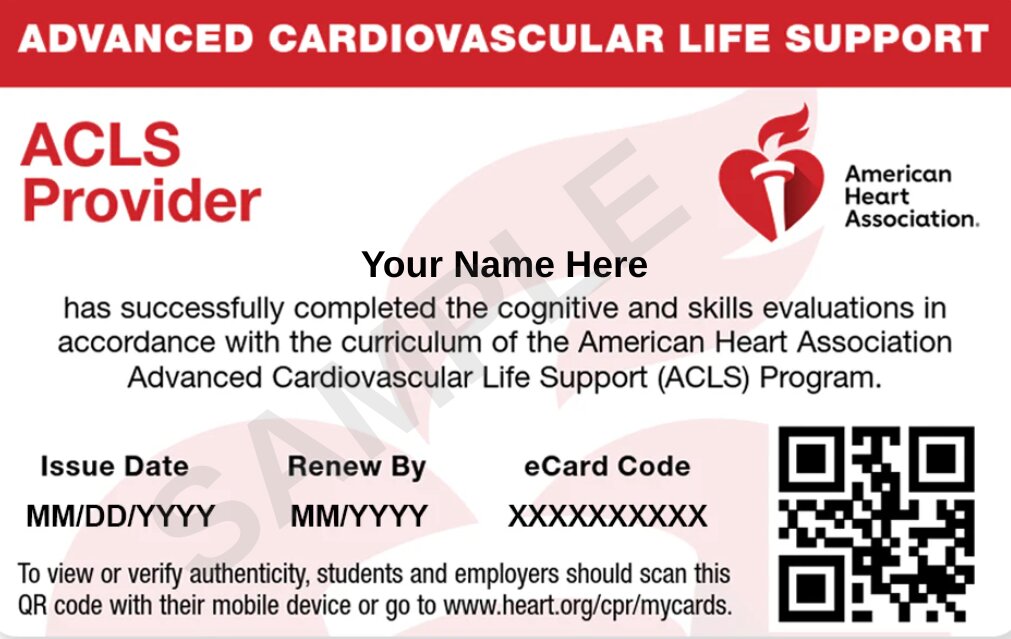
Advanced Cardiovascular Life Support (ACLS) certification is advanced training for healthcare professionals who respond to serious cardiovascular emergencies in adult patients.
The AHA ACLS course emphasizes preventing cardiac arrest, high-quality CPR, integration of BLS into advanced resuscitation, high-performance teams, and clinical scenarios involving adult patients.
This advanced life-saving skill is commonly required for healthcare professionals who may respond to or manage adult cardiovascular emergencies, depending on their role and employer requirements.
What Is PALS Certification?
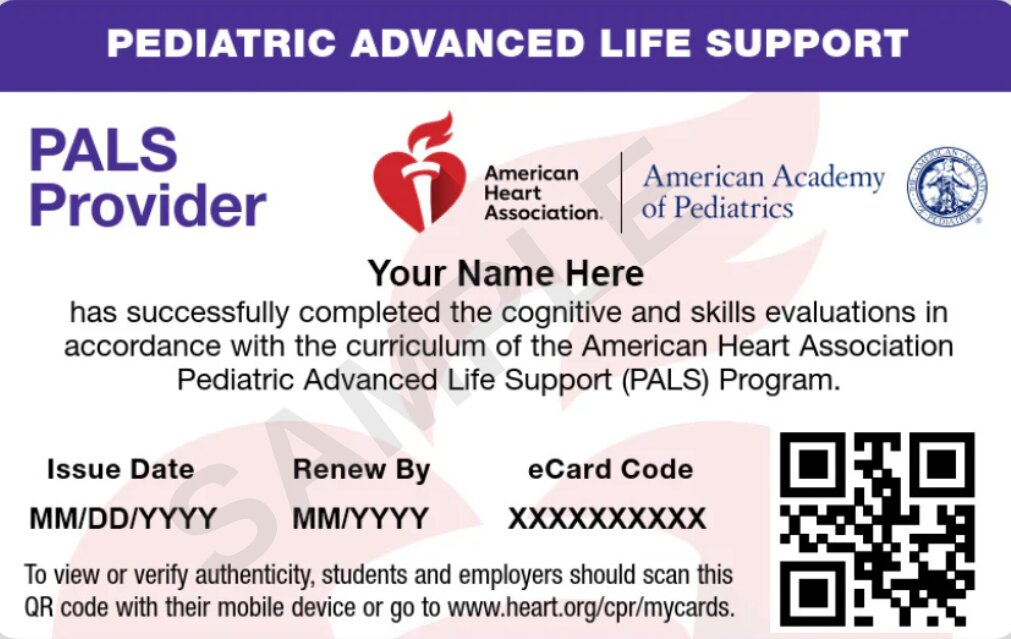
Pediatric Advanced Life Support (PALS) certification focuses on the recognition and treatment of serious emergencies involving infants and children.
The AHA PALS training uses a systematic approach to pediatric assessment and treatment. Course content includes recognition of respiratory distress and failure, shock, arrhythmias, cardiac arrest, and care after resuscitation.
This pediatric life-supporting credential is relevant to healthcare professionals who care for or respond to critically ill or injured pediatric patients.
BLS vs ACLS vs PALS: Key Differences
BLS, ACLS, and PALS share a foundation in resuscitation, but they differ in patient population, clinical focus, equipment, medications, assessment, and the level of emergency care covered.
| Difference | BLS | ACLS | PALS |
| Patient population | Adults, children, and infants | Adults | Infants and children |
| Core focus | Immediate life support, CPR, AED use, and relief of choking | Advanced management of adult cardiac and cardiovascular emergencies | Advanced assessment and management of serious pediatric emergencies |
| CPR | High-quality CPR for adults, children, and infants | High-quality CPR within advanced adult resuscitation | High-quality CPR within advanced pediatric resuscitation |
| Airway and equipment | Basic airway equipment, bag-valve-mask ventilation, and AED use | Advanced airway management, supraglottic airways, endotracheal tubes, and ECG monitoring | Pediatric airway equipment, ventilation support, and monitoring appropriate for children |
| Defibrillation | AED use and early defibrillation | Defibrillation and electrical therapy during adult resuscitation | Defibrillation and electrical therapy during pediatric resuscitation |
| Medications and drugs | Does not focus on administering emergency medications | Includes medications used in adult cardiovascular resuscitation, such as epinephrine and amiodarone | Includes medications and weight-based dosing used in pediatric resuscitation |
| Assessment | Recognition of life-threatening emergencies requiring immediate life support | Systematic assessment of adult cardiovascular emergencies | Systematic assessment of pediatric emergencies |
| Cardiac emergencies | Recognition and immediate response to cardiac arrest | Cardiac arrest, arrhythmias, and other adult cardiovascular emergencies | Pediatric cardiac arrest, arrhythmias, and circulatory emergencies |
| Prerequisites | Requirements depend on the specific BLS course and learner | Current BLS knowledge and skills are expected for ACLS training | BLS knowledge and skills plus familiarity with pediatric assessment are expected |
| Clinical setting | Hospitals, clinics, emergency response, and other healthcare settings | Emergency departments, intensive care, critical care, and other adult acute care settings | Pediatric emergency, intensive care, critical care, and other pediatric care settings |
BLS, ACLS, and PALS Requirements in New York
New York does not have one universal requirement for BLS, ACLS, or PALS that applies to all healthcare professionals. The certification you need can depend on your occupation, employer, clinical setting, school, and job responsibilities.
Healthcare professionals may need BLS, ACLS, PALS, or a combination of these certifications, depending on their role. Hospitals, healthcare facilities, schools, and employers may also set their own certification requirements.
Before enrolling in a course, check with your employer, school, or healthcare facility to confirm which certification you need and whether any prerequisites apply.
Which CPR Certification Do You Need in New York?
The appropriate certification depends on your job, patient population, clinical responsibilities, and workplace requirements.
Who Needs BLS
BLS course is appropriate for healthcare professionals who need provider-level CPR and basic resuscitation skills.
Examples can include:
- Nurses and nursing students
- Physicians and medical students
- Dentists and dental professionals
- Emergency medical personnel
- Other healthcare professionals whose roles require provider-level CPR
Who Needs ACLS
ACLS may be relevant when a healthcare professional is expected to respond to adult cardiovascular emergencies.
Examples can include:
- Emergency departments
- Intensive care units
- Cardiac care settings
- Acute care environments
- Other clinical areas where adult cardiovascular emergencies are managed
Who Needs PALS
PALS may be relevant for healthcare professionals who care for infants and children during serious emergencies.
Examples can include:
- Pediatric hospitals
- Pediatric emergency departments
- Pediatric intensive care units
- Emergency medical services
- Other settings where critically ill children may be treated
Can You Hold More Than One Certification?
Yes. You can hold multiple certifications at the same time, including BLS, ACLS, and PALS.
However, having multiple certifications does not mean one course replaces another. Each certification may be required separately for a particular position or workplace.
When Do You Need More Than One Certification?
The combination depends on the patients you care for and the level of emergency care expected in your role.
- BLS and ACLS: Adult-focused certifications that cover basic life support and advanced cardiovascular care.
- BLS and PALS: Pediatric-focused roles where you provide basic life support and may also respond to serious emergencies involving infants and children.
- BLS, ACLS, and PALS: Roles that involve caring for both adults and children and may require advanced emergency response for either patient population.
Do You Need BLS Certification Before ACLS or PALS in New York?
Yes. You generally need a current BLS certification before taking ACLS or PALS in New York. A valid BLS Provider certification is commonly required as a prerequisite for these advanced life support courses.
ACLS and PALS build on BLS knowledge and skills, so you should have a current BLS certification before enrolling in either course.
Check with your training provider before registering to confirm the specific BLS prerequisite for your ACLS or PALS course.
Can You Take BLS, ACLS, or PALS Online?
Yes. BLS, ACLS, and PALS can be taken through online and blended learning options, but they cannot be completed entirely online when a hands-on skills session is required.
The American Heart Association offers HeartCode blended learning for BLS, ACLS, and PALS. These courses combine online coursework with a hands-on skills session. Completing the online portion alone does not satisfy the full course requirements or result in the course completion eCard.
For healthcare professionals in New York, certification requirements can vary by employer, workplace, and professional role. Check the requirements for your position before enrolling in an online or blended course.
How Long Are BLS, ACLS, and PALS Certifications Valid?
Your AHA BLS, ACLS, and PALS provider course completion cards are generally valid for two years.
Before your card expires, check your employer or training program requirements to determine whether you need a renewal course or another form of updated training.
Which CPR Certification Is Right for You in Newyork?
The right certification depends on the patients you care for, the emergencies you may respond to, and the requirements of your employer or school.
Choose BLS If
You provide direct patient care and need foundational resuscitation skills, including high-quality CPR, AED use, ventilation, and basic airway management. BLS is commonly required as the core CPR credential for medical roles.
Choose ACLS If
You are responsible for responding to adult cardiac arrest, arrhythmias, or other serious cardiovascular emergencies. ACLS course is intended for healthcare professionals who need advanced skills beyond basic CPR.
Choose PALS If
You care for infants or children who may develop respiratory failure, shock, arrhythmias, or cardiac arrest. PALS provides advanced pediatric assessment and resuscitation skills for these emergencies.
Earn AHA BLS, ACLS, and PALS Certification in New York
BLS, ACLS, and PALS serve different purposes based on your professional role, patient population, and level of emergency care. Understanding these differences can help you identify which certification aligns with your responsibilities and whether you may need more than one course.
New York CPR Classes offers AHA BLS, ACLS, and PALS courses for healthcare professionals and other qualified responders. Our courses provide the required training and hands-on skills evaluation, with flexible scheduling options to fit your availability. After successful completion, you receive an AHA Provider eCard recognized throughout the United States.
If you are still unsure which certification you need, contact us, and our team can help you choose the appropriate course for your role and requirements.
Frequently Asked Questions
Is ACLS the Same as CPR?
No. CPR is a basic resuscitation skill used to respond to cardiac arrest, while ACLS is an advanced life support course that teaches healthcare professionals how to assess and manage adult cardiovascular emergencies.
Is BLS the Same as CPR?
No. CPR is one component of BLS. BLS also includes AED use, ventilation, treatment of airway obstruction, and other basic life support skills used during life-threatening emergencies.
Is ACLS the Same as BLS?
No. BLS focuses on foundational life support skills such as high-quality CPR, AED use, and ventilation. ACLS builds on these skills and covers the advanced assessment and management of adult cardiovascular emergencies.
Does BLS certification include pediatric CPR?
Yes. AHA BLS training covers CPR and resuscitation skills for adults, children, and infants. The course focuses on foundational life support rather than advanced pediatric emergency management.
Does PALS replace BLS certification?
No. PALS focuses on advanced assessment and management of serious emergencies involving infants and children. It does not replace a separate BLS certification when a current BLS credential is required.
Is the BLS Exam Harder Than the ACLS Exam?
No. The BLS exam generally focuses on foundational life support skills, while the ACLS exam covers more advanced adult cardiovascular emergencies, clinical assessment, and resuscitation. The difficulty also depends on your prior knowledge, training, and familiarity with the course material.