Cardiac emergencies can happen anywhere, from homes and schools to workplaces and public spaces. When someone experiences sudden cardiac arrest, immediate CPR can significantly improve the chances of survival while waiting for emergency medical services to arrive. That’s why CPR certification has become an essential skill for healthcare professionals and a valuable qualification for many people throughout New York.
Whether you’re a nurse renewing your credentials, a teacher meeting workplace requirements, or a parent who wants to be prepared for emergencies, understanding your certification options can help you choose the right training program.
This guide explains everything you need to know about CPR certification in New York, including who needs certification, available course options, training formats, certification validity, and how to select the right provider.
What Is CPR Certification?
CPR (Cardiopulmonary Resuscitation) certification verifies that an individual has successfully completed training in responding to cardiac and breathing emergencies. The training teaches participants how to recognize life-threatening situations, perform high-quality chest compressions, provide rescue breaths when appropriate, use an Automated External Defibrillator (AED), and respond to choking emergencies.
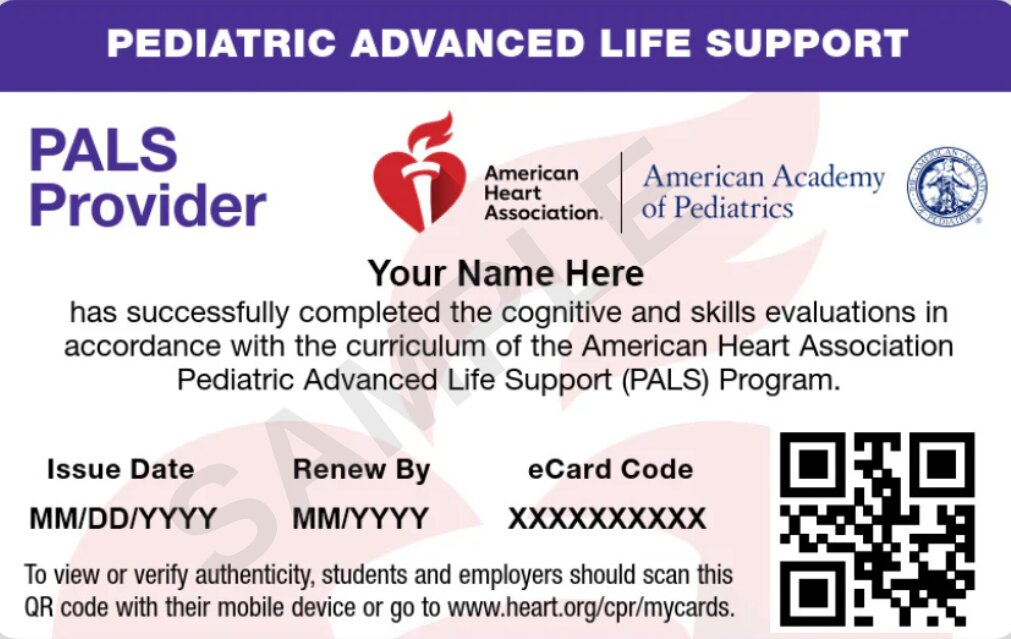
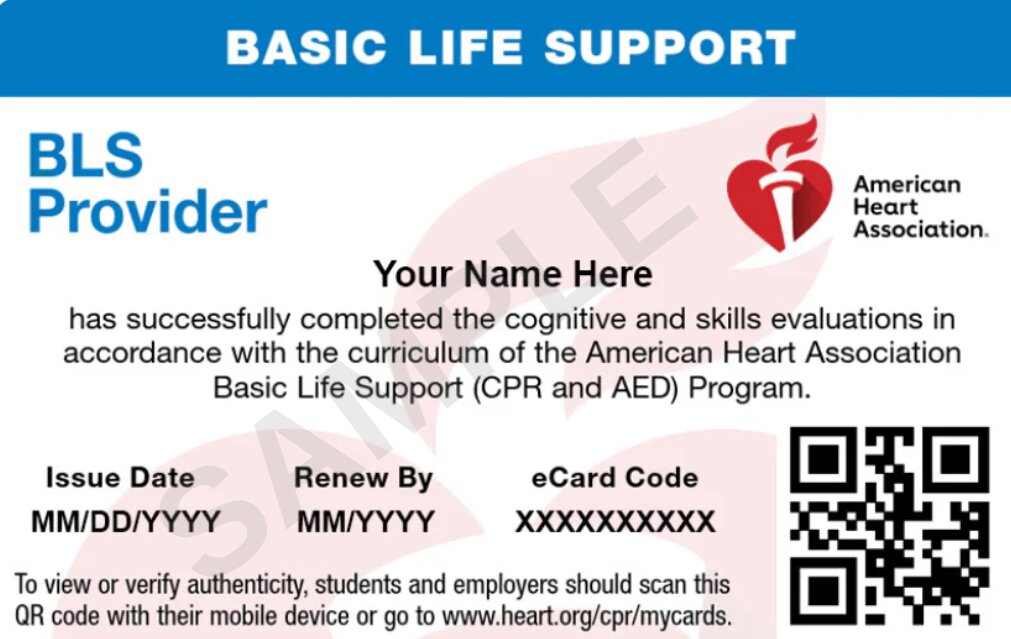
Unlike simply watching instructional videos, certification requires completing an approved training program and demonstrating the required skills. Successful participants receive an official certification card that can be used for employment, licensing, or professional credentialing.
Many employers in New York require certification from the American Heart Association (AHA), particularly in healthcare settings where nationally recognized training standards are expected.
Why CPR Certification Matters
Every minute without CPR after sudden cardiac arrest decreases a person’s chance of survival. Immediate action from a trained bystander can make a meaningful difference before emergency responders arrive.
CPR certification provides more than just a credential. It helps participants:
- Recognize cardiac emergencies quickly
- Respond with confidence during emergencies
- Perform effective chest compressions
- Use an AED correctly
- Help adults, children, and infants
- Respond to choking emergencies
- Meet workplace or licensing requirements
For healthcare professionals, maintaining current certification is often a mandatory job requirement. For others, it offers valuable knowledge that could help save the life of a family member, coworker, or member of the community.
Who Needs CPR Certification in New York?
CPR certification is recommended for nearly everyone, but it is especially important for professionals whose work involves caring for others or responding to emergencies.
Common professions that require or strongly recommend CPR certification include:
Healthcare Professionals
Healthcare workers often need Basic Life Support (BLS) certification or advanced courses depending on their responsibilities.
This includes:
- Registered nurses (RNs)
- Licensed practical nurses (LPNs)
- Physicians
- Medical assistants
- EMTs
- Paramedics
- Respiratory therapists
- Dental professionals
- Pharmacists
- Physical therapists
Education Professionals
Many educational institutions require staff members to maintain CPR certification.
These may include:
- Teachers
- School nurses
- Coaches
- Childcare providers
- Daycare staff
- Camp counselors
Workplace Employees
Many employers include CPR certification as part of workplace safety initiatives, particularly in industries such as:
- Construction
- Manufacturing
- Hospitality
- Fitness centers
- Corporate offices
- Security services
Parents and Caregivers
Parents, grandparents, babysitters, and caregivers often choose CPR training to prepare for emergencies involving infants and children.
Types of CPR Certification Courses
Different certifications are designed for different audiences. Choosing the appropriate course depends on your profession and responsibilities.
CPR and AED Certification
This course teaches participants how to respond to cardiac arrest and choking emergencies while using an Automated External Defibrillator (AED).
It is commonly recommended for:
- Teachers
- Workplace employees
- Fitness professionals
- Community members
Heartsaver First Aid CPR AED
This course combines CPR, AED use, and basic first aid.
Participants learn how to respond to:
- Cardiac emergencies
- Choking
- Bleeding
- Burns
- Fractures
- Medical emergencies
- Environmental emergencies
This course is suitable for workplaces, schools, childcare providers, and individuals who want comprehensive emergency response training.
Basic Life Support (BLS)
BLS certification is intended primarily for healthcare professionals.
Training includes:
- High-quality CPR for adults, children, and infants
- Team-based resuscitation
- AED operation
- Bag-mask ventilation
- Relief of choking
- Effective communication during emergencies
Advanced Cardiovascular Life Support (ACLS)
ACLS is designed for healthcare providers involved in managing cardiovascular emergencies.
Topics include:
- Cardiac arrest algorithms
- Airway management
- Rhythm recognition
- Pharmacology
- Team dynamics
- Post-cardiac arrest care
Pediatric Advanced Life Support (PALS)
PALS focuses on recognizing and managing emergencies involving infants and children.
Healthcare professionals working in pediatric settings frequently require this certification.
Training Options Available in New York
Modern CPR education offers flexible learning options that fit different schedules and learning preferences.
Traditional Instructor-Led Classes
Participants attend an in-person class where an instructor teaches both the knowledge and hands-on skills.
This option works well for learners who prefer face-to-face instruction and real-time feedback.
Self-Guided Learning
Many busy professionals prefer Self-Guided Learning because it offers greater flexibility.
Participants typically:
- Complete the online educational portion at their own pace.
- Schedule a brief in-person skills assessment.
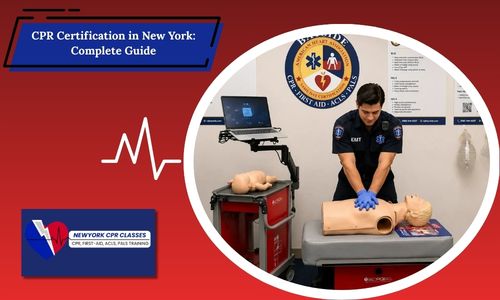
- Demonstrate CPR skills using a Voice-Assisted Manikin at a CPR Verification Station.
- Receive certification after successfully completing the required components.
This format reduces classroom time while maintaining hands-on skill verification.
What Is a CPR Verification Station?
A CPR Verification Station is a technology-assisted skills assessment system that allows participants to demonstrate CPR performance using a Voice-Assisted Manikin.
The system provides immediate feedback on key performance measures such as:
- Compression depth
- Compression rate
- Chest recoil
- Hand placement
- Ventilation quality
Because participants receive real-time guidance, they can practice and refine their technique before completing the skills assessment.
This approach is especially convenient for healthcare professionals with demanding schedules who want a more flexible certification experience.
What Happens During CPR Certification Training?
Although course content varies depending on the certification level, most programs include both classroom knowledge and practical skills.
Participants generally learn how to:
- Assess scene safety
- Recognize cardiac arrest
- Activate emergency medical services
- Perform adult CPR
- Perform child CPR
- Perform infant CPR
- Use an AED safely
- Provide rescue breaths
- Help choking victims
- Work effectively as part of a response team
Healthcare-level courses also include advanced airway techniques, team-based scenarios, and clinical decision-making.
How Long Does CPR Certification Take?
Course length depends on the certification selected and the training format.
Generally:
- CPR/AED courses are shorter.
- Heartsaver First Aid CPR AED courses require additional time because they include first aid.
- BLS, ACLS, and PALS courses involve more comprehensive training.
Self-Guided Learning often provides greater scheduling flexibility because participants complete the educational portion online before attending a shorter in-person skills session.
How Long Is CPR Certification Valid?
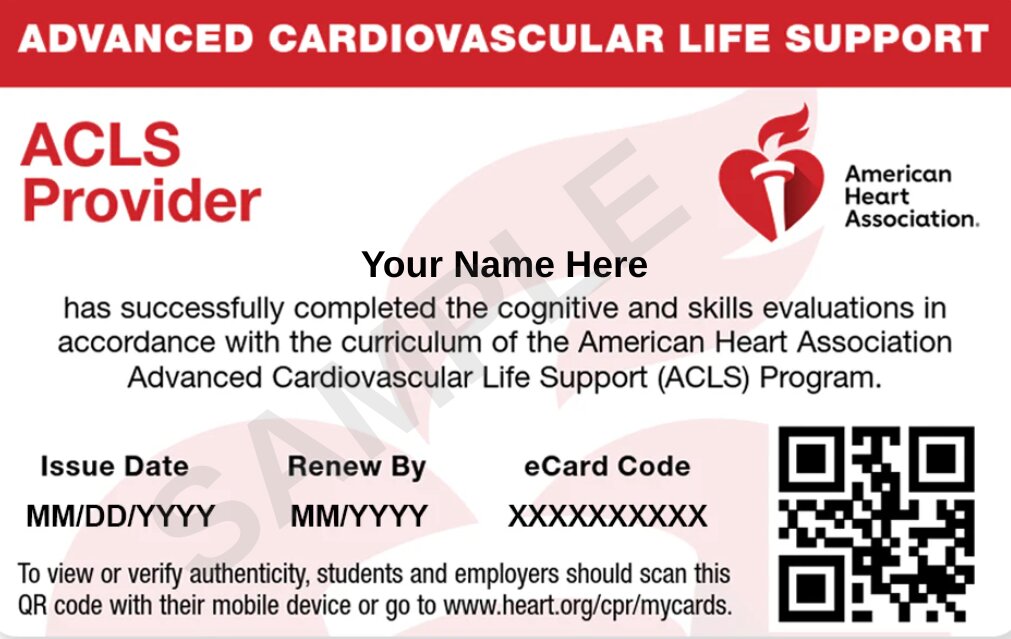
Most American Heart Association CPR certifications remain valid for two years.
To keep credentials current, participants should complete a renewal course before the certification expires.
Healthcare employers often require employees to maintain uninterrupted certification, making timely renewal an important part of professional compliance.
How to Choose the Right CPR Certification Provider
Not all training providers offer the same experience. Before registering, consider several important factors.
National Recognition
Choose a provider that offers American Heart Association certification accepted by employers throughout New York and across the United States.
Flexible Scheduling
Evening, weekend, and Self-Guided Learning options make it easier to complete certification around work or school commitments.
Modern Equipment
Training with Voice-Assisted Manikins provides objective feedback that helps participants develop proper CPR technique.
Convenient Locations
Selecting a provider with multiple training locations can reduce travel time and make scheduling more convenient.
How to Prepare for Your CPR Certification Course
A little preparation can help you get the most from your training.
Before class:
- Wear comfortable clothing suitable for kneeling.
- Arrive on time.
- Complete any required online learning before the skills session.
- Bring any requested identification or confirmation documents.
- Review course instructions provided after registration.
Being prepared allows you to focus on learning and completing the required skills assessment.
Build Confidence Through CPR Certification
Learning CPR is one of the most valuable skills anyone can develop. Whether you work in healthcare, education, childcare, or another profession, CPR certification prepares you to respond effectively during life-threatening emergencies.
New York offers flexible training options, including traditional instructor-led classes and Self-Guided Learning with CPR Verification Stations and Voice-Assisted Manikins. These options make it easier than ever to complete nationally recognized certification while fitting training into a busy schedule.
Choosing the right course not only helps meet professional requirements but also equips you with practical skills that can make a meaningful difference when every moment counts.
Frequently Asked Questions
Is CPR certification required in New York?
Requirements vary by profession. Healthcare workers, childcare providers, educators, and many workplace employees may need CPR certification based on employer or licensing requirements.
Can I complete CPR certification online?
Many providers offer Self-Guided Learning that combines online coursework with an in-person skills assessment using a CPR Verification Station and Voice-Assisted Manikin. This allows participants to complete the educational portion at their own pace while still demonstrating hands-on competency.
Which CPR course should healthcare professionals take?
Most healthcare professionals require Basic Life Support (BLS). Depending on their specialty, some may also need ACLS or PALS certification.
Do I receive a certification after completing the course?
Participants who successfully complete all required coursework and skills assessments receive an official American Heart Association course completion card.
When should I renew my certification?
Renew your certification before it expires to maintain continuous compliance with employer or licensing requirements.